

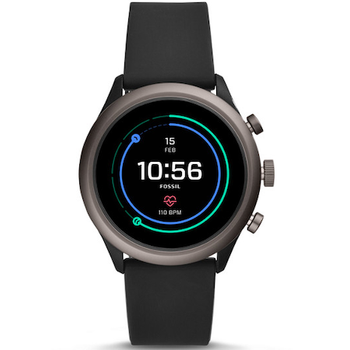
Big tech companies are continuing to invest in wearable technology.
Big tech companies are continuing to invest in wearable technology.
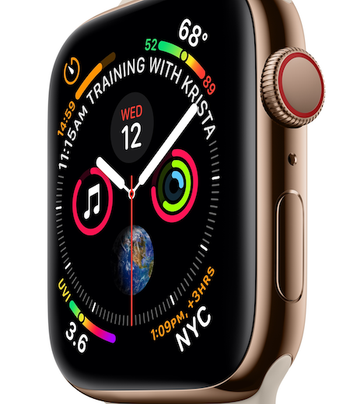
The Apple Watch ECG reader has drawn criticism, but this study aims to improve patient outcomes and stroke prevention.

The digital medication will give oncologists new insights into their patients’ treatment progress.

This is just the latest study to suggest patients are satisfied with telehealth services.
The cards will feature a unique and randomly assigned number to help protect against identity theft and fraud.

How far has health IT come in meeting Meaningful Use standards?

The mHealth platform offers solutions for employers and health systems.

In 2016, Ciitizen’s founder sold a company to Apple that helped boost the tech giant’s EHR efforts. Now, he’s working with Verily.
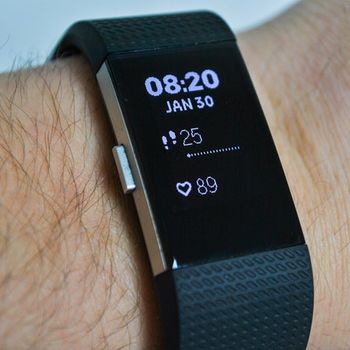
The All of Us program aims to improve the ability to prevent and treat disease based on differences in lifestyle, environment and genetics.

The Interoperability Standards Advisory (ISA) added seven new interoperability needs to the document.

Clinicians and patients reported scheduling timely follow-up virtual visits was easier than office visits.

RAPID’s artificial intelligence (AI) software aids clinicians in diagnosing and treating stroke victims more quickly.

The platform will enable researchers around the world to analyze and share immunological datasets.

It’s long past time for healthcare providers to follow the pioneers who are using data, AI and other high-tech tools to fight the opioid crisis.

The value of HIE volume was just 48 percent in hospitals participating in full-year APMs.
Why interoperability, not money, is healthcare IT’s greatest roadblock.

But what can health systems do to expand patient access to health data?

Systems with standardized EHRs had higher rates of advanced health IT adoption.

The partnership will give clients increased efficiency and diversity in the drug discovery process.

Competition between health systems will only continue to increase.
Health tech is changing rapidly, but barriers to innovation remain. Can this process help health systems?

Kick off Data Book’s third season with an update on AI and how Amazon, Apple and Google are tackling medicine in 2019.

The artificial intelligence (AI) was trained to distinguish cervical conditions that would and would not require treatment.

There was a 29 percent access rate of electronic health information closer to patient transition from the hospital to the facility.
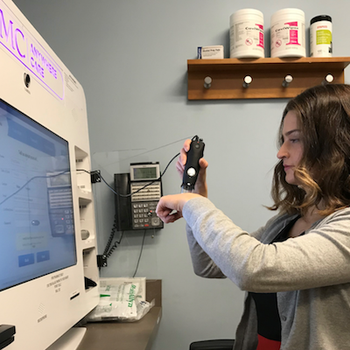
A new telemedicine program is underway in Pittsburgh, and it could prove more comprehensive than at-home visits.
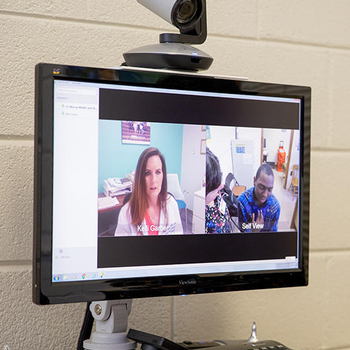
An entrepreneur explains why 2019 might be the year of telehealth.

Patients, providers and payers are not reaping the benefits of electronic health records.

How Cynerio plans to protect medical devices and fight IoMT fraud.
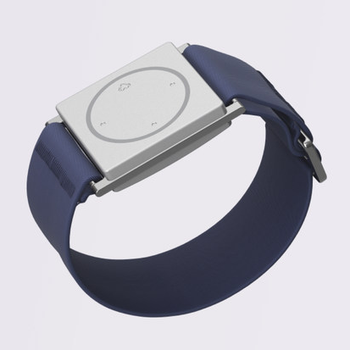
Embrace had an accuracy rate of 98 percent during clinical testing.

There is a 64 percent increase in annual advertising expenditures after a hospital data breach.