He spoke with us about plans to invest nearly $600 million in the Minnesota system, upgrading facilities and the alignment between the organizations.
Risant has signed an agreement to acquire INTEGRIS Health in Oklahoma. Kaiser Permanente has said Risant is looking to add more community hospitals.
Kaiser Permanente has said that its subsidiary, Risant Health, would look to add more community hospitals as part of its plan to accelerate value-based care.
Now, Risant Health has made a deal to acquire its third hospital system. Risant has reached an agreement to acquire INTEGRIS Health in Oklahoma. The systems announced a definitive agreement this week. Regulators must still approve the transaction.
Oklahoma’s largest nonprofit health system, INTEGRIS operates 10 acute care hospitals and 10 specialty hospitals, along with a host of clinics and outpatient sites. The system employs 13,000 people.
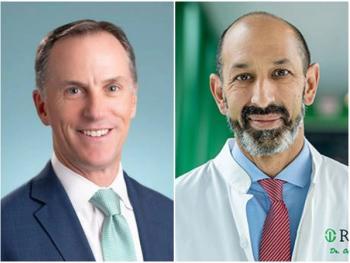
Greg A. Adams, chair and chief executive officer for Kaiser Permanente, said the agreement reflects Risant’s focus on value-based care.
“We’re excited to have INTEGRIS Health become part of Risant Health and join us in changing health care in this country,” Adams said in a news release.
Adams said INTEGRIS’ own work in value-based care meshes with Risant’s mission.
“INTEGRIS Health’s expertise in complex clinical services, combined with its experiences in value-based care, offers an opportunity to continue improving health and affordability for the people of Oklahoma,” Adams said.
The systems didn’t announce a timetable for when they expect or hope the deal to be completed.
Adams has repeatedly said that
Timothy Pehrson, chief executive officer for INTEGRIS Health, says joining Risant Health offers significant advantages, with upgrades in technology.
“Risant Health is committed to invest in Oklahoma, in our hospitals and clinics, in growth in technology like Epic and cybersecurity, and in clinical enablers that will help our physicians and nurses serve our communities better,” Pehrson said in
When the deal is finalized, Pehrson also stressed that the INTEGRIS brand will continue and the system remains committed to it communities.
“We are still INTEGRIS Health,” Pehrson said in the video. “The name on every building stays. Our mission, partnering with people to live healthier lives, stays. Our headquarters in Oklahoma City stays. Our board stays. Our leadership team stays. I'm staying. Jobs aren't leaving Oklahoma. Our medical staff stays, and the decisions about care for Oklahomans will be kept here in Oklahoma. Every dollar anyone has ever given to Integris Health stays here at Integris Health.”
Oklahoma lags most states in health metrics, and Pehrson says joining Risant offers the potential of a rebound. Oklahoma ranked 49th in
“Risant Health gives us more capabilities to deliver on our strategies and reach our boldest aspirations of moving Oklahoma to 35th by 2035 in overall health,” Pehrson says.
Kaiser Permanente announced the creation of Risant Health in 2023. A year later, Risant announced
In late 2024,
Adams has said Risant plans to add more community hospitals and health systems in the coming years.
At the 2024 HLTH conference,
“We’re looking for organizations that are committed to value-based care … we’re looking for organizations that are leaders in their community,” Adams said.
But Adams has also said Risant is being selective in its targets. In 2024, Adams said Risant isn’t going to pursue organizations in financial distress and in need of a turnaround.
“We’re looking for organizations that on their own can be financially sound,” Adams said.
INTEGRIS has a bond rating of “A-” and a stable outlook, according to an
At the 2025 HLTH conference, Dr. Jaewon Ryu, then-CEO of Risant, said there would be other hospital acquisitions in the near future.
“Two years from now, I think we'll continue to add other health systems that meet our criteria of what we're looking for,” Ryu said last year. “Mission-aligned, community-oriented, places that do value-based care and want to do more of it.”
Dale Maxwell, former president and chief executive officer of Presbyterian Healthcare Services, is serving as Risant’s interim CEO. Risant is undertaking a national search for a new CEO.
Risant’s plan to acquire INTEGRIS also provides more evidence that health systems are increasingly pursuing mergers and acquisitions.
Within the past month, two other significant hospital deals have been announced.
Through the first three quarters of 2026,