The health system says it’s building a hospital and expanding virtual care to meet rising needs in Charlotte and beyond.
MaineHealth and Tufts University School of Medicine are working to train more doctors to practice in the state.
Maine has justifiably been nicknamed “Vacationland,” with its parks, mountains, forests and seaside communities luring visitors to the state for outdoor adventures or relaxing getaways.
But like many other states, Maine is facing a glaring shortage of physicians. The state also has
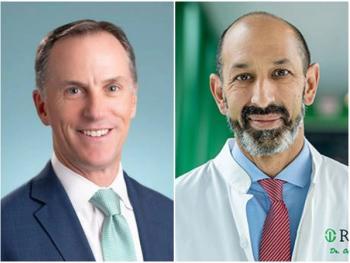
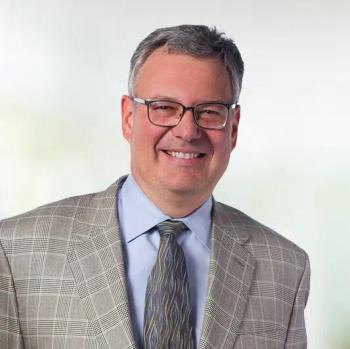
“We have greater demand for healthcare services, and so we're going to see an explosion in demand for healthcare services in the state of Maine,” says Dr. Andrew Mueller, chief executive officer of
MaineHealth has been partnering with the Tufts University School of Medicine to help train more doctors to work in Maine, with the hopes that they’ll end up practicing in the state. MaineHealth and Tufts have been collaborating on the “Maine Track” program for nearly two decades, with some encouraging results.
“We're finding that nearly 60% of students who complete the Maine Track program and do their residency in Maine, ultimately stay and practice medicine in Maine,” Mueller says. “It's been hugely impactful to us in terms of educating that next generation of caregivers.”
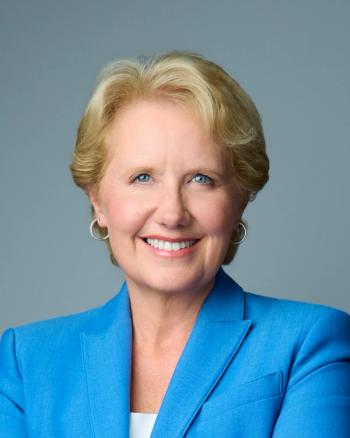
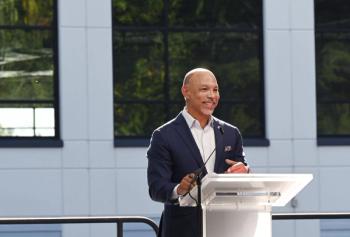
Dr. Helen Boucher, dean and professor at Tufts University School of Medicine, says the program’s success stems from the strong working relationship with MaineHealth and the investment of faculty and physicians working with residents.
“I think that architecture has been as important as anything in making this the success that it is as we are approaching 20 years,” Boucher says. “We're very proud that so many of our graduates are back practicing in Maine, and we know that if students are trained in an area, they're much more likely to practice there.”
The leaders of MaineHealth and Tufts spoke with Chief Healthcare Executive® in a joint conversation about the program.
The Maine Track program typically works with about 40 medical students. Those students start their medical education at Tufts in Boston for the first year, but most of their training is taking place in Maine.
“It's a very effective and cost-effective way to educate future physicians within the state of Maine, without necessarily having to build all of the infrastructure required to support a medical school,” Mueller says. “And so in many ways, by utilizing the infrastructure that Tufts has built, it really provides an excellent way to make sure that those students are getting the important education they need.”
Boucher says she hopes to expand the number of students in the program.
“We're hoping to continue to grow this so that we can address the really dire physician shortage that exists in Maine and really all over our country, but specifically in Maine,” Boucher says.
Tufts and MaineHealth have been refining the Maine Track program to be potentially more enticing to students.
Boucher points to a longitudinal clerkship program that gives some students the opportunity to do all of their clinical rotations in one community. So instead of a six-week run in surgery and other areas, they follow a group of patients in the community. A student in the program will follow a pregnant woman until she delivers the baby.
“They're moving around, caring for people in the community and becoming a part of that healthcare community,” Boucher says.
She says the clerkship program has been very effective.
“We found that the students trained in that longitudinal environment do just as well, if not better, than the students trained in the more traditional environment,” Boucher says.
Maine is a very rural state, and the clerkship also helps students understand the needs of rural communities and, hopefully, begins stirring interest about sticking around to practice medicine.
Mueller says the program “gives those students the opportunity to experience care delivery in a rural community, and in many cases, whets their appetite for that, which is incredibly important to us as we think about the workforce needs of the future of our state.”
Part of the goal of the Maine Track program isn’t just to train doctors.
“We're also training our students to be leaders,” Boucher says. ‘And so many of these doctors who practice in rural communities are leaders in their community, and so we're giving our students skills and leadership so that they can lead a team of healthcare practitioners to care for a population in rural Maine.”
“In the Maine track and in Tufts School of Medicine, we're really focusing on teaching our students some of the skills needed to lead,” she says.
Some of those skills include developing the best ways to use AI, she says.
Boucher also points to developing communication skills and better teamwork.
“We know today that medicine is a team sport,” Boucher says. “It's not just that the doctor walks in the room and opines on what's going to happen. We have to be able to work in teams in order to take the best care of people, and we're really focused on that as part of our work as educators.”
Mueller says the Maine Track program is gaining more interest, and he says that’s at least in part due to the quality of experience and the engagement from physicians and faculty.
“They get tremendous attention from all of our attending physicians, they get tremendous attention from our roughly 400 residents and fellows, and they get a very personalized education,” Mueller says.
“From my perspective, having watched medical education, having both experienced it as a physician and watched it at other locations, it's very tailored to their interests, and it's a very intimate experience,” he adds.
Mueller also praised the quality of the instruction at Tufts and the engagement from the medical school.
“You've got the incredible academic rigor and integrity of Tufts University, and what they've brought to the table in terms of the quality of the knowledge building during the first couple of years of medical school, and just the real engagement with the faculty here,” Mueller says. “I think the faculty here in Maine feel incredibly supported by the medical school and really feel integrated into the broader medical school.”
Boucher says partnerships such as the collaboration between MaineHealth and Tufts “require a lot of care and feeding.”
“We're very lucky to have leaders who are heavily invested in the success of these programs and faculty who are heavily invested,” Boucher says.
“We work hard at it,” she says. “We meet regularly. People from Boston go to Maine. People from Maine come to Boston. There's lots of back and forth, lots of interchange, and we continue to adapt.”
When asked if there are lessons to take from their partnership and if the model could be replicated elsewhere, Boucher says it’s possible, but stresses it requires a considered and tailored strategy.
“These things aren't one size fits all. If you look across the country at different medical schools, there are lots of different models, and something that works in Maine might not work in Idaho. So I think I would be very careful not to be overly optimistic or promising things about what can be done in other places because I think every situation is unique,” Boucher says.
“I think the reason the Maine Track has been successful is because the architects of it really sought to answer the needs of the people of Maine at that time,” she explains. “The likelihood of success is much higher if there's a true meeting of the minds and a solution of a problem in the place where the care is being delivered that this educational experience would meet.”