



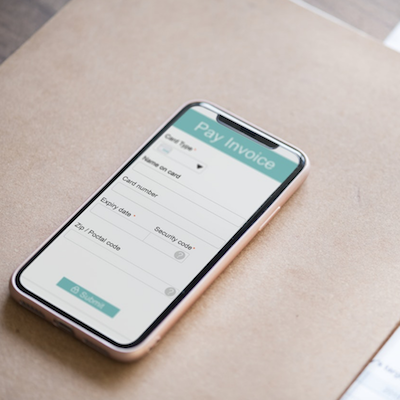





























CT-152 could leverage evidence-based cognitive therapy to help a wide range of patients suffering from major depressive disorder.

CT-152 could leverage evidence-based cognitive therapy to help a wide range of patients suffering from major depressive disorder.

Can Propeller Health’s asthma monitoring tech be applied more broadly?

We’ve produced 26 episodes of our health-tech podcast. Here are the ones you love the most.

Customers with diabetes will gain access to a digital management platform, but the insurer says the arrangement isn’t about data aggregation.
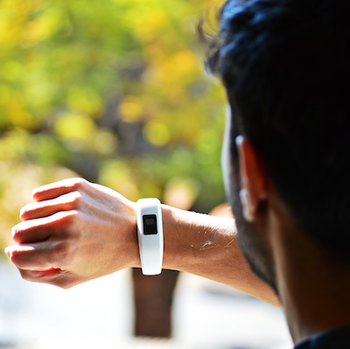
Despite evidence to the contrary, wearables like Fitbit not only boost physical activity but also spur tailored fitness plans.

Social media can help decrease depressive symptoms and increase mental-health awareness, but further testing could bring about greater uses.
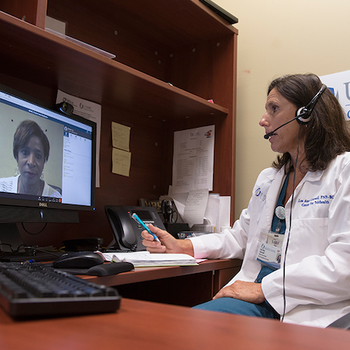
From virtual reality to mobile videoconferencing, 2018 was a big year for virtual care.

What is digital health to you? A social science? Patient-centric? Our 4 KOL's have some differing views.

We haven’t reached the promised land of open access to data, but we are on our way to a more personalized future of care.

From addressing depression to fertility, mHealth apps continued their dominance in 2018.

We’re teaming up with the Sharp Index to collect letters to healthcare providers. Here’s the latest.

Data Book explores the evolution of the hospital and hosts a KOL panel on data, wearables and the hospital of tomorrow.

Groundbreaking advances and eye-opening findings in healthcare and tech could reshape the industry and the world.
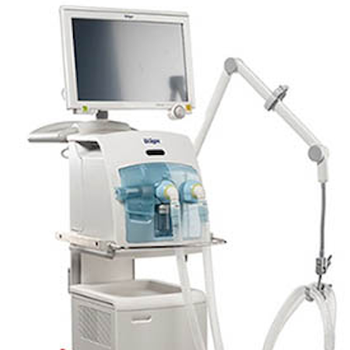
The FDA says the updates address customer feedback to enhance the performance of a mechanical ventilator.
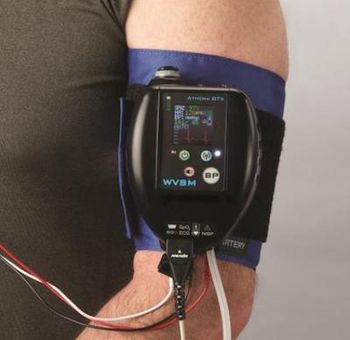
The U.S. Navy’s Office of Naval Research has developed a lightweight device to track patient vital signs in battlefields and other mass casualty situations.

Half of the patients no longer met the diagnostic criteria for PTSD after using the new digital therapeutic.

Here’s another promising finding for behavioral health in healthcare’s digital transformation.

A business case for system-level implementation of eConsult platforms across CHCs.
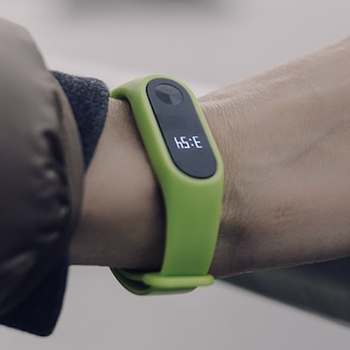
Fitbit claims the update will enhance user experience and deliver valuable insights to help users live healthier lifestyles.
Pear-004 may help fill treatment gaps for patients with schizophrenia.
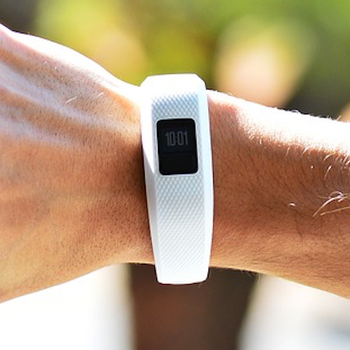
Patient-generated health data can be used to provide a clearer understanding of the benefits of wearable devices.
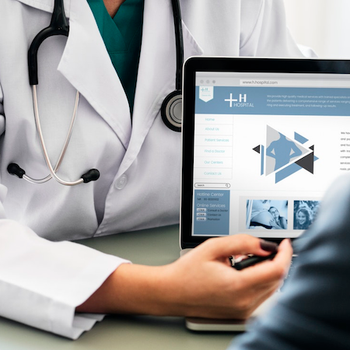
But the FDA suggests that patients learn about their digital health tools.
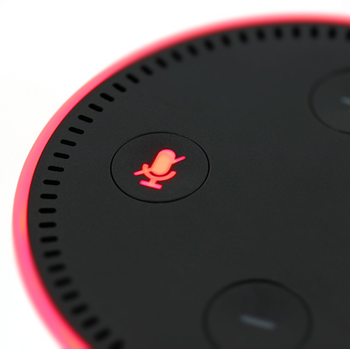
Digital voice assistant technology could help healthcare achieve increased compliance with treatment regimens.

Digital health can be useful for people in rural areas with limited access to in-person therapy.

When used with standard treatment, reSET-O increased retention for opioid disorder treatment, according to a study.