





























The rule goes into effect in December. Health and Human Services Secretary Xavier Becerra said the policy aids immigrants and is ‘in the interest of all Americans.’
The rule goes into effect in December. Health and Human Services Secretary Xavier Becerra said the policy aids immigrants and is ‘in the interest of all Americans.’

Millions of Americans suffer from visual impairments, and many are having trouble using telehealth services.

The two West Virginia organizations announced their merger plans several months ago. Charleston and Mon Health facilities will retain their identities.

CVS is aiming to acquire Signify, and its network of doctors caring for patients at home, in an $8 billion deal. Experts say it shows the home could be the future of healthcare.

The Austin-based company says it’s redesigning the engagement model for behavioral health. Iris is working with nearly 200 hospitals and health centers.

Researchers found Medicare beneficiaries who received treatment via telehealth were less likely to suffer an overdose, suggesting a greater need to expand services and treatment.

In other news, the BHSH System hires a chief people officer, Baptist Health in Arkansas fills a key role, and more leaders take new posts.

Many eligible Americans aren’t enrolled because the application process is too burdensome. A new proposal would make it easier for some to get access to healthcare.

The House overwhelmingly passed the bill, and lawmakers in both parties embrace the measure. But supporters say there are some challenges in the Senate.

Two House members have introduced legislation to continue two Medicare funding streams that provide $600 million to hospitals in rural areas. Unless Congress acts, the programs are slated to end in a month.

Mayo Clinic researchers say artificial intelligence can help patients have better outcomes and could potentially lower costs for health systems.

The Alabama-based company opened the doors of two new hospitals this month, and a third opens next month. And the firm has more on the way.

The Biden administration's new policy says the findings of publicly-supported studies must be released right away. Advocates say it will save lives and improve medical research, but publishers have concerns.

Many companies are seeing higher healthcare costs, partly because people deferred treatment. Ellen Kelsay, CEO of the Business Group on Health, outlined employers’ concerns in an interview with Chief Healthcare Executive.
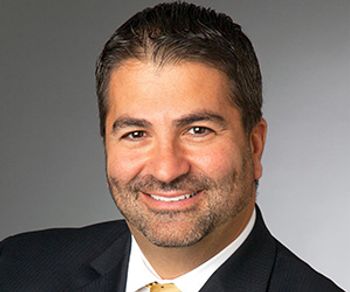
In the second part of a conversation with Chief Healthcare Executive, Cacchione says Jefferson is going to measure where disparities exist and work to improve the diversity of the staff.

Health system leaders need to get creative to retain younger nurses and veteran nurses. Hospital leaders around the country have bemoaned a shortage of nurses.

Researchers looked for anti-bullying policies covering faculty at 91 top-rated medical colleges. Four schools had policies, signaling ‘a culture tolerant of bullying,’ they found.

Less than half of nurses say they’re satisfied with being a nurse. Beth Ulrich, a longtime healthcare leader, talks about a recent study she led and how hospital leaders can do more to keep their nurses.

The chief medical adviser to President Biden, Fauci has helped lead the federal response to the COVID-19 pandemic. Health leaders say he helped save millions and reduced the stigma of feared diseases.

Healthcare leaders are worried about burnout among their teams. They can help by respecting time off the clock, getting workers to take vacation, and taking time off themselves.

Aging-in-place technology benefits seniors, giving them more independence, improved emotional well-being and overall cost savings. It also helps the healthcare system as a whole.
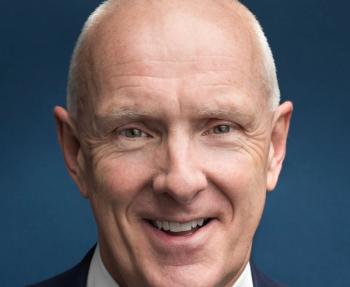
The system is undertaking a $100 million effort to improve health in Louisiana, which trails nearly all other states. In an interview with Chief Healthcare Executive, Thomas says the initiative is moving forward.

In an interview with Chief Healthcare Executive, Thomas says the deal offers the chance to expand more services to Mississippi and helps extend Ochsner’s reach. Rush is now known as Ochsner Rush Health.

The Centers for Disease Control will be reorganized, she says. Critics have said the agency’s guidance and leadership have been lacking.
The incoming president and CEO of Jefferson Health, Cacchione talked with Chief Healthcare Executive about creating a better work environment, the changing role of hospitals, and what he has learned from the COVID-19 pandemic.