



























More young people are having bariatric surgeries. The American Academy of Pediatrics has called for more access to the procedure for kids and teens struggling with obesity.

More young people are having bariatric surgeries. The American Academy of Pediatrics has called for more access to the procedure for kids and teens struggling with obesity.
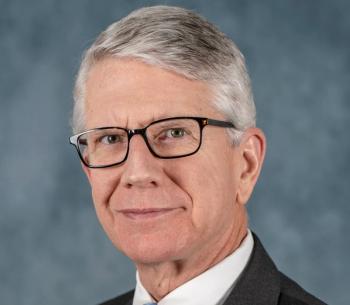
As he prepares to retire, Carter offers insights on staying focused on key goals, the changing role of healthcare leaders and what has helped him succeed.

The organizations behind the nationwide effort include the Institute for Healthcare Improvement, Race Forward, the American Hospital Association, and more.
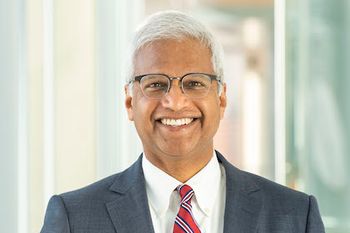
Rural health systems struggle to attract talent. Sunny Eappen, president and CEO of The University of Vermont Health Network, stresses the importance of building a diverse staff.
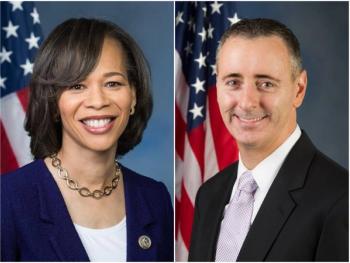
A bipartisan bill is designed to help children's hospitals treat more kids with behavioral health issues and train more workers in pediatrics.
The time is now for providers to try new technologies that in the past have been solved by adding more people to the problem. The dilemma now is that we don’t have more people.

Patients who underwent a thrombectomy fared better than those who had standard care, a recent study found. The findings offer new insights that could save lives, an Ascension researcher says.
Health systems can avoid conflict in choosing leaders. Rick Gundling of HFMA talks with Chief Healthcare Executive about searching for executives, nurturing talent and planning for the future.

LCMC Health agreed to buy three hospitals from HCA Healthcare, and Louisiana officials approved the deal. The Federal Trade Commission has moved to block it, outraging hospital groups.

The California system is forming a new health organization called Risant Health, and Geisinger will be the first member. Financial documents offer more details on the deal.

How one full year of postpartum care impacts health equity, outcomes, and care costs.
MaineHealth names the system's first chief medical and transformation officer, Baptist Health in Florida names a quality officer, and other leaders take new roles.

The system hopes the facilities will be open within 18-24 months. WellSpan says if these prove to be successful, it could look to add more small hospitals.

The organization, formed by some of America’s top health systems, is providing more insights on the social determinants of health. Charlotte Baker of Truveta talks about how data can close disparities.

The specimen supply chain needs to go beyond reacting to orders and accurately anticipate demand. The industry is just starting to do this, and artificial intelligence is the key.
CommonSpirit Health announces a new chief strategy officer, Texas Children's Hospital is seeking a new president for the first time in decades, and other leaders take new roles.

With the federal emergency designation disappearing, health systems will see changes in funding and an end to some policies that had given providers more flexibility.

Most hospitals fared well, but there was a wide range in performance and risk of complications. Brad Bowman, chief medical officer of Healthgrades, talks about the inaugural report card.

The DEA put the brakes on a plan to limit the remote prescription of some controlled substances. Telehealth advocates welcomed the reprieve.
Steven Heatherly of Baptist Health in Kentucky talks about the success of heart clinics and promising results from remote patient monitoring.

The co-founder of an online marketplace where patients can find doctors, Goldhill talks with Chief Healthcare Executive about his journey and how the industry needs to evolve.

Lawmakers and advocates are showing interest in reducing Medicare reimbursements for some services at hospital outpatient departments. Hospitals contend the cuts would reduce services for patients.

Kaiser Permanente is forming a new health organization called Risant Health, and Geisinger will be the first member. Healthcare experts see enormous promise and some open questions.

The California-based system plans to acquire Geisinger and form a new organization called Risant Health. Here’s a guide to understanding the plans.
Doctors and health systems will offer better care if they connect with patients and patients feel like their concerns are being heard.