





























David Feinberg, chairman of Oracle Health, talked about Oracle’s acquisition of Cerner, the need to fix electronic health records and transforming the industry.
David Feinberg, chairman of Oracle Health, talked about Oracle’s acquisition of Cerner, the need to fix electronic health records and transforming the industry.

Founders of health tech companies can find success, but they’ll need sound business plans. Investors are doing more homework before putting money into new companies.

While he said the virus isn’t the destructive force it was even a year ago, too many are dying from the virus. He also discussed long Covid and the federal government’s newest research agency.

The watchdog organization released its fall 2022 Hospital Safety Grades, and it’s the 10th year of the group’s report cards. Hospitals made great strides before the COVID-19 pandemic, but gains have been lost.

The head of the Pennsylvania healthcare system cites the ability to invest in programs to help patients live healthier lives. And he says those efforts are paying off.

The company announces a new collaboration with Epic to give providers more choices on the cloud, and new accelerators to help health organizations do more with their data.

Chiquita Brooks-LaSure, administrator of the Centers for Medicare and Medicaid Services, said technological advances don't do enough if disadvantaged patients can't benefit from them.
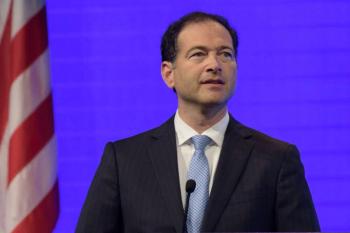
In a speech over the weekend, the head of the American Medical Association cited lies aimed at doctors about abortion, gender-affirming care, and threats against physicians.
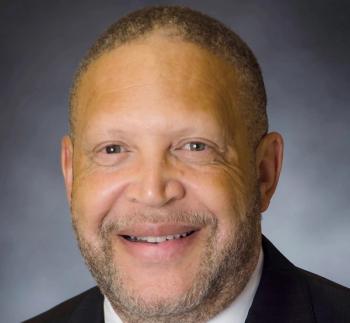
He talked about efforts to confront racism, the social factors affecting health, and he urged leaders to own the opportunity to make things better.

Even with difficult economic headwinds, HCA is moving forward with its agenda to transform care, and partnerships are a key ingredient, he says.

The fifth annual event is drawing thousands of healthcare leaders and innovators to Las Vegas.

The group has teamed with a human resources firm to assess its efforts.

Russ Thomas, CEO of Availity, and Mary Lantin, president and COO of Diameter, talked with Chief Healthcare Executive about the deal, and how the better use of data can reduce waste and improve patient care.

It’s another sign of the evolving healthcare market. Walgreens Boots Alliance CEO Roz Brewer called it ‘transformational for our U.S. Healthcare segment.’
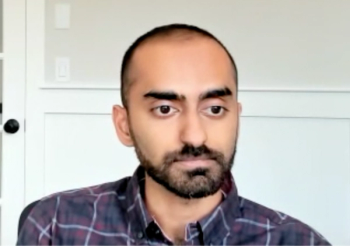
The chief medical officer of Notable spoke with us about the company, and why hospitals and healthcare companies are going to have to move some tasks away from people.

After lagging behind other industries for years, health organizations are turning more to technology. However, leaders can do more to help patients and employees.

Children’s hospitals are packed with patients, and many doctors have been pushed to their limits. Healthcare leaders must recognize and acknowledge the stress on physicians and ask them what they need.

There are practical ways to apply digital care solutions to improve health for all.

Most hospitals aren’t screening for fentanyl in emergency departments, a recent study found. Advocates are pushing for more testing.

Researchers found an automated, 30-day text messaging program engaged patients and lowered their odds of needing acute care services.

Researchers found racial disparities are evident in the treatment of patients for advanced heart failure. The gap could be due to racial bias, they said.

A coalition of New York health officials and hospitals is pushing to change screening tools that are hurting patients from minority groups.

Breast cancer screenings have yet to return to pre-pandemic levels, and providers are seeing some patients with more advanced cancers.

At a health conference, executives unveiled new solutions and sent a message that healthcare is the company’s focus.
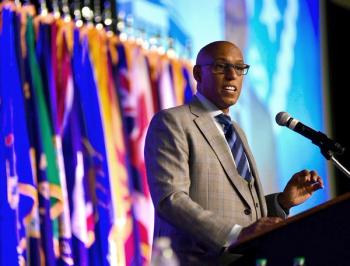
The new system has been plagued with problems and drawn the ire of lawmakers. The Department of Veterans Affairs says it’s working with Oracle Cerner to resolve the issues.