

























Dr. Marcus Schabacker of ECRI talks about the potential of chatbots to perpetuate bias and worsen disparities in the healthcare industry.
Dr. Marcus Schabacker of ECRI talks about the potential of chatbots to perpetuate bias and worsen disparities in the healthcare industry.
The medical adviser of Healthgrades talks with Chief Healthcare Executive about this year’s list of top hospitals, challenges for some Americans, and questions patients can ask.

A recent study suggests broader leadership and staff involvement will produce better strategies in meeting patients’ social needs that impact their health.

More students are pursuing careers as doctors, but there has been a drop in students from minority groups and those with lower incomes.
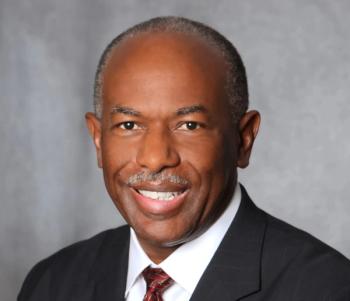
Dr. James Hildreth, president and CEO of Meharry Medical College, talks about confusing federal guidance and the need for doctors and healthcare leaders to restore trust.

There are persistent disparities in outcomes for Black women with breast cancer. Alpa Patel of the American Cancer Society talks about the need to do better.

The founder and CEO of Advancing Health Equity and best-selling author says the climate may be different, but the work must continue.

The HLTH conference kicks off this Sunday in Las Vegas, and it’ll spotlight important conversations during a turbulent time.
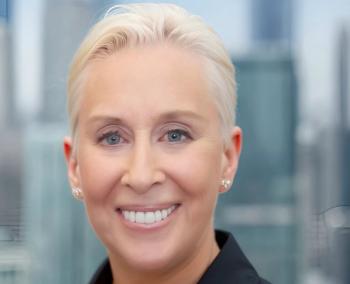
Big donations to advance women’s health have garnered national attention. Carolee Lee, CEO of Women’s Health Access Matters, is heartened to see more attention after many years of missed opportunities.
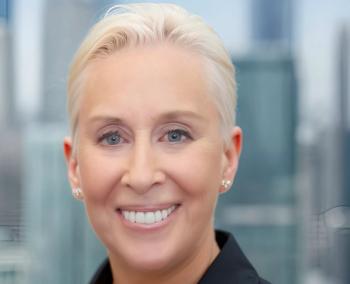
Women’s Health Access Matters is offering grants to support early-career scientists. Carolee Lee of WHAM talks about the awards and the need for more investments in women’s health.
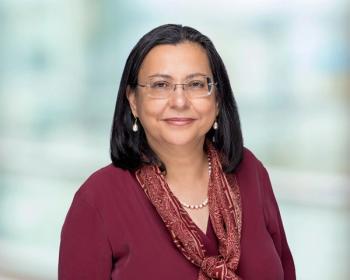
The organization says it is making a funding commitment to invest in studies of maternal health, menstrual health and other areas too often ignored.
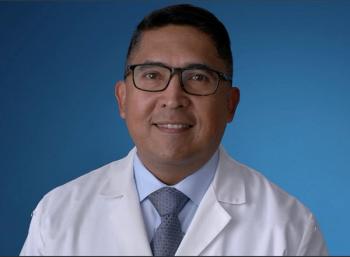
Pedro Sanchez, MD, head of pediatric medical genetics at Cedars-Sinai Guerin Children’s, was named Physician of the Year by the National Hispanic Medical Association. He talked with us about his journey.
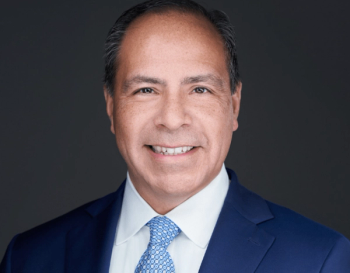
The Pennsylvania hospital system has been engaged in efforts to close disparities for years. Edward Jimenez talks about working to ensure all patients get the best care possible.

The Minnesota-based system earned the American Hospital Association’s Foster G. McGaw Prize. Inova, LifeBridge Health, and Rush were named as finalists.

The Lown Institute unveils its 2025 list of hospitals who are demonstrating excellence in equity, fairness, and value.

The Lown Institute again put the North Carolina hospital at the top spot in its annual ranking of providers. Jason Carter, the hospital’s president, says Duke has a commitment to access.

The Virginia Telemental Health Initiative partners with clinics to offer free telehealth services to patients. Leaders of the program talk about the effort, its expansion and keys to success.
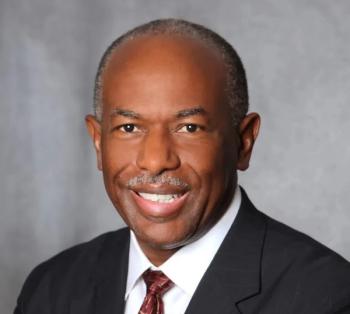
The National Institutes of Health has ended hundreds of grants to colleges and hospitals. For Meharry Medical College, a historically Black school, the reduction is devastating.

Doulas can improve the birthing experience for all, with their presence linked to positive outcomes, including reduced cesarean section rates and fewer preterm births.

While hospitals have focused more on social factors affecting health, less than 1 in 3 emergency departments ask patients about those challenges. Researchers call it a ‘missed opportunity.’

Less than half of America’s rural hospitals still have labor and delivery units, raising more concerns of growing maternity care deserts.

More than 50 labor and delivery units have been shuttered in the last decade, for a variety of reasons.
The technology gap in rural healthcare isn't just a technology problem –– it's a health equity issue.

Too many women die after giving birth, and more are dying weeks or months after delivery. Dr. Cynthia Chen-Joea of the American Academy of Family Physicians talks about the stubborn problem and what can be done.