

























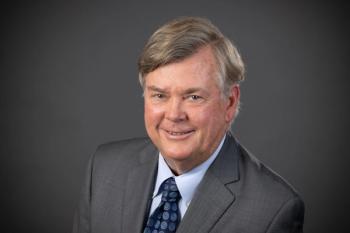
The organization offers resources in screening for the social drivers of health. Gary Price, the foundation's president, talked with Chief Healthcare Executive about assessing patients and getting them help.
The organization offers resources in screening for the social drivers of health. Gary Price, the foundation's president, talked with Chief Healthcare Executive about assessing patients and getting them help.

The Association of American Medical Colleges says improving diversity is critical to training doctors and improving public health.

C.K. Wang of COTA talks about the disparities in outcomes for the sexual and gender diverse population. He talks about the need for more information and improved training for clinicians.

How one full year of postpartum care impacts health equity, outcomes, and care costs.

Healthcare leaders applauded the choice of Monica Bertagnolli, who has been leading the National Cancer Institute. She recently disclosed her own diagnosis of breast cancer.

The organization, formed by some of America’s top health systems, is providing more insights on the social determinants of health. Charlotte Baker of Truveta talks about how data can close disparities.

The U.S. Preventive Services Task Force recommends women should start screenings at age 40. But some say the panel should have called for women to get mammograms every year.

Artificial intelligence dominated the health technology conference, but it wasn’t the only fascinating topic of discussion.

At the HIMSS Conference, healthcare leaders urged those developing digital solutions to make sure they aren’t just accessible to the affluent. And they stressed that health equity is everyone’s responsibility.
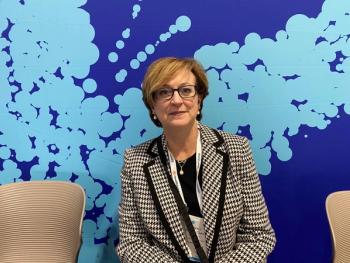
The West Virginia University Health System has added a host of small hospitals to its system. Kimberly Clarke of WVU Medicine says technology is the key to leveling the playing field.
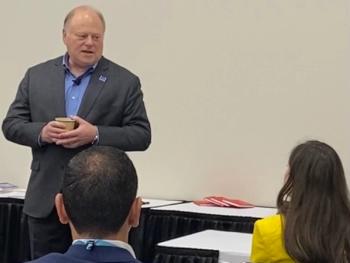
More leaders are pursuing concrete plans to close disparities, Wolf said, and offering more digital health options is a critical element in expanding access to underserved groups.
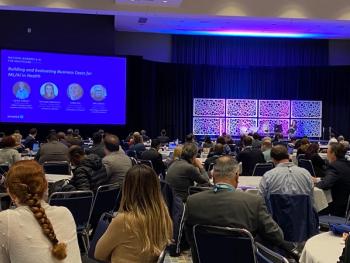
Healthcare leaders see great promise and significant challenges with the use of artificial intelligence. But expect AI to be used more and more.

In the latest episode, he talks about how artificial intelligence can change the practice of medicine, its promise and some thorny ethical questions.

More systems are stressing the importance of employing more members from minority groups. A group of leaders outlined some ways those efforts can have lasting effects.

CMS has proposed a 2.8% increase for Medicare’s inpatient rates. The American Hospital Association calls it insufficient in light of high inflation and a history of inadequate reimbursements.
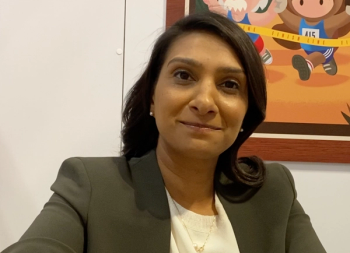
Even with longstanding problems, there’s more momentum to close gaps in outcomes. She talks with Chief Healthcare Executive about linking equity to business goals, getting started, and building on progress.

The four-day event drew thousands of healthcare leaders to Nashville. Here are some thoughts from conversations and panels in Music City.
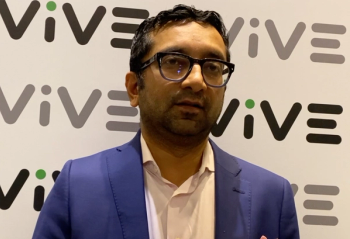
Hospital leaders must ensure it’s a goal throughout the entire organization, and there must be accountability, he tells Chief Healthcare Executive.

One of the nation's leading experts on home hospital programs talks about how they can help close health disparities.

The directors of home hospital programs say they offer new opportunities to improve patient care for all populations.
In our latest episode, Ryne Natzke of Sphere talks about how providers need to take different approaches to ensure they are getting paid without leaving patients with heavy debt.

Experts say they’re alarmed by the increase in maternal mortality during the COVID-19 pandemic. Black women are much more likely to die of pregnancy-related complications.
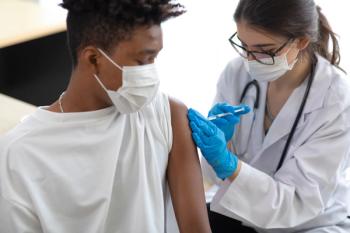
Some health systems have partnered with other community organizations and made a significant difference.

Nearly half of adults with medical debt have been contacted by collection agencies, and some patients with lower-incomes aren’t getting discounted rates, according to the Urban Institute.

ECRI, a nonprofit focused on protecting patients, releases its annual list of the most pressing concerns. Marcus Schabacker, CEO of ECRI, talked with us about the leading issues.