
























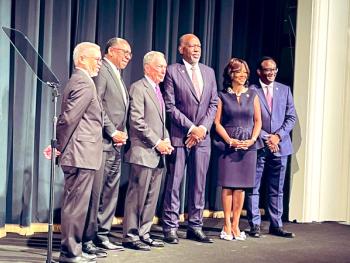
Michael Bloomberg announced the gift to four historically Black medical colleges. School leaders called it a transformative gift that could close disparities in care.
Michael Bloomberg announced the gift to four historically Black medical colleges. School leaders called it a transformative gift that could close disparities in care.

The outlet ranked areas in a host of categories, including mental health, outcomes and access to care.
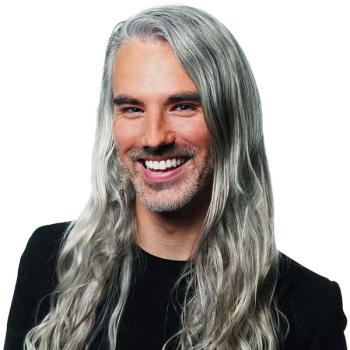
Health systems need to work with employees on showing sensitivity, and that should be a priority throughout the organization, says Dr. Dustin Nowaskie of OutCare Health.
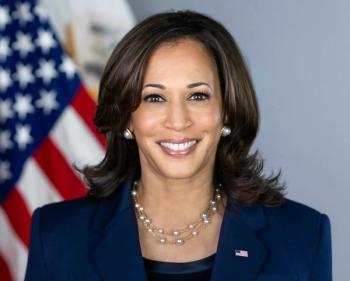
President Biden isn’t seeking re-election and has endorsed Harris. She’s been a forceful advocate on a number of the administration’s key health priorities.

Research from the American Cancer Society says many cancers, and fatalities, could be avoided by changing behavior.

CMS proposes benchmarks for hospitals in obstetric care. But some criticize measures that would require providers to meet certain standards or risk losing federal aid.
Many patients say they are dismissed or their concerns are minimized. Dr. Dustin Nowaskie of OutCare Health talks about the difficulties for LGBTQ+ patients in getting the care they need.
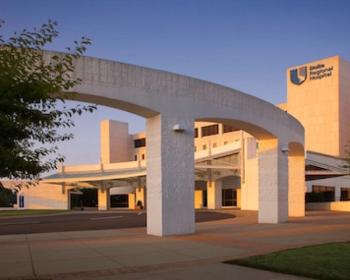
The think tank unveils its annual rankings, with a couple of noteworthy changes this year.
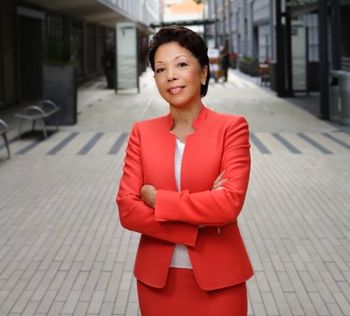
More leaders are focused on closing disparities. Caretha Coleman of the Black Directors Health Equity Agenda talks about the need for transparency and measuring progress.

Health systems need to do more to ensure those with physical or intellectual disabilities are getting the best care. Marcus Schabacker of ECRI talked about the issue.
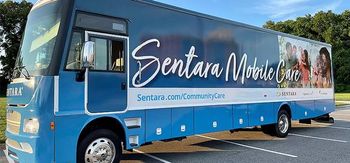
The health system has opened clinics and deployed mobile vans to offer better access for patients in Virginia. Sentara leaders talk about the effort and the results they are seeing.

More than 50 hospitals were recognized for strong outcomes among patients from underserved communities and ensuring equitable access.
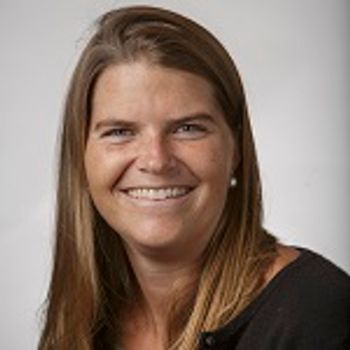
An expert panel explored ways to meet unmet needs and prepare for emergencies. Erin Trish of the USC Schaeffer Center talked with us about the effort.
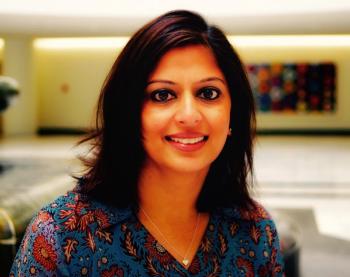
The organization is launching an effort to enroll 100,000 Black women in cancer research to develop better treatments. Alpa Patel of the cancer society talks about the effort.

Northwell is investing $150 million over the next decade to advance cancer research. Dr. Richard Barakat of Northwell talks about their goals and moving advances from the bench to bedside.

Artificial intelligence is being used to help clinicians do their work, study disease, and help treat patients. Steven Ullmann of the University of Miami talked with us about AI in medicine.

The U.S. is spending billions unnecessarily due to the failure to address mental health needs, a new report finds. Jay Bhatt of Deloitte talks about the report and expanding access to mental health services.
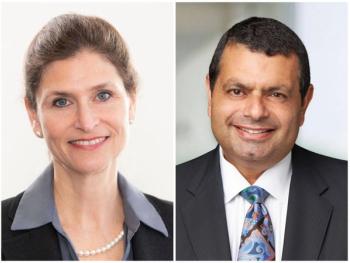
KPMG and Women’s Health Access Matters are teaming to improve women’s health, expand access to clinical trials and spur more investments.
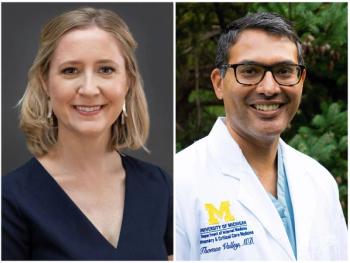
Researchers found that Hispanic patients on ventilators are five times more likely to be heavily sedated, but too many patients are being placed in sedation.

The U.S. Preventive Services Task Force has issued new recommendations for screenings to begin at age 40. Some hoped to see more guidance for women.

With the observance of Black Maternal Health Week, Kisha Davis of the American Academy of Family Physicians talks about the crisis and protecting mothers.
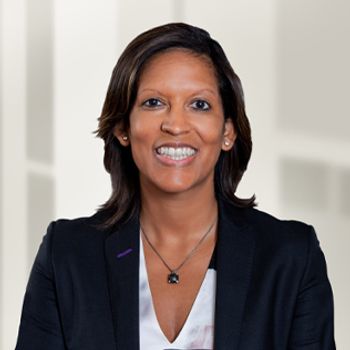
Research studies often fail to include enough participants from minority groups. Jenn Higgins of Guardant Health talks about getting a diverse mix for the ECLIPSE trial.
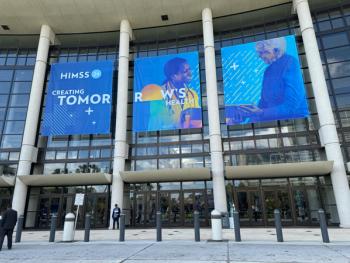
Healthcare leaders at the HIMSS conference spoke about AI’s remarkable potential, but some worry that it could worsen disparities in care.
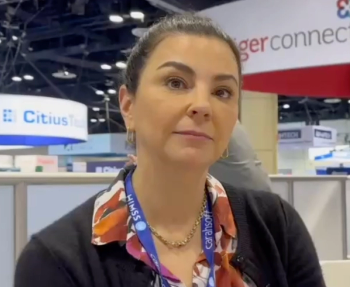
More than a dozen health systems are teaming with Microsoft in a new initiative to ensure the responsible use of AI in healthcare. Jennifer Stoll of Ochin talks about the effort.
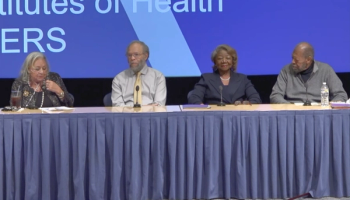
The National Institutes of Health hosted a panel discussion featuring trailblazers talking about their careers, the agency, and their hopes for the future.