




























The Department of Health & Human Services tells hospitals they must respect the rights of patients and visitors. The agency cited troubling examples of improper treatment.
The Department of Health & Human Services tells hospitals they must respect the rights of patients and visitors. The agency cited troubling examples of improper treatment.

The Montreal hospital has adopted a new platform to help researchers learn more about outcomes in certain patient populations.

The American Cancer Society’s new annual report shows a significant gap in outcomes among white and Black patients. The report notes disparities in diagnosis and treatment.

David Levine of Mass General Brigham talks about the key findings, and why he hopes to see more health systems delivering acute care in the home.

In new data from the American Cancer Society, colorectal cancer has become the leading killer of young men, while breast cancer is the leading cause of death in young women.

Early detection is key to saving lives and narrowing the prostate cancer health disparity gap.

More hospitals are examining ways to improve care for underserved communities. Over the past year, these leaders shared perspectives on moving toward equity in patient care.

Oregon passes a law setting minimum staffing levels for nursing, the end of the public health emergency, and other stories gained wide attention.

Large health systems and payers are committing to use AI responsibly. A host of healthcare technology leaders examine issues to watch in the future.

A new AMA survey finds enthusiasm for using artificial intelligence to reduce administrative burdens. As a tool for patient care, physicians express enthusiasm and some worries.

The healthcare community must engage in candid, difficult discussions to ensure all people receive quality care.

Lawrence Moss, CEO of Nemours Children's Health, says hospitals need to understand the areas where certain groups of patients are having worse outcomes.

Harlan Levine of City of Hope talks about the need to improve outcomes and access for patients in underserved communities.

Everyone in a hospital should recognize the vital part they play in caring for patients, says Jack Lynch, CEO of Main Line Health. It should be a source of pride and motivation.

On National Rural Healthcare Day, former CMS leader Donald Berwick talked with Dartmouth Health CEO Joanne Conroy about improving health in small towns.

Morbidity and mortality for mothers and infants continues to be far too high. Elizabeth Cherot, March of Dimes CEO, talks about the new report and what can be done to improve outcomes.

The underrepresentation of diverse backgrounds, particularly among Hispanic and Black populations, has led to a skewed understanding of the efficacy of medical treatments.

Researchers found large language models provided answers reflecting ‘racist tropes’ or inaccurate information. They stress caution in using AI tools for research and for medical decisions.
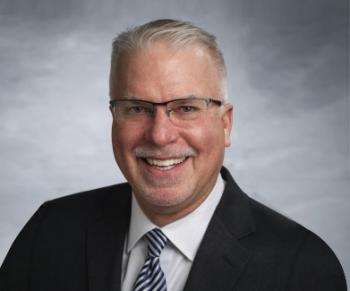
Gary Stuck talks with Chief Healthcare Executive about the merger of Atrium Health and Advocate Aurora Health, value-based care and working to improve health equity.

Leaders of the health system and technology company talk about training workers, breaking the cycle of poverty and creating healthier communities.

The system recently launched the new Population Health Services Organization. CommonSpirit’s Thomas McGinn talks about the effort.

The Centers for Medicare & Medicaid Services’ latest proposed rule regarding Medicare reimbursement for dialysis has missed an opportunity to support the kidney community.

Female employees spend $266 more annually than men, and that excludes pregnancy-related costs, a report by Deloitte says.
Main Line Health CEO Jack Lynch says it’s impossible to talk about better outcomes without focusing on closing disparities in underserved groups.

The health system recently captured the American Hospital Association’s Quest for Quality prize. Main Line has earned high marks for its focus on behavioral health and health equity.