
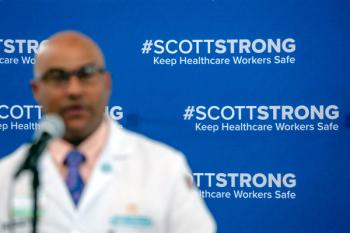
The Rhode Island health system is aiming to make a difference with its campaign, "ScottStrong: Keep Healthcare Workers Safe."
The Rhode Island health system is aiming to make a difference with its campaign, "ScottStrong: Keep Healthcare Workers Safe."

In the coming weeks and months, Chief Healthcare Executive plans to shed light on efforts to reduce violence in health systems. An ongoing series of stories will look at ideas and solutions.

The number is already 60% higher than in 2022, federal officials say. Most of the breaches came from cyberattacks.
In an interview with Chief Healthcare Executive, he discusses the momentum for home-based acute care and what health systems should do to succeed with it.

The ‘Impact Wellbeing' initiative, developed with the Dr. Lorna Breen Heroes’ Foundation, is designed to give health systems tools to help workers.
Gary Stuck, chief medical officer of Advocate Health, talks about the importance of working together in hospitals and health systems.

Among other steps, the Department of Health and Human Services will develop a safety program to address unsafe healthcare practices involving artificial intelligence.

A national task force has lowered the recommended age to begin screenings, but doctors say some opportunities to help more women are being missed.

More people are looking to get procedures done outside the hospital, according to a report from Strata and Syntellis Performance Solutions.

Franciscan Missionaries of Our Lady Health System had been in talks to buy the Singing River Health System, but both sides have ended the negotiations.

It’s important to consider career goals and what truly brings satisfaction, says Sonia Millsom, CEO of Oxeon. She says women should go for leadership roles, even if they aren’t sure they are ready.

Employees say they have more days of poor mental health, and the percentage of workers who say they’ve been harassed has doubled, a CDC report says.

Many Americans are skipping treatment and have medical debts of thousands of dollars, a Commonwealth Fund survey finds. Even some with insurance are struggling to pay bills.
Sonia Millsom, the CEO of Oxeon, discusses trends in executive searches, some missteps companies are making when they recruit leaders, and getting diversity in the C-suite.
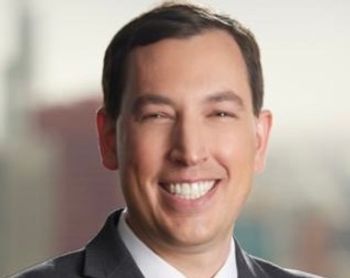
In a speech at the National Press Club, Jesse Ehrenfeld said the problem stands to get worse in the coming years unless policymakers take action.

Due to a lack of beds at nursing homes and other post-acute facilities, hospitals are keeping patients longer than necessary. The delays add to financial woes and prevent other patients from getting the care they need.

Researchers found large language models provided answers reflecting ‘racist tropes’ or inaccurate information. They stress caution in using AI tools for research and for medical decisions.

Most hospitals say they have had to reduce capacity due to a lack of staff, a new Kaufman Hall report finds. Shortages figure to be a long-term issue.
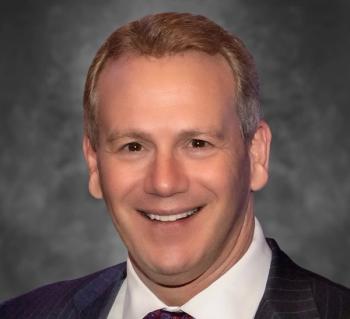
Michael Charlton says he’s looking to improve access and the patient experience. He also wants to play a part in the revival of Atlantic City.

Hospitals have grappled with shortages with regularity, and a survey indicates that they are taking a toll on patient care.
The Westchester Medical Center Health Network temporarily diverted ambulances over the weekend. Some stroke patients are still being sent to other facilities.
Gary Stuck talks with Chief Healthcare Executive about the merger of Atrium Health and Advocate Aurora Health, value-based care and working to improve health equity.

In the latest episode, she talks about using technology to improve care transitions, trends in post-acute care, and the changing desires of patients.

The Westchester Medical Center Health Network says two hospitals and a nursing home are affected. The system announced plans to take down IT systems and temporarily divert some patients.

In an interview with Chief Healthcare Executive®, he talks about why there could be more deals, and why he thinks more health systems should be coming together.

Several healthcare executives shared their perspectives from the annual conference in Las Vegas.

Health systems face stiff competition for leadership roles, but incentive pay falls as hospitals continue to face challenges. Bruce Greenblatt of SullivanCotter talks about trends in leadership pay.

Several Ascension hospitals will be combining with Henry Ford in a joint venture. The combined organization would operate more than 500 sites of care.

Labor groups rejoiced when Gov. Gavin Newsom signed the measure into law. For hospitals, they avoid the prospect of cities moving to raise wages more quickly.

It’s a new threat but federal cybersecurity officials say they are concerned by the group’s apparent willingness to attack health organizations.