

A group of Democratic and Republican senators wants CMS to collect more data on prior authorization denials. Hospitals have said they’re seeing more denials from MA plans.
A group of Democratic and Republican senators wants CMS to collect more data on prior authorization denials. Hospitals have said they’re seeing more denials from MA plans.

The company’s chief executive and founder talks with Chief Healthcare Executive® about the coming year, and a new Zocdoc report on what patients want.

Health systems have objected to a provision for ‘site-neutral’ Medicare funding, which they say would hurt hospitals. They welcome language delaying cuts in Medicaid funding.

To cut costs, health systems may outsource, or even offshore, functions such as revenue cycle management and billing, Deloitte projects. Most hospital leaders expect continued workforce challenges.
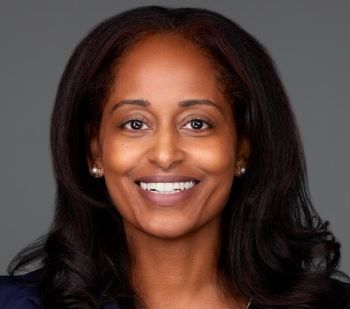
Emory University medical school announces a new dean, MaineHealth hires a regional president, and other leaders take new roles.

The attack disrupted operations at hospitals in several states. Ardent says it has restored its electronic health records.

The digital health company is collaborating with Qualtrics to put more patient feedback in health records. Adrienne Boissy of Qualtrics talks with us about the partnership and the push for patient-centered care.

The Children’s Hospital Association says most hospitals are worried about a lack of resources for patients with mental health needs. Many are also struggling with labor costs.

Nonprofit health systems will likely wrestle with higher labor costs and revenue difficulties. Suzie Desai of S&P talks about those headwinds and other challenges ahead for hospitals.

Michael Hamilton, founder and chief information security officer of Critical Insight, talks about trends in attacks and emerging threats in the coming year.

Many health systems will continue to wrestle with staffing challenges, volumes, and debt concerns. Kevin Holloran of Fitch Ratings tells us why he expects another difficult year.

The watchdog group unveiled its top hospitals and top ambulatory surgical centers for 2023.
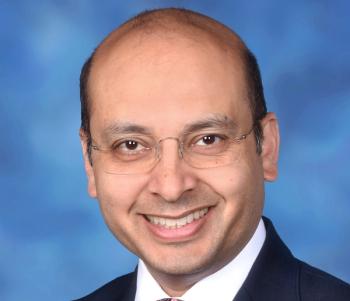
The northern Virginia system has high hopes for the donation. Shashank Desai of Inova talked with us about improving care and expanding prevention efforts.

They will co-own Highpoint Health System, which operates four hospitals and other healthcare sites.
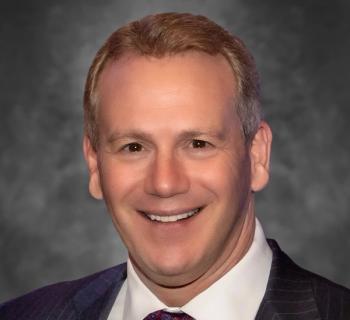
The CEO of AtlantiCare in New Jersey, Michael Charlton talks about the need to get around the organization and talk with staff.

Mortality rates rose significantly from 2018 to 2021, according to an NIH study.

The plans call for a 12-story tower for inpatient care. Elizabeth Wako, CEO of Swedish Health Services, says it will be a ‘state-of-the-art’ facility for the Pacific Northwest.

The Business Group on Health unveils its trends to watch in the coming year, and employers are worried about controlling costs and getting a good return on their investments.

Lawrence Moss, CEO of Nemours Children's Health, says hospitals need to understand the areas where certain groups of patients are having worse outcomes.

The multi-year project will feature new technology and the ability to adapt for future needs, officials say.
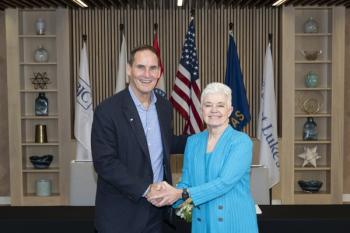
The two Missouri-based systems will form a combined system with 28 hospitals. The deal is expected to close by Jan. 1.

The nursing profession receives a penny for every dollar donated, the American Nurses Foundation says. Kate Judge, the executive director, says hospitals are missing opportunities to support nurses and improve patient care.
J.T. Lane of the Association of State and Territorial Health Officials talks about sharing information, working with the private sector and preparing for future threats.
Health systems are seeing gains, particularly in outpatient revenue, according to the latest National Hospital Flash Report.

Health systems say they are seeing more denials, and they worry the plans are going to skirt federal regulations in reviewing hospital admissions.

Ardent Health Services says patient care is continuing but some surgeries have been postponed. Some hospitals diverted ambulances to other facilities.

Harlan Levine of City of Hope talks about the need to improve outcomes and access for patients in underserved communities.

Healthcare workers will walk to get what they want, and it’s not just about money. Hospitals must focus on building good relationships with their workers.
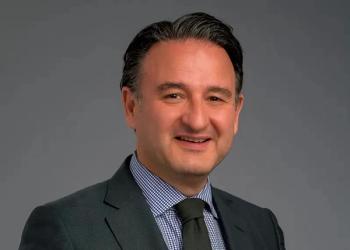
It’s easy to fall into the trap of being busy but playing it safe. Jochen Reiser, president of the University of Texas Medical Branch, urges leaders to be bold.

Many health system executives are increasingly concerned about the rise of antimicrobial resistance, and fear it could raise the risk of another pandemic.