

Federal regulators want to stop John Muir Health’s planned purchase of the San Ramon Regional Medical Center from Tenet Healthcare Corporation.
Federal regulators want to stop John Muir Health’s planned purchase of the San Ramon Regional Medical Center from Tenet Healthcare Corporation.
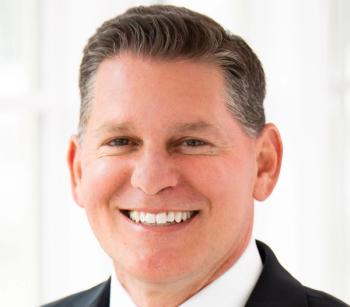
In an agreement announced Friday, Novant would acquire three South Carolina facilities from the for-profit hospital system.

Gov. Kathy Hochul introduced the proposal this week, and pledged $500 million for health systems to upgrade their technology.

On National Rural Healthcare Day, former CMS leader Donald Berwick talked with Dartmouth Health CEO Joanne Conroy about improving health in small towns.

Morbidity and mortality for mothers and infants continues to be far too high. Elizabeth Cherot, March of Dimes CEO, talks about the new report and what can be done to improve outcomes.
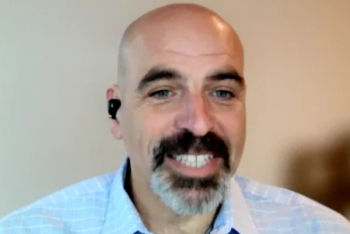
Rami Karjian, CEO of Medically Home, talks about the importance of finding the right team, because business models can change. He also stresses focusing on the ‘why.’
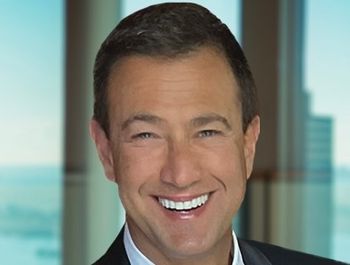
The co-CEO talks with Chief Healthcare Executive about telehealth usage by hospitals and insurers and the company’s new federal contract.

Siva Namasivayam, CEO of Cohere Health, talks about using AI to help improve the process and reduce clashes between healthcare providers and insurers.
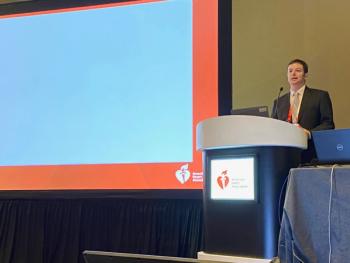
Healthcare leaders stressed the importance of taking a more proactive approach to improving care before patients end up in the hospital for a lengthy and costly stay.
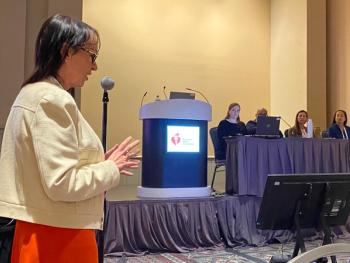
Medical researchers have largely gone to white men to participate in studies. Healthcare leaders outline ways to cast a wider net, which will lead to better research and treatments for patients.

Analysts say the recovery remains slow. Health systems are seeing higher costs due to battles with payers, and more leaders are worried about meeting debt obligations.

The investor’s service projects a 'stable' outlook for hospitals in the next year, but says high costs will remain 'a trouble spot.'

More hospitals are treating kids and teens with behavioral health issues. Lawrence Moss, CEO of Nemours Children's Health, says the problem must be taken seriously.

A month after tens of thousands of workers went on strike, the union members voted in favor of a four-year pact which includes provisions to boost staffing.

In an interview with Chief Healthcare Executive, Lawrence Moss discusses helping kids get and stay healthy, investing in the right areas, and strengthening children’s hospitals.

Mass General Brigham has been operating one of the nation’s largest home hospital programs. Best Buy has been teaming with more health systems.
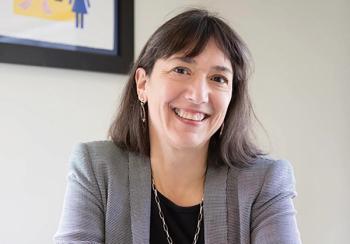
Health and research groups backed her, but Republicans have been critical of the agency. And Bernie Sanders questioned if she’d take on drug companies.
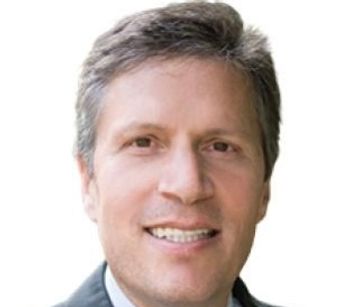
Harlan Levine of City of Hope talks about efforts to improve health equity and produce better outcomes for underserved communities.

Researchers with CMS found less than 1% of patients getting acute care at home suffered an unexpected death.

The American Nurses Association and union groups are backing measures in Congress, which have stalled in the past. Lawmakers have debated similar measures at the state level.

Leah Binder, the group’s CEO, says she was relieved to see improvement in infections. But she says health systems have work to do to protect patients.

The organization released its Fall 2023 Hospital Safety Grades, and also found certain states faring better than others.

The government plans to offer lump-sum payments in a dispute that reached the Supreme Court. But health systems aren’t happy about future cuts.

It took longer than expected, but Parkview is joining the Colorado system next month. UCHealth is going to invest nearly $200 million in Parkview.

CMS finalizes the physician fee schedule and outpatient payments, drawing plenty of criticism.
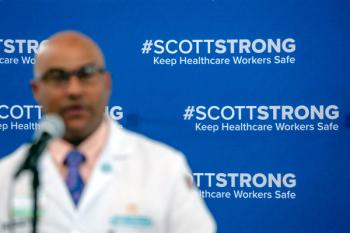
The Rhode Island health system is aiming to make a difference with its campaign, "ScottStrong: Keep Healthcare Workers Safe."

In the coming weeks and months, Chief Healthcare Executive plans to shed light on efforts to reduce violence in health systems. An ongoing series of stories will look at ideas and solutions.

The number is already 60% higher than in 2022, federal officials say. Most of the breaches came from cyberattacks.
In an interview with Chief Healthcare Executive, he discusses the momentum for home-based acute care and what health systems should do to succeed with it.

The ‘Impact Wellbeing' initiative, developed with the Dr. Lorna Breen Heroes’ Foundation, is designed to give health systems tools to help workers.