Amidst efforts to improve vaccinations and counter misinformation, doctors also must help those who have had bad experiences in health systems.
A Deloitte report estimates significant new investments, and says interventions could add 20 years to women’s health span.
Even though women represent more than half of the U.S. population, the market for women’s health remains underdeveloped.
Deloitte is seeing a shift in the landscape. In a new analysis released Tuesday, Deloitte is projecting that $527 billion in additional spending on women’s health by 2030.
Deloitte sees a number of factors at play. By 2030, between 60 and 70 million women in America will be over the age of 45, with many entering or nearing menopause.
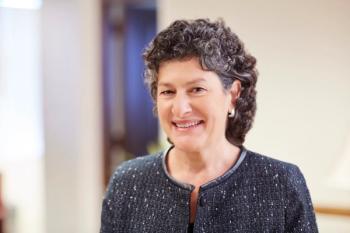
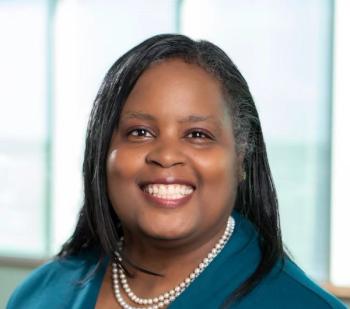
Two of the report’s authors, Jen Radin and Andy Davis of Deloitte, tell Chief Healthcare Executive® that there’s a growing understanding of the opportunities and needs in women’s health. They cite sex-specific biology factors that can lead to earlier and more effective interventions. They also point to an evolving (if overdue) recognition that women’s health extends well beyond reproductive health.
“Women's health really represents one of the largest and most underdeveloped opportunities in the health economy today,” says Radin, Deloitte principal and cyber clients leader. “But until this report, no one has actually valued the size of that.”
“For the first time, we have a holistic view of the women's health market. And it's a time when clinical care and market demand are finally converging,” Radin says.
The report also projects that greater investments and earlier interventions could help women live longer and healthier lives. The analysis projects such investments, greater prevention and improved management of chronic diseases could extend the “health span” of women by 20 years.
“This is really an opportunity to uplift health and the healthspan of over half the population of the U.S.,” Radin says.
Deloitte analyzed medical and pharmacy claims data from nearly 60 million people.
The report examined 22 areas of healthcare, but pointed to four primary areas with greater potential spending.
Women are more likely to be affected by certain conditions. Women account for two-thirds of Americans living with Alzheimer’s disease, according to the
“As we advance the science for neurological conditions and and hopefully get in front of dementia and Alzheimer's, which could be a 20-year journey, that helps everyone, but it disproportionately helps women,” says Davis, a principal in Deloitte’’s healthcare practice.
As many as
Radin also points to the significant potential of investments in cardiovascular care and research aimed at women.
“Hormonal changes and other risk factors can potentially play a role in women's cardiovascular health needs,” Radin says. “And there's so much innovation in this space right now, really moving towards sex-specific diagnostics, including, of course, AI-enabled cardiovascular screenings, and just the role of AI infused into many of these diagnostic pathways where again we can find out earlier and therefore intervene earlier.”
Plus, tens of millions of women in their mid-40s are either approaching or entering menopause, which generally can see metabolic changes that set the stage for cardiovascular, neurological or autoimmune conditions.
Health systems and pharmaceutical companies also should recognize another reason for investing more in women’s health. They do most of the spending when it comes to healthcare.
“Women already drive about 80% of health decision-making in this country and the resulting spend in the U.S., which means that women's expectations and engagement are likely to continue to shape health services and product demand,” Radin says.
Plus, more women are going online to do their own research on health conditions and medications, with nearly half of all women evaluating treatment options and more than half looking at side effects of prescription drugs.
“Digital tools and access to health information have created this greater awareness, and the social normalization of consumers taking care into their own hands is resulting in women becoming increasingly motivated to self-identify, seek care earlier,” Radin says.
Davis says he sees more women’s health products on the market. He points to the shift he has seen at the annual Consumer Electronics Show, which features plenty of healthcare technology offerings.
“You see an outsized portion of new innovations and market entry solutions focused on women's health, which is really exciting and has been a trend over the last few years,” Davis says.
Radin says the report is designed to open the eyes for potential investment and study.
“What we are trying to create here is this momentum to say this is a large market with lots of opportunity across the entire ecosystem,” Radin says.
The authors say healthcare leaders need to be paying attention to the opportunities of women’s health.
“Whether you are an investor, an innovator, a founder, healthcare system, a health plan, a med tech company, a diagnostics company, a pharma company, there is so much opportunity here to be in this market,” Radin says.
“There is a market, and there is demand,” she adds. “And that demand is growing and increasing, and will be very significant as we've modeled over the next few years. And thinking about what your strategy is in that market is critically important now so that you're ready for it in the next few years.”
Health tech and pharmaceutical companies can look at factors related to women’s health as they design products, the authors suggest. Health plans can also make it easier - and less expensive - for women to take advantage of screenings to help detect conditions at earlier stages.
Davis also sees the need for health systems and healthcare organizations to be more proactive and engage women.
“Don't wait until women are symptomatic, and they come in, and they require help, and they require care,” Davis says.
“We need our system to be better at helping everyone when they have a question, when they're curious, when they have some doubts around what is happening,” he says. “They need to be able to come into the system. And we tend to wait until they have care that's needed. And we just can't anymore.”