
A Deloitte report estimates significant new investments, and says interventions could add 20 years to women’s health span.
Our panel examines the changing role of health systems in terms of keeping communities healthy and reaching those who aren’t going to hospitals.
The role of the health system has been evolving in recent years, and it’s poised to continue changing.
In the latest video from the Chief Healthcare Executive roundtable, our panel of healthcare leaders talks about the broader role health systems are going to play in the near future.
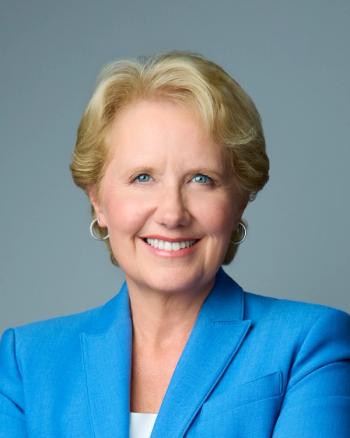
These top healthcare leaders participated in our roundtable.
Check out the video for the full segment. Here are some highlights.
A more comprehensive role
Garrett says he has already seen substantial changes in the role of the health system.
“It was very hospital-centric just a few years ago, and I see it becoming much more community-based and home-based,” Garrett said.
“I see it as part of our mission to improve the overall health status of the communities we serve, not just the folks coming into our hospitals, but those who aren't,” he said. “How can we get care and improve access to them? So yes, I see the health system playing a much broader, more comprehensive role in communities.”
The panel of leaders has discussed the importance of
But Garrett says health systems need to be financed more appropriately for taking on a greater role in prevention. As the panel noted in
“If we're really going to improve the health status of our country, which does lag behind some other western countries, we need to make sure those incentives come to the health system and to individual providers to take on those tasks,” Garrett said.
Fighting misinformation
Hospitals and health systems will continue to provide major services such as advanced complex care and transplants, Bhatt says.
But he also sees a growing role for health systems as the place for providing trusted medical information, especially as more people turn to AI tools for questions about their healthcare.
“There's a lot of misinformation out there,” Bhatt says.
Health systems are
“A lot of AI currently is just a matter of what goes in is what comes out,” Bhatt says. “If the basis of the information fed into these large language models contains elements of misinformation, AI can actually help amplify that misinformation.
“Health care systems need to take a much larger role, and I predict they will, in being sources of the truth as far as medical information goes, not just for when you're sick, but for how you can stay healthy,” he adds.
You can see all of the videos from our series on
The videos are free to watch, but you will be asked to fill out some information to access them. Don’t miss the conversation.