

A year after the hype of blockchain tech at HIMSS 2018, how far along is the healthcare industry with implementing it?
A year after the hype of blockchain tech at HIMSS 2018, how far along is the healthcare industry with implementing it?

Ad: How automated data delivery to the point of care is improving physician workflow, patient outcomes and hospital revenues.

The tech has already outperformed clinicians in various studies.

Ad: Holon Solutions assembled 125 healthcare leaders to thank their doctors. But it was just one step in the company’s fight against physician burnout.

Wearable devices can improve patient outcomes and keep patients in the loop about their health data.

At HIMSS, John Nosta saw that the industry is taking a turn.

And there’s no signs of things slowing down.
One expert is excited about the advancements and benefits of real-world data.
The technology can shift the industry from being reactive to proactive.
The high-tech pills could help improve medication compliance and adherence.

Janae Sharp and Geeta Nayyar, M.D., MBA, speak about how electronic health records (EHRs) have played a role in physician burnout.

Two experts weigh in at HIMSS 2019.
Artificial intelligence (AI) chatbots can change the way consumers seek medical treatment.

From AI to virtual care to data sharing, these three experts have very differing views on what the future of healthcare will look like.
Clinicians need more say in how telehealth platforms can be used to complement their workflows.
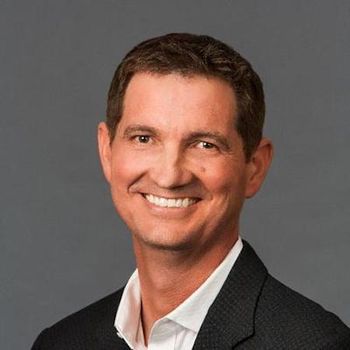
Artificial intelligence (AI) can provide new insights to physicians during their workflow.

Patients are satisfied with telehealth services.

Chris Klomp, CEO of Collective Medical, believes real-time data could improve patient outcomes.
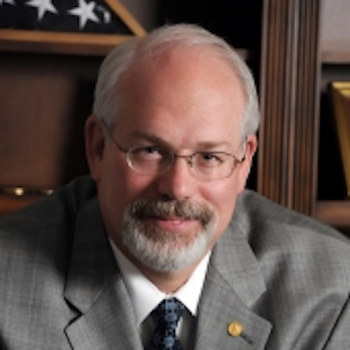
At HIMSS, Mac McMillan, CEO of CynergisTek, speaks about a few ways companies and health systems can protect patient data.

Tom Barber, Ph.D., took some time at HIMSS to talk about two emerging trends that have been a result of digital health solutions.
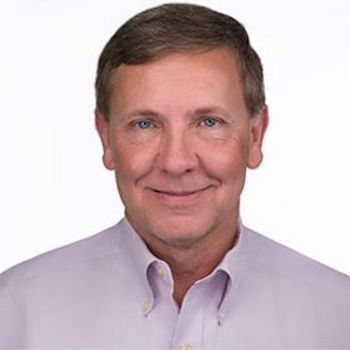
At HIMSS, Matt Michela, CEO of Life Image, suggests a few things that could drive interoperability.

Geeta Nayyar, M.D., MBA, discusses what she is looking forward to at HIMSS 2019.
How can ridesharing services like Lyft help improve patient outcomes and save money on emergency and nonemergency transportation?
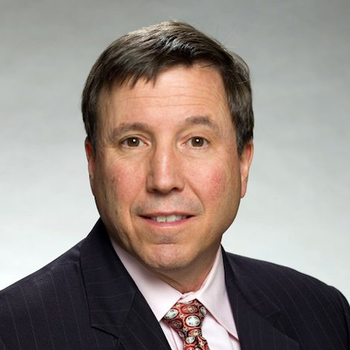
Andrew Pecora, M.D., talks about the biggest disappointments and points of growth in the healthcare industry.
What can physicians and healthcare executives do to achieve the "holy grail" of interoperability between electronic health records (EHRs)?
Wearables are inching closer to saving serious time and money for hospitals, patients and physicians.
Andrew Pecora, M.D., speaks about the future of healthcare and how cultural forces will come together to create a tipping point.
CEOs and M.D.s must prepare and seek out ways to implement new technologies into the daily care of their patients
How can health executives and physicians leverage telemedicine to help treat patients with mental health issues?
Is there anything physicians and healthcare executives can do to reverse rising drug costs and make the cybsersecurity field more attractive?