

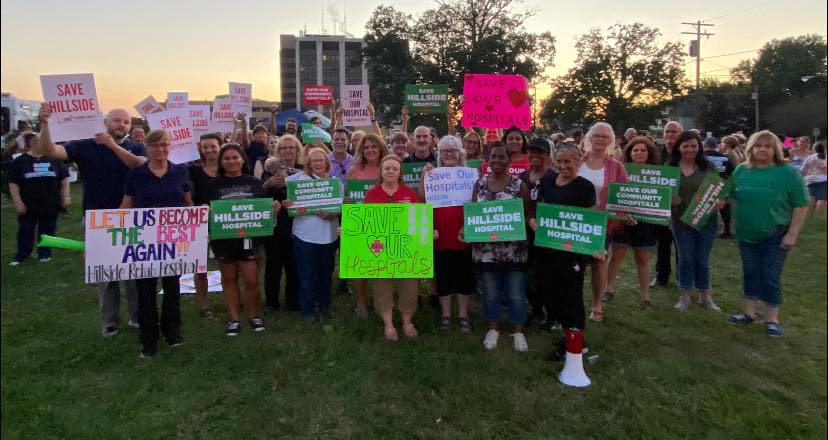



























A federal bankruptcy judge has signed off on the sale of six Steward Health Care hospitals in Massachusetts for $343 million. Two Steward hospitals in the state have shut down.
A federal bankruptcy judge has signed off on the sale of six Steward Health Care hospitals in Massachusetts for $343 million. Two Steward hospitals in the state have shut down.
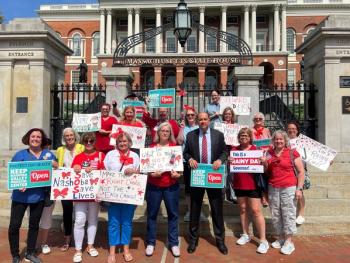
Carney Hospital and Nashoba Valley Medical Center will shut their doors Saturday. Steward Health Care couldn’t find a buyer, but some are urging state officials to save the hospitals.
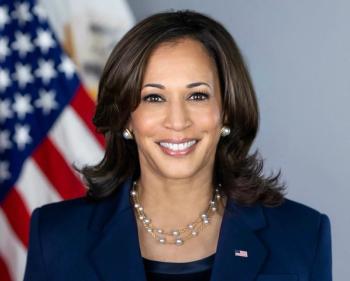
Tim Walz, Barack Obama and others talked about reproductive health rights, lowering costs, and prescription drugs throughout the Democratic National Convention.

The Federal Trade Commission rule would have prohibited such pacts, but a federal judge says the FTC lacks the authority. Doctors backed the rule and expressed disappointment.
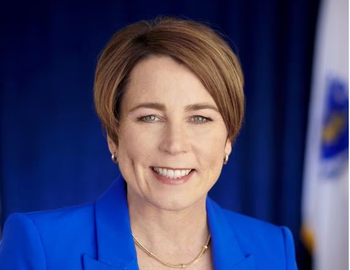
Gov. Maura Healey has announced steps to preserve five facilities run by Steward Health Care. But the plans don’t include two hospitals slated to shut down.
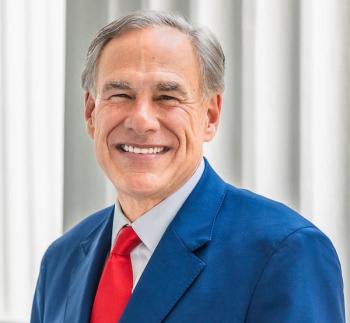
Gov. Greg Abbott is directing hospitals to collect information regarding the cost of providing care for those who aren’t legally in the U.S. Critics say it could result in people avoiding medical care.
Republican and Democrats are sponsoring the measure to avert reductions in a key program to support safety-net hospitals.

UCSF Health has now acquired two San Francisco facilities from Dignity Health. The completion of the deal follows an agreement with the California attorney general’s office.

Community Health Services is selling the facilities to WoodBridge Healthcare in a $120 million deal. Pennsylvania officials expressed optimism about the sale.
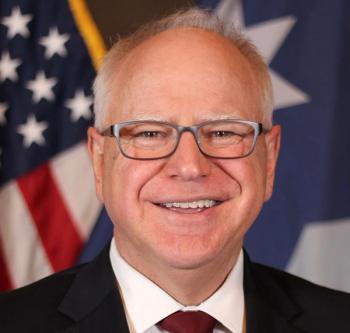
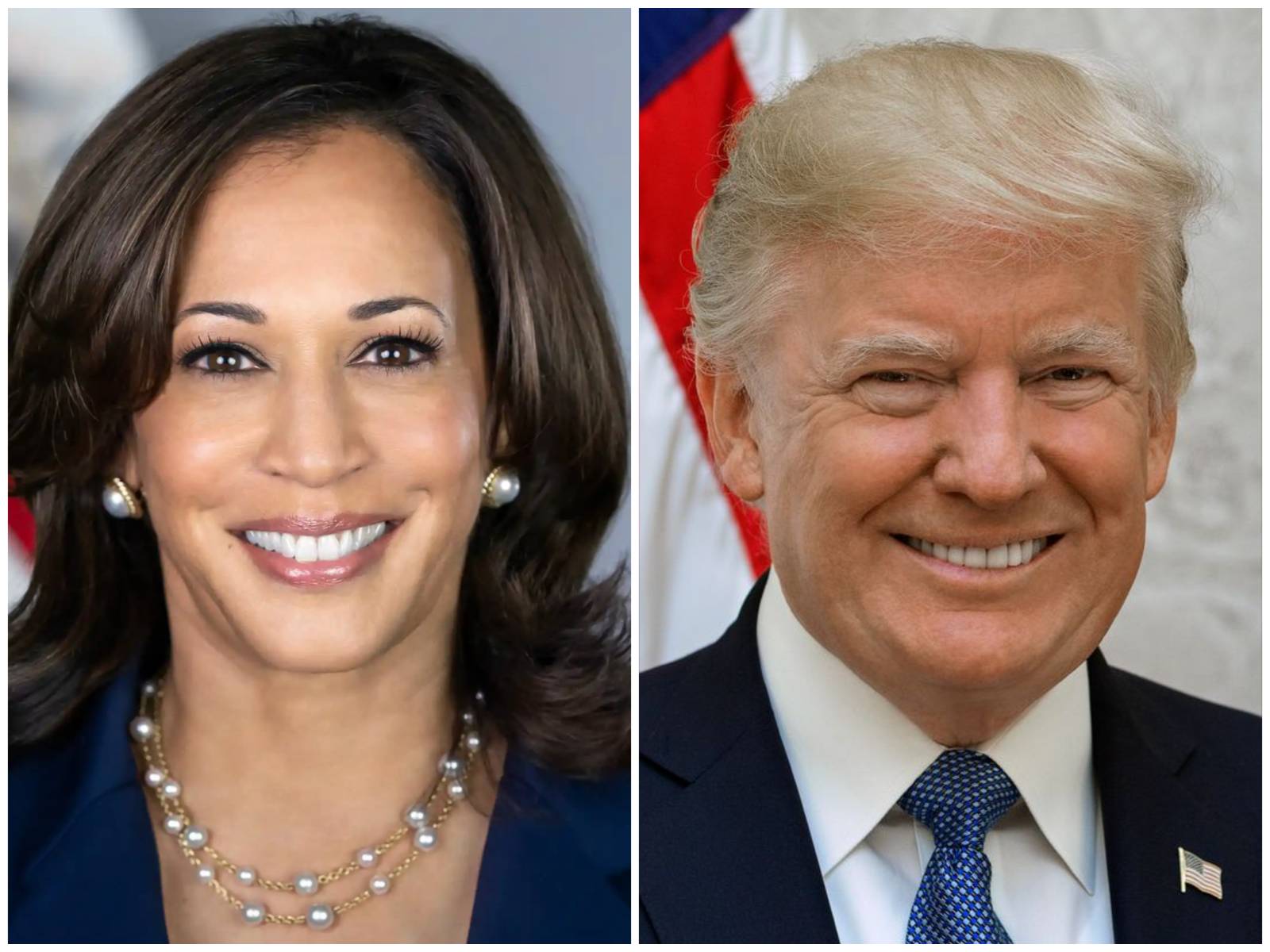
Vice President Kamala Harris selected the Minnesota governor to be her running mate on the Democratic ticket. Here’s how he has tackled key health issues.
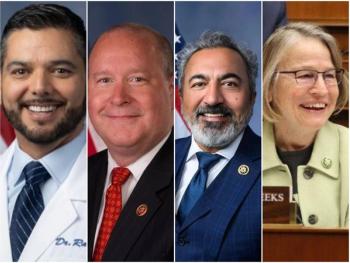
Lawmakers are pushing measures to tie federal payments to the cost of inflation. Advocacy groups renewed their call for relief after CMS proposed cuts in payments to physicians again.
The high court ruled that judges no longer have to defer to federal agencies in interpreting laws. Some worry that regulators will lose power to protect the public, but hospitals may pursue new legal challenges.
Healthcare leaders are hoping that Congress reauthorizes legislation to help the mental health of clinicians.
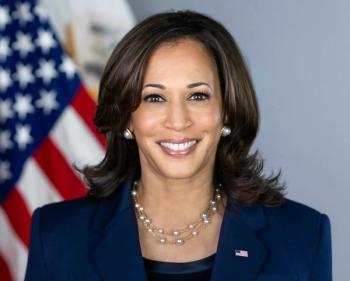
President Biden isn’t seeking re-election and has endorsed Harris. She’s been a forceful advocate on a number of the administration’s key health priorities.
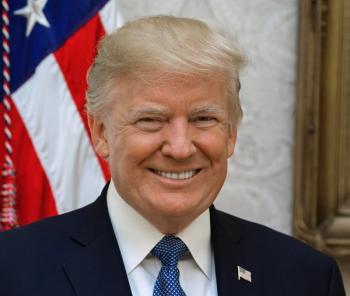
The former president was injured at a campaign event in what authorities are calling an assassination attempt. One attendee was fatally shot, while two others were wounded. Trump was released Saturday night.
Health systems and physicians criticized proposed payments for 2025 as inadequate. Planned cuts in payments to doctors were described as ‘death by a thousand cuts.’
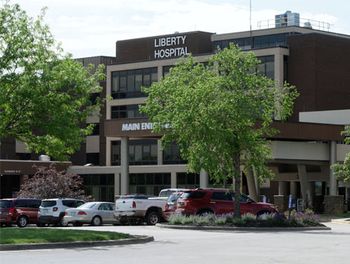
It took some time, but Liberty Hospital has joined the University of Kansas Health System.
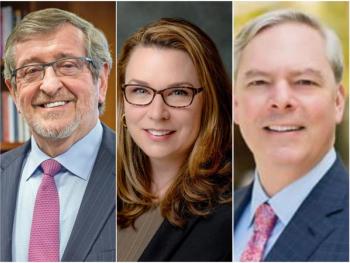
Surgeon General Vivek Murthy issued an advisory about firearm violence. Physicians and healthcare leaders endorsed his message, and some have been more vocal on the issue.

The state’s attorney general brokered an agreement with UCSF Health on its acquisition of two hospitals from CommonSpirit Health. UCSF Health will invest $430M in capital improvements.
The Federal Trade Commission made its first comments after Novant Health dropped plans to buy two hospitals from Community Health Systems. Regulators have spurred several hospitals to abandon planned mergers.
Lawmakers are pushing legislation that would impose new criteria to participate in a program allowing hospitals to buy medications at lower prices.

The ruling allows Idaho’s hospitals and clinicians to provide stabilizing care, but doctors and nurses say the high court hasn’t clarified that federal law supersedes state abortion laws.
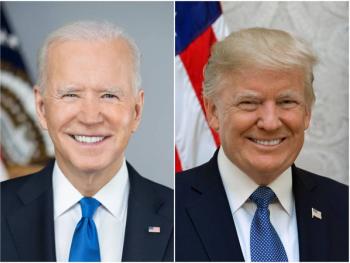
President Biden and Donald Trump met onstage for the first time, and clashed on abortion rights and drug prices.
The nation’s high court allows providers to act in emergency cases, but bigger questions remain unsettled.

While there is debate about how much social media is harming young people, clinicians say it’s worthy of attention in understanding the mental health crisis in kids.