

There were only 12 announced transactions in the first quarter, according to a report by Kaufman Hall. But some analysts expect more activity as the year progresses.
There were only 12 announced transactions in the first quarter, according to a report by Kaufman Hall. But some analysts expect more activity as the year progresses.

As we continue our series on cybersecurity, John Riggi, the American Hospital Association’s top expert, explains how disruptive breaches can be. And he offers advice for hospitals to fortify their defenses.

The Department of Health and Human Services is asking for comments about assessing fines or other remedies for potential violations. The agency noted the rise of cybersecurity threats involving patient data.

As Chief Healthcare Executive continues our series on cybersecurity in healthcare, we look at the risk a breach poses to patients. Experts say hospitals must plan for providing care after an attack.
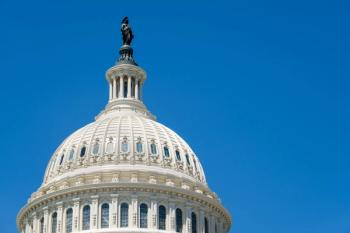
Our cybersecurity series continues with a look at what's happening in Congress. A Senate bill would authorize more cybersecurity training for hospitals. And a new law requires hospitals to report attacks and ransom payments more quickly.

This week, Chief Healthcare Executive is taking a closer look at cybersecurity in healthcare. Today, we look at the risks for smaller hospitals, which have fewer resources to combat attacks.

As Chief Healthcare Executive continues its series on cybersecurity, we look at the Fisher-Titus system in Ohio. The organization offers useful lessons in how smaller providers can improve their security.

This week, Chief Healthcare Executive is publishing a series of stories on cybersecurity and what healthcare organizations should be doing to protect themselves. Today, we look at why hospitals should expect a breach.

More than 100 breaches have been reported to the federal government since Jan. 1, and some have affected hundreds of thousands. As part of our series on cybersecurity this week, we look at the largest attacks in the first three months of the year.

CoxHealth gets a new CEO, Scripps Health selects a new chief financial officer, and more leaders are announced.

The president wants a big boost for a new research agency in his 2023 spending plan, but some say the budget would shortchange the National Institutes of Health.

The 15th edition of the Healthcare Equality Index shows most healthcare organizations have strong non-discrimination policies. But some hospitals still have some work to do.

Doctors and executives see the value in the practice, but some say there are issues with workflows and reimbursement, a new survey finds.

The vast majority of doctors are using telehealth and see the value for patients. Some express concern about ensuring all patients can take advantage of it.

After RaDonda Vaught was found guilty in the highly-watched trial, advocates warn it could deter doctors and nurses from admitting mistakes and undermine patient safety.

A new research agency would get a significant boost. Some want to see more money directed to the National Institutes of Health.

Health systems are still trying to rebound after the surge of Omicron patients, according to a Kaufman Hall report. Hospitals are seeing losses in revenue while still battling higher expenses.

Hospitals in rural areas face daunting challenges, but their response in the crisis provides useful lessons for all healthcare organizations.

By partnering with an integrated research organization, practices can maintain quality care while providing access to groundbreaking therapies.

Congressman Richard Neal sent a letter seeking information from some of America’s most prominent healthcare organizations. Critics say hospitals should be doing more to curb emissions.

Most executives say burnout and staff shortages are hurting patient safety, according to the Hospital Patient Safety Report by VigiLanz. Some say they are leading to patient deaths.

Counties with above-average Black, Hispanic and American Indian populations have been most likely to lose rural hospitals, according to a new study.

Due to insufficient planning, some costs are being passed onto patients, according to the study by Syntellis. Leaders are also worried about COVID-19 variants and staffing shortages.

In other news, the Memorial Healthcare System's chief executive plans to step down, and Methodist Hospital in San Antonio gets a new COO.
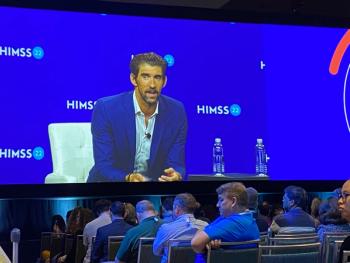
The most decorated Olympic athlete of all time spoke candidly about his mental health journey and advocacy at the HIMSS 2022 conference. Phelps said it’s time to break the stigma that prevents people from seeking help.
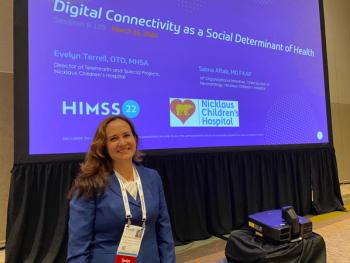
Evelyn Terrell, director of telehealth at Nicklaus Children’s Hospital, outlines ways to ensure telehealth programs aren’t leaving patients behind.

More than 400 hospitals were honored with the Healthgrades 2022 Patient Safety Excellence Awards. The group’s report also cited four common incidents affecting the health of patients.
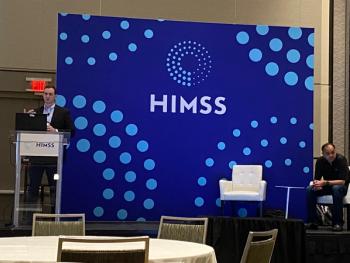
Many breaches aren’t discovered until months after the fact, and ‘double extortion’ is a growing threat, experts said at the HIMSS Conference.
Baligh Yehia, an Ascension executive, explains how the system surveyed patients about their unmet needs, and then worked to help them.

People could lose access to care in areas that are already underserved, says Diane Swonk, chief economist of Grant Thornton.