
Novartis joins other pharma companies looking to use the iPhone's sensory capabilities to study movement-related conditions.
Novartis joins other pharma companies looking to use the iPhone's sensory capabilities to study movement-related conditions.

Pager CEO Walter Jin spoke to Healthcare Analytics News about the goals of the partnership and his company's AI integration.

The plans could be of benefit to those with chronic conditions that require recurring clinical visits.
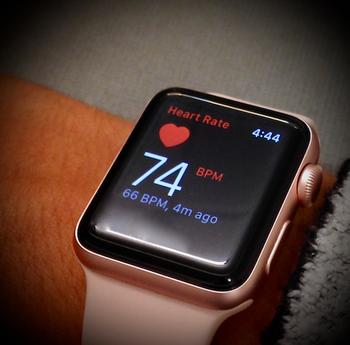
The company’s announcements about the Watch's heart rate monitor may represent a shift from fitness convenience to medical device.

Marco D. Huesch, MBBS, PhD, has deep thoughts on the role of analytics in healthcare. He also has an unbelievably deep well of experience to pull from.
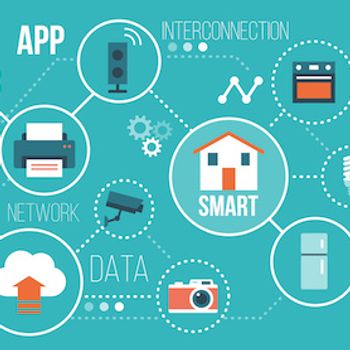
Detecting an infectious disease is almost, by definition, an after-the-fact-activity, but halting its spread is more possible than ever.

Florida hospitals are offering free telehealth, but concerns about interoperability abound in the state with the US's largest elderly population.
"We gave clinicians suboptimal cars, didn’t build roads, and then blamed them for not driving,” the authors said of the transition’s nearsightedness.
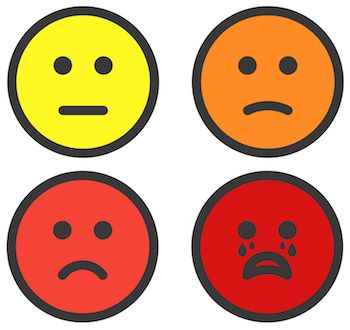
The novel tech represents an improvement on the visual analog scale, but does not account for several patient variables.

One of the co-authors of NEJM article on inflated machine learning expectations spoke to HCA News about what inspired his commentary.
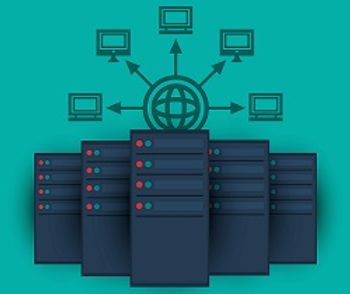
Antov, Deeken, and Killian return with five more tips on how health companies can catch up to other industries in their use of analytics for business.

This marks the first use of micromotor technology to treat disease in a living organism.
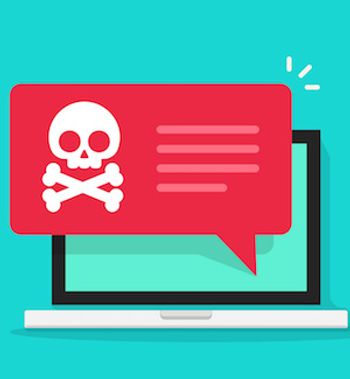
The notorious Locky ransomware had been thought dead, until a massive uptick in infections this August.
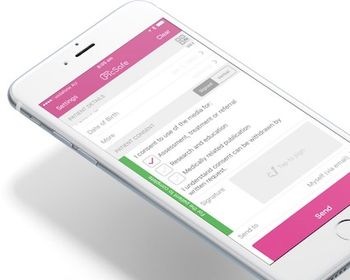
The company poses PicSafe, launched today, as an antidote to unsafe image sharing between doctors.

"We’re in the future now, we don’t have flying cars yet, but ultimately people are buying and maintaining less and less servers."
The FDA, for the first time, approved a gene therapy with a good chance of bringing remission for young cancer patients.
"There is a broad misconception that, because telehealth private payer laws are in place in many states around the country, telehealth is achieving its promise..." the report argues.

The strain placed on health systems that have remained open has staff working long hours. Many hospitals have been turning to social media in search of reprieve.
The company's suite of technologies is designed to cut out paperwork and increase participation in clinical trials.

There is further information on the firmware update available online, or Abbott's hotline at 800-722-3774.

Data analytics and accountability are key, according to researchers at Oregon Health and Sciences University.
Apparently “come to us, we have no infections,” doesn’t qualify as adequate reporting.
Reports, initiatives, and investments made August a big month for the growing field.
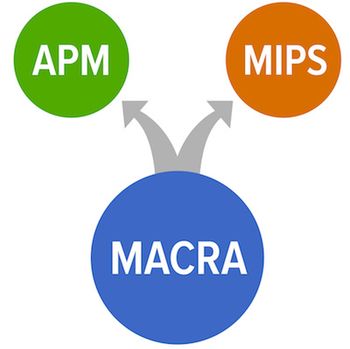
For many providers, MACRA is either enigmatic or nightmarish. A new survey from NueMD shows the depth of uncertainty.
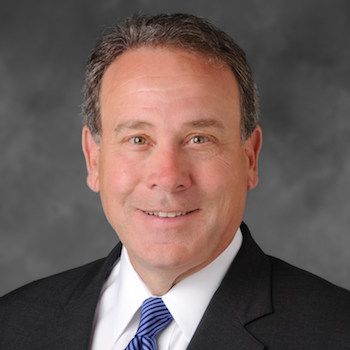
Henry Ford Hospital's CEO, who started as an intern 42 years ago, announced his retirement. Jonathan Emord continues to sue FDA over electroconvulsive therapy.
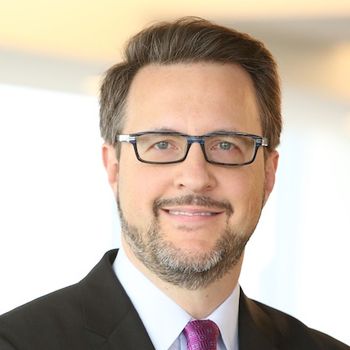
In part 2 of this week's C-Suite Q&A, we continue our conversation with David Delaney, MD.

Behavioral health telehealth provider adds Bain Capital and Aetna to its list of backers.
"At SAP, we're across 25 different sectors, and 23 or 24 of them are quite a ways beyond healthcare."
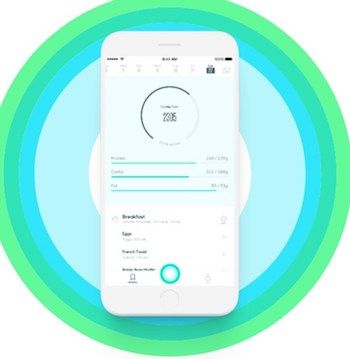
Users no longer have to burn calories typing their meals into their phones.
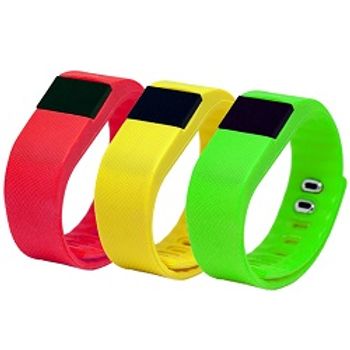
The report from Bloomberg indicates Hosain Rahman maintained his ambitious streak even in the dying months of the once-thriving company he founded.