

The world has known for months that the Department of Veterans' Affairs would be moving its EHR operations to Cerner's platform, but until recently, details were scant.
The world has known for months that the Department of Veterans' Affairs would be moving its EHR operations to Cerner's platform, but until recently, details were scant.

The CDC says it learned crucial lessons after prior storms.

The American Health Information Management Association's tips range from basics like encryption to concepts like a cybersecurity "State of the Union."
Because a fifth of all microbiology technologists will reach retirement by 2022, laboratories will need new tools to multiply their labor.
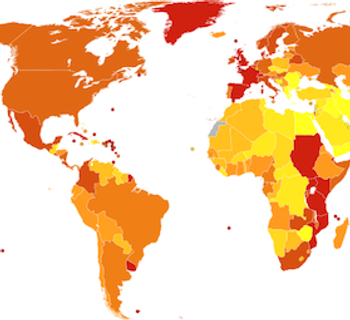
Why the United States might want to look abroad for ideas to improve training protocols.

Apps and other tools can ensure the safety of medications that typically require a prescription, the commissioner said.

Electronic medical records have become a valuable commodity for criminals on the dark web. The problem might get worse before it gets better.
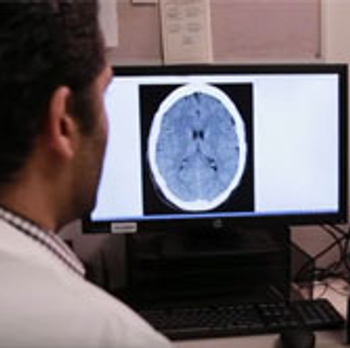
The healthcare system’s average “door-to-needle” time is now 34 minutes, a decrease of nearly 20 minutes.

Cerner argues that it bid less than its rival, which won a $62 million contract with the health system.


The National Health Information Sharing and Analysis Center will use dynamic user authentication going forward.

Despite the hype, a new survey suggests most providers are still getting their feet in the digital doorway.

The 3-month-old company has already attracted major backers, including Sanofi's investment arm.

Investigators used 500K images to hone the game-changing technology.
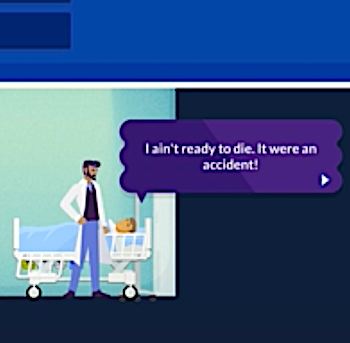
“Though enjoyment is one pathway to engagement, it is not the only one,” a new study concluded.

The lawsuit could be an important litmus test for future litigation, as CliniComp seems to claim it has a patent on cloud-based EHR systems.
Critics argue precision medicine is too expensive or burdensome. But it will likely improve care and everyday medical practice.

Doctor.com's lead investor called the post-merger company could offer "the first truly holistic offering in a market plagued by fragmented solutions.”

In a groundbreaking study, researchers found that high-definition brain modeling, backed by machine learning technology, can beat out traditional models in evaluating potential therapies.
State-level privacy policies have a substantial impact on incidence of genetic testing, according to a new study.

Plenty of research has explored whether social media makes people more anxious. A team from the University of Mississippi sought to find out if Facebook could do the opposite.

Affordable care organizations and the value-based care push present healthcare systems with both opportunities and tensions.
Hackensack Sleep and Pulmonary Center did not pay the ransom, and it was able to recover its health records from an offline backup.

The merger will bring care population health management of over 700,000 patients under the same roof.
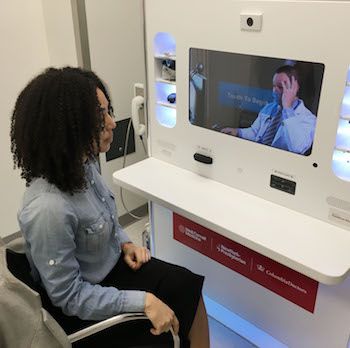
Retail pharmacies are increasingly looking stay competitive by offering healthcare services like consultation via telehealth.

“Imagine the benefits of a more efficient and transparent pathway,” the FDA Commissioner wrote in a new blog post.
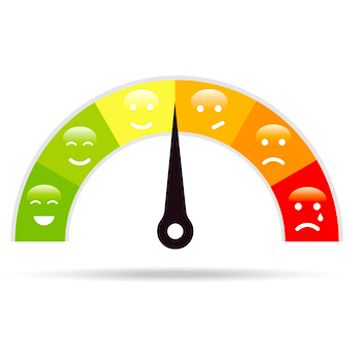
"Emojis are a near universal, popular form of communication, understandable by diverse populations, including those with low health literacy.”

10% of hospitals will take steps towards becoming smart hospitals by 2025.

Through her national listening tour, Seema Verma has also found that regulatory burden is impeding care.

"An EMR company could slap something together, or a group could build their own, and it was enough to get by. We got stuck with these bad solutions.”