
A focus on improving efficiency and reducing costs makes AI poised for increased adoption.
A focus on improving efficiency and reducing costs makes AI poised for increased adoption.

Slower typing and more helper apps could hold clues, researchers find.

The device would allow parents to hear their baby’s heartbeat continuously.

Online behavior, mental health, and advertising commingled in cyberspace.

Knowing who is more likely to opt out could help tailor better interventions for smokers.

Researchers will use Amazon Web Services to accelerate research and improve outcomes.

Better automating machine learning to tackle tough-to-find diseases.

Providers could have the opportunity to administer the innovative cancer therapy to improve patient outcomes.

Billions of dollars are at stake. It’s time for leading physician organizations and forward-thinking employer groups to collaborate.
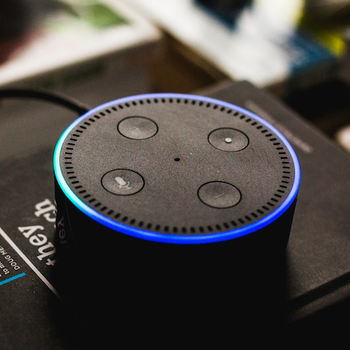
AI, smart speakers bring about a Wild West of health data questions.

The combined models identified smoking environments with 76.5% accuracy.

Swiss pharma giant and regulators still support drug use in rare child condition.

More than 31.6 million records affected, cybersecurity company says.

How new partnerships are bypassing the health system and going straight to the market.

The tool predicts systolic blood pressure with nearly 95% accuracy.

The AI model correctly identified subtle patterns of A-fib with 90% accuracy.

Social and behavioral health factors are not regularly included in electronic patient records.

This could help improve the selection of drugs and participants for clinical trials.

The tech detects low respiration rates and could buy a patient an hour of time.

The University of Virginia Health System is making a concerted effort to find out how they can integrate clinical decision tools into their health network.

Data Book examines how artificial intelligence could have helped one of the leading physician-scientists of our time.

But a Coordinated Medical Record system could help solve critical financial and clinical problems.
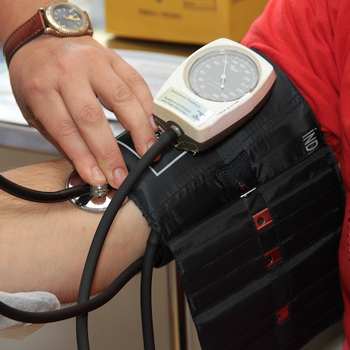
The algorithm applies AI to wearable sensor data to produce vital signs.

How health systems can construct an effective strategic plan for innovation.

Preventive care can both save costs and generate revenues. But it can also improve patient outcomes.

The pilot program will provide physicians with access to claims data.

Under the proposals, physicians would report measures that are outcome-based and more aligned to Alternative Payment Models.

The data migration is the first step toward the VA achieving interoperability of veterans’ records.

A deal between Anthem and an app developer could make it easier for patients to access care via text.

Email phishing is the primary attack vector for 90% of health data breaches.