
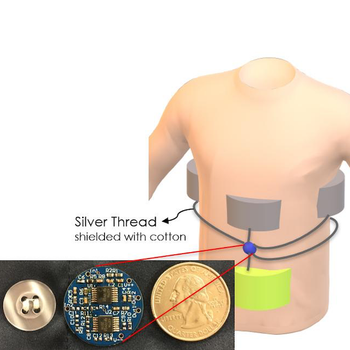
The wearable sensors could contribute to the early diagnosis of multiple disorders.
The wearable sensors could contribute to the early diagnosis of multiple disorders.

AI could help distinguish between head and neck and lung cancers, researchers found.

BIDMC CIO discusses innovations at the hospital and moving to the cloud.

Chatbot is just the latest of the machines tasked to help patients.

First European use of technology joins counterparts in U.S., Asia.

Genetic info embedded in EHRs could have major impact, Association says.

This week’s guest: Chuck Jaffe, Ph.D., M.D., the CEO of HL7.

A look at the complex mathematics looking into future health.

Algorithms could reduce turnaround time for chest X-ray reviews.

Earmarks include healthcare programs at NIH and AHRQ.

IBM’s tech can also help clinicians find the latest sepsis research.

Bayfront Health St. Petersburg Pays $85,000 to Office for Civil Rights.

Model could improve outcomes, reduce costs and save lives, researchers say.
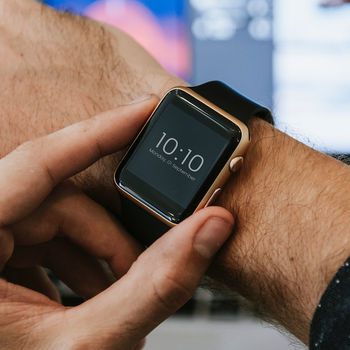
One expert thinks it might be a good thing that Apple's smartwatch does not have a sleep tracker.

The app improved medication adherence the more it was used, along with Asthma Control Test results, the study revealed.
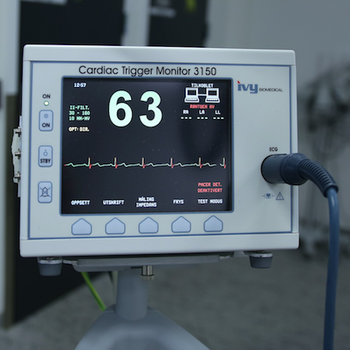
The seventh in a series on a hypothetical CMR system to fix American healthcare.

Smarter bots to solve RCM challenges.
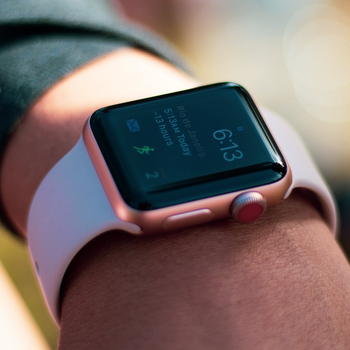
The studies will leverage data collected on the Apple Watch.

Premier Family Medical claims patients’ health data are not in jeopardy.

Agreement aims at improved outcomes, ‘revolutionizing’ healthcare delivery.
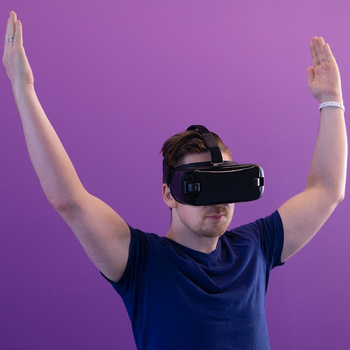
The technology aims to increase range of motion and lessen chronic pain.

CEO says company has "taken action on those individuals we believe are responsible."

The method could mean better outcomes and use of hospital beds, researchers suggest.
Stakeholders hope AI, machine learning will significantly decrease death toll.

The app-based test reduced testing time by approximately 10 minutes.
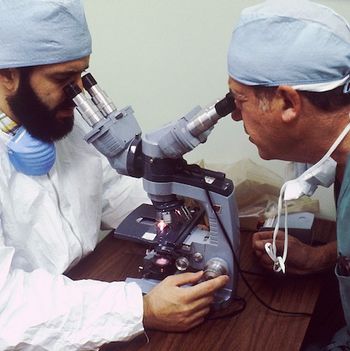
Program includes September conference, online assessments, resources.

Four questions to consider while choosing an EHR system.

Black Book Research asked 10,000 stakeholders around the world about their EHRs.

Part six in an ongoing series on the concept of a Coordinated Record System by James McGauley, M.D.

The application is integrated into the EHR to help clinicians reach patients outside the care setting.