
The machine-learning model and human experts achieved a 90% accuracy.
The machine-learning model and human experts achieved a 90% accuracy.

The acquisition is part of its new employee offering, Amazon Care, a spokesperson said.
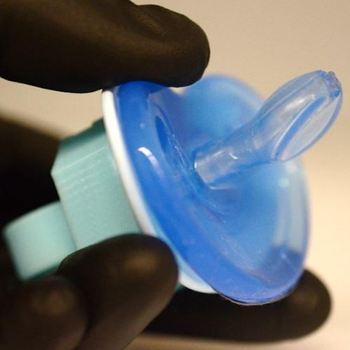
The tech could track glucose levels in real time.

The medical device seals the end of a duodenoscope to prevent the spread of diseases.

The app facilitates better, more timely communication between all involved in a transplant event.
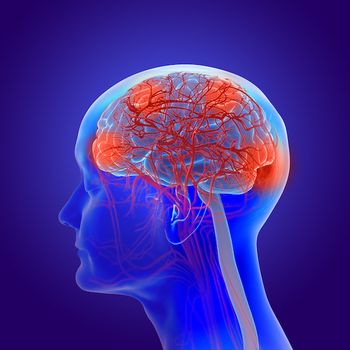
The tech could lead to cost savings and improved patient outcomes.

Several employees at Kalispell Regional Healthcare provided attackers with their login credentials.

How BMC gets its employees active in the tech implementation process.

The tech is designed to help docs efficiently deliver fluids to critically ill patients.

Four things healthcare organizations need to consider when moving to the cloud.

AI can play a role in accurately identifying skin cancer, researchers found.

The Clinic will offer virtual care visits from experts at Cleveland Clinic using American Well’s platform.

Get to know the new voices behind Data Book.

Ambient clinical intelligence could reduce physician burnout.

Engaging people and supporting them through all aspects of therapy management needs to be a priority.

The partnership could improve the speed, cost and success rate of drug development.
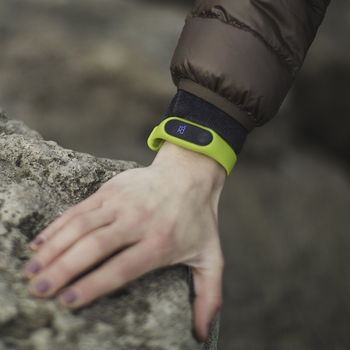
The powerhouses want to encourage more informed patient-physician discussions and accelerate the diagnosis of the condition.
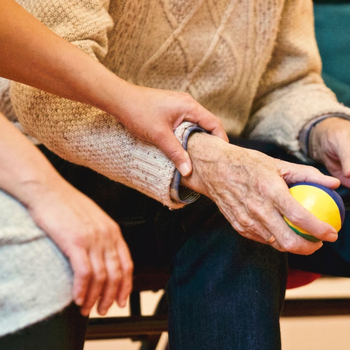
Technology creates a more accessible avenue for young caregivers.

The device can be used at home or in the hospital and tracks small and large infant motions.
The designation is granted to novel medical devices.

The companies are leveraging health tech and real-world evidence to accelerate the process.
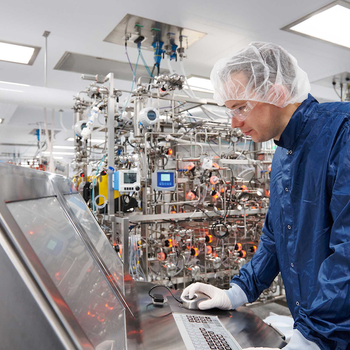
The facility uses leading-edge tech to improve the commercialization of novel drugs.

The technology uses denoising to improve a scanner’s image quality.

The collab seeks to use a portable, low-cost MRI scanner to increase access for neurology patients.

The technology can help nudge clinicians to make more informed prescribing decisions.

Real-world evidence should complement, not replace the trials, a recent study revealed.

The partnership could improve the patient and provider experience.

And health systems are investing more in the technology.

New AI-enabled technologies can improve patient outcomes.

The digital health virtual program aims to improve access to recovery.