

Artificial intelligence dominated the health technology conference, but it wasn’t the only fascinating topic of discussion.
Artificial intelligence dominated the health technology conference, but it wasn’t the only fascinating topic of discussion.
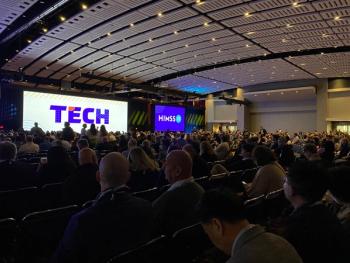
At the HIMSS Conference, healthcare leaders urged those developing digital solutions to make sure they aren’t just accessible to the affluent. And they stressed that health equity is everyone’s responsibility.
Even as health systems have faced the pandemic and financial challenges, some organizations are working to reduce their environmental impact.
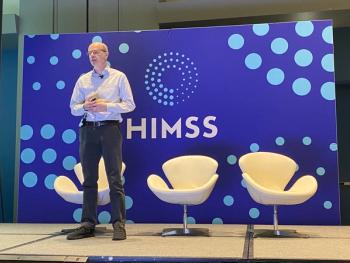
He talks about how machine learning improved patient care and the hospital's financial performance, and offers a few tips for health systems.
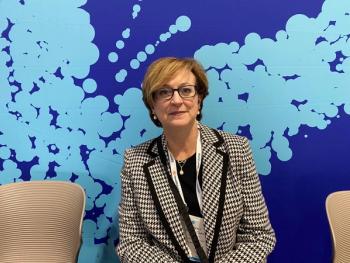
The West Virginia University Health System has added a host of small hospitals to its system. Kimberly Clarke of WVU Medicine says technology is the key to leveling the playing field.

A survey of leaders indicated most said they weren’t very satisfied with the technology they are offering patients.
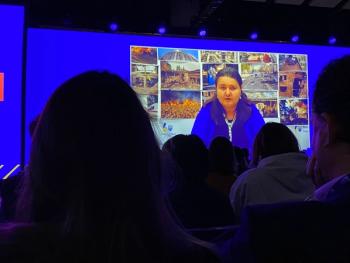
Oksana Markarova, Ukraine’s ambassador to the U.S., described the damage to the country’s health system and asked leaders for their support.

During a spirited panel discussion, some high-profile leaders talked about the deficiencies in healthcare that won’t be mended by the latest high-tech solutions.
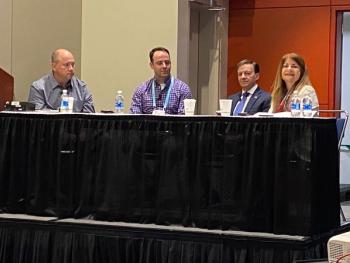
A panel at the HIMSS conference says artificial intelligence will be used to produce more sophisticated malware and phishing. But AI offers new potential in protecting organizations.
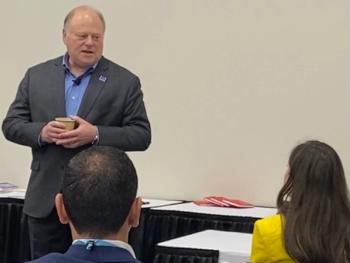
More leaders are pursuing concrete plans to close disparities, Wolf said, and offering more digital health options is a critical element in expanding access to underserved groups.
David Higginson, the chief innovation officer, explains how machine learning is detecting children with malnutrition and helping the health system financially.
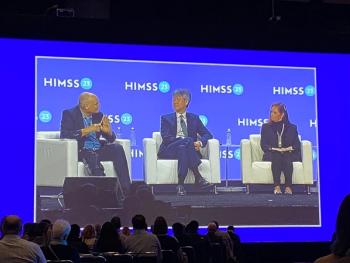
As millions of Americans are discovering artificial intelligence, healthcare leaders say AI could save countless lives. But there are difficult ethical questions that need to be confronted.

The two companies announced the expansion of their work together, and a few hospitals are already using a new solution involving artificial intelligence.
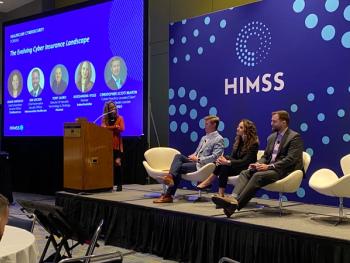
Hospitals and health systems need good response plans for cybersecurity incidents, and that includes notifying insurers and testing response plans.
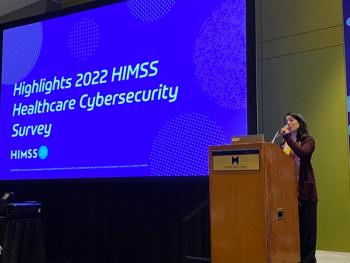
Organizations are struggling to find and keep skilled cybersecurity pros, and that’s emerging as a top concern of health IT leaders.
Healthcare leaders see great promise and significant challenges with the use of artificial intelligence. But expect AI to be used more and more.

As the big annual healthcare technology event begins today, here’s a rundown of some of the highlights and big themes.
The HIMSS 2023 Conference is bringing tens of thousands of people to Chicago, and here are a few suggestions on learning, dining, and one mistake to avoid.
In the latest episode, he talks about how artificial intelligence can change the practice of medicine, its promise and some thorny ethical questions.

More systems are stressing the importance of employing more members from minority groups. A group of leaders outlined some ways those efforts can have lasting effects.
The two Michigan systems have joined forces to form one organization. Here’s a closer look at the deal.

The state’s health systems have suffered heavy losses due to the COVID-19 pandemic and underfunding at the federal and state levels, according to an analysis by Kaufman Hall.
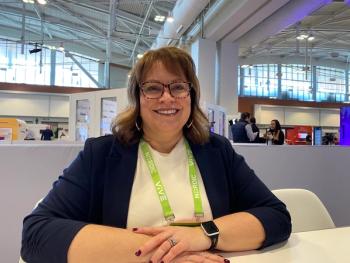
The company provides virtual triage services, patient transfer services, remote patient monitoring and more. Dominique Wells, the COO, talks with Chief Healthcare Executive about Conduit’s growth.

CMS has proposed a 2.8% increase for Medicare’s inpatient rates. The American Hospital Association calls it insufficient in light of high inflation and a history of inadequate reimbursements.
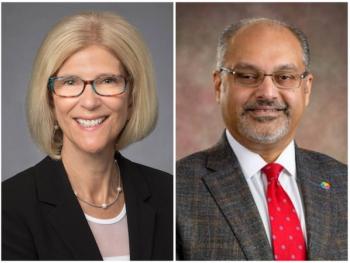
Froedtert Health and ThedaCare have signed a letter of intent to consolidate the two systems.

The Chicago-based system identified dozens of facilities that could have been affected.
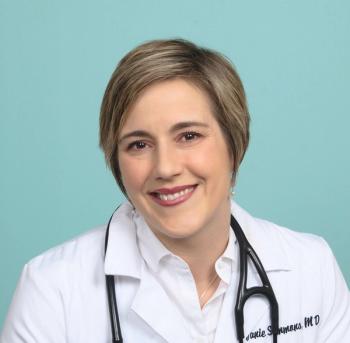
More healthcare workers are battling burnout and depression. Stefanie Simmons, chief medical officer of the Dr. Lorna Breen Heroes Foundation, talks about credential reform and how hospitals can help the workforce.

The Lown Institute says more than 1,300 hospitals receive exemptions that outweigh the financial aid and services they provide. Hospitals have said the analysis excludes some community benefits.
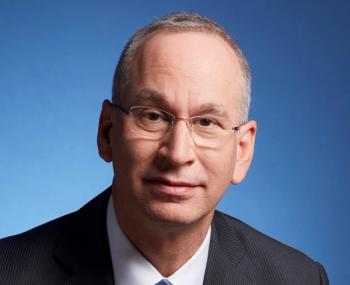
In this new series, we’re spotlighting insights from leaders in the world of healthcare. David Reich, president of Mount Sinai Hospital and Mount Sinai Queens, shares lessons from leading the New York hospitals in the pandemic.

Researchers found care teams weren’t explaining treatment plans, medications, or offering guidance regarding symptoms. Hospitals must do better to reduce the risk of complications.