

The retailer’s health division is partnering with Atrium on a new effort to deliver care at home, and they aim to illuminate ‘the dark side of the moon.’
The retailer’s health division is partnering with Atrium on a new effort to deliver care at home, and they aim to illuminate ‘the dark side of the moon.’

Even with disappointing financial returns, health systems are seeing a bit more stability, and can plan accordingly, Kaufman Hall says in its latest monthly report.

Speaking at ViVE, he says the large, for-profit system is focused on improving the quality of care. He expects more growth in outpatient care, but he also sees a growing demand for hospitals.

The company's chief medical officer and co-founder shares insights for systems looking to offer acute care at home.

Cheryl Cruver, the company’s chief revenue officer, says equity is an imperative for more and more health systems.

The organizers mourned those who lost their lives and held a moment of silence for the victims.

Cybersecurity is a big topic at the conference, and in the healthcare industry. In an interview with Chief Healthcare Executive, Rafee says providers have a lot of work to do.

This week, thousands will be attending the digital health conference in Music City. Here’s a look at the big event.

Ransomware attacks on health systems have been rising. A new report finds the health sector easily topped other key infrastructure areas such as manufacturing and financial services.

The Pennsylvania system began offering acute care services at home more than two years ago. Vipul Bhatia of WellSpan talks about the factors in the program’s success.

Many employees say their mental health struggles are affecting their work, according to a One Medical survey. The poll also saw a gap between workers’ experiences and the expectations of HR managers.

To gauge how the pandemic has changed healthcare, Chief Healthcare Executive gathered insights from a hospital president, a nursing leader, and an infectious disease physician.

The small hospital points to difficulties under the state’s abortion ban and a shortage of doctors in its ‘difficult decision’ to eliminate obstetrics service.

One of the nation's leading experts on home hospital programs talks about how they can help close health disparities.
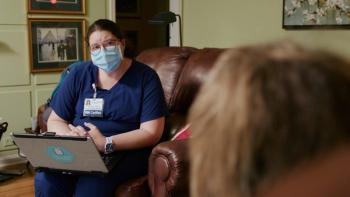
The system based in Kansas City has seen low readmission and high patient satisfaction. Michael Nassif of Saint Luke’s talks about the program.

A host of healthcare groups are coming together for the effort. They say drug companies are covertly trying to cut the program, even as they say they want to save it.
As more health systems are offering acute care at home, doctors say they are seeing good results and high patient satisfaction.

The directors of home hospital programs say they offer new opportunities to improve patient care for all populations.

Health systems say without more support, dozens of hospitals in California are ‘at great risk.’
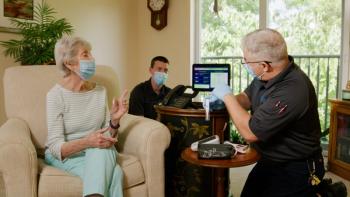
In the COVID-19 pandemic, the number of hospitals offering acute care at home has surged. Chief Healthcare Executive spoke with doctors and leaders around the country about their experiences.
In our latest episode, Ryne Natzke of Sphere talks about how providers need to take different approaches to ensure they are getting paid without leaving patients with heavy debt.

Health systems need to think about delivering care outside of the hospital.

Experts say they’re alarmed by the increase in maternal mortality during the COVID-19 pandemic. Black women are much more likely to die of pregnancy-related complications.

Some health systems have partnered with other community organizations and made a significant difference.

In this new feature, we’re spotlighting the insights from leaders in the world of healthcare. Rick Bates of RxSense talks about the importance of acknowledging mistakes.

Nearly half of adults with medical debt have been contacted by collection agencies, and some patients with lower-incomes aren’t getting discounted rates, according to the Urban Institute.

ECRI, a nonprofit focused on protecting patients, releases its annual list of the most pressing concerns. Marcus Schabacker, CEO of ECRI, talked with us about the leading issues.

As ECRI releases its annual report on the top threats to patient safety, the organization’s leader urges hospital executives to put a higher priority on reducing preventable mistakes.

The organization examined thousands of hospitals but only a select group took prizes in patient safety and the patient experience. Four problems make up the bulk of safety events, the study found.

Healthgrades has announced its recipients of patient safety awards, and Brad Bowman talks about the importance of focusing on critical problems.