He spoke with us about plans to invest nearly $600 million in the Minnesota system, upgrading facilities and the alignment between the organizations.
He talks about the expansion of services across northern California, preparing for Medicaid cuts and why growth is necessary.
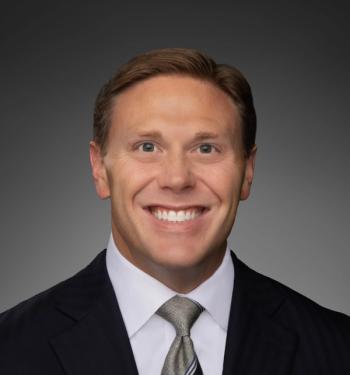
Warner Thomas says that Sutter Health’s growth has been fueled by demand, rather than simply looking to expand its map.
The president and CEO of Sutter Health, Thomas tells Chief Healthcare Executive® that there is a growing need for services.
“It's been patient demand,” Thomas says. “You know, we just see more and more people want to be cared for ….. If you look at the number of new patients we've had to our system over the past three years, it's hundreds of thousands of new patients coming to our system.”
But since Thomas joined Sutter Health in 2022, the system has announced significant investments in its home base of northern California.
Thomas spoke with Chief Healthcare Executive last week in a call from Chicago, where he attended the Becker’s Healthcare 16th Annual Meeting. He talked about the expansion of services in California, planned cuts in Medicaid, and why he says cutting services isn’t the remedy to deal with changes in Medicaid programs.
‘Taking care of more people’
Sutter is based in Sacramento, but the system serves communities across northern California, Silicon Valley, the Central Valley and Central Coast. The health system is moving ahead with ambitious plans.
In January, Sutter Health broke ground on
The system is also planning to open more than two dozen ambulatory care clinics in the Bay Area by 2027.
Thomas says Sutter’s growth is aimed at fulfilling unmet needs, and patients are seeking the system’s services.
“I think they see the capabilities we have,” Thomas says. “I think they see the clinical knowledge that we have, the physician and clinician knowledge that we have, and people want to be cared for in our system.”
“And so this is really not about expansion for expansion sake,” he adds. “This is about serving more patients, taking care of more people, improving the health of our community. And that's really what the investment is about. It's about impacting more lives and taking care of more people.”
Facing Medicaid cuts
Hospitals are facing
Facing Medicaid cuts, Thomas says Sutter will look for ways to improve efficiencies.
“We have to continue to adjust our cost structure,” Thomas says. “We have to continue to be more efficient as an organization.”
But Thomas says he’s not expecting reductions in services and is looking at ways to expand care. In fact, he says part of Sutter’s strategy in expansion and investing in more services is designed to offset anticipated losses in reimbursement.
“You cannot shrink your way through these issues,” Thomas says. “You've got to grow as an organization.”
Thomas also points for another reason to invest more in services:
“The other macro event that's happening is 11,000 people aging into Medicare every day,” Thomas says. “So that is creating revenue compression in the industry as well.”
With these forces at play, Thomas says, “Organizations have to grow. They have to be more efficient. We have to use technology to deliver more effective care and do it in a more cost effective way. And that's really the main focus for us at Sutter Health.”
Plus, some of Sutter Health’s hospitals are based in rural areas, and Thomas says he recognizes that they are the sole providers in those communities.
“We're trying to use the breadth of our system to bring clinical capabilities to these rural hospitals that they wouldn't be able to do on their own, and so I think we are so far doing a good job being able to provide the right services there, but it's a challenge,” he says. “Rural healthcare is a big challenge, and I think continuing to be able to bring the right physician mix into rural communities is going to be more of a challenge in the future.”
Avoid freezing
When asked about advice for other healthcare leaders in a difficult environment, Thomas points to the need to move forward.
“You have to have a growth mindset,” Thomas says. “I think you have to be constantly learning. You have to constantly look at how you could do things better and evolve.”
“I think you have to be action oriented, and not just, you know, frozen, given all of the challenges and changes out there,” he continues. “I think sometimes people freeze. I think you’ve got to be action-oriented. Keep moving forward, keep adjusting, keep learning, and at the same time, build a great team that's around you to help you be successful each and every day.”