Two major cyber incidents develop just days apart. Here's what to ask your team.
Brockton Hospital disclosed the attack this week. While the hospital is caring for patients, ambulances are being diverted and some services have been affected.
A hospital in the Boston area has been dealing with a cyberattack that has disrupted some services for patients.
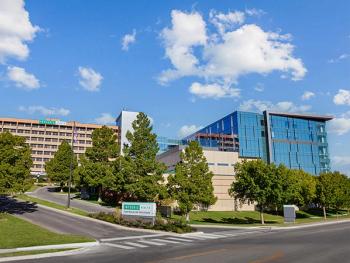
Brockton Hospital said it has been responding to “a cybersecurity incident that has affected certain information systems within our health system.” The hospital, part of Signature Healthcare,
Brockton remains open and the hospital is treating patients. The hospital’s emergency room is also open and the system says surgeries and procedures are continuing as scheduled.
But the hospital has been diverting ambulances to other facilities this week. The hospital also had to postpone chemotherapy services for some patients.
“Upon identifying suspicious activity within a portion of our network, we immediately activated our incident response protocols,” Signature said on its website. “We moved to down-time procedures to ensure high-quality patient care and safety. We are working with outside resources to help us investigate the incident and restore operations as quickly as possible.”
Kim Walsh, Signature Healthcare's chief operating officer, told
“Our care teams continue to provide high-quality care using established downtime procedures. We remain committed to serving our community throughout this process,” she told the station.
The hospital is based in Brockton, a city of 100,000 about 36 miles from Boston.
Signature also operates a medical group and urgent care practices, and those facilities are open, but patients are being advised that they may experience delays.
The system is continuing to perform lab tests but says some results may be delayed.
John Riggi, the national adviser for cybersecurity and risk for the American Hospital Association, says hospitals and health systems need to be taking all possible steps to protect their systems. Riggi told Chief Healthcare Executive®
Even before the conflict began, groups in Iran have launched ransomware attacks. Ransomware groups are aware of the vulnerabilities of health systems, Riggi says.
“I think our adversaries, whether they're criminal organizations or nation-state sponsored, have mapped the healthcare sector,” he says. “They have mapped the sector and identified key mission-critical and life-critical third party providers that if, in fact they are attacked, there'd be a massive cascading disruptive effect across the entire sector.”
Some ransomware groups are also
“The third-party landscape is one of the fastest growing and largest attack surfaces that any hospital has to deal with,” Teague told Chief Healthcare Executive® in an interview last month.
The Brockton incident also illustrates the ripple effects of cyberattacks. Cybersecurity experts note that cyberattacks have
Riggi has stressed that hospitals need to maintain robust defenses, but they also need to have detailed response plans to get through cyberattacks.
“It's not a question of if they happen,” Riggi said in the March interview. “The question is, when it's going to hit you. And if you are woefully unprepared, then you put patient lives at risk.”
Founded in 1896, Brockton Hospital has 216 licensed beds.