The pace of mergers isn’t showing signs of slowing down, as health systems engage in more deals and bigger transactions.
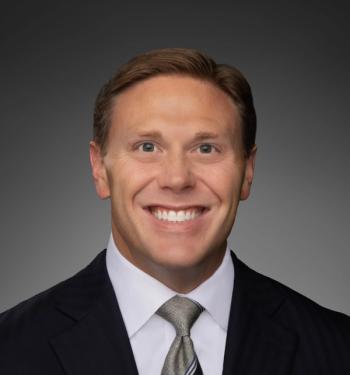
Erik Swanson of Kaufman Hall talks about the rising financial pressures health systems are facing, including more without insurance or underinsured, and rising expenses.
Hospitals are seeing some concerning financial trends in recent months that may foreshadow bigger problems in the near future.
Health systems are reporting more bad debt, referring to the amount of a bill that is left unpaid, according to Kaufman Hall, a healthcare consulting firm. Bad debt has been climbing and hospitals are providing more charity care, Kaufman Hall said in its most recent
Erik Swanson, managing director at Kaufman Hall, tells Chief Healthcare Executive® that the uptick in bad debt in charity care is a source of concern. And he expects it to be a problem for the foreseeable future.
“We've continued to see here a rise in bad debt and charity,” Swanson says.
Kaufman also sees a drop in hospital reimbursements for the care that they are providing. “That number has steadily been declining,” he says.
“So what that is telling us is not only are there challenges for bad debt and charity care due to greater amounts of uninsured or underinsured patients, but the payer mix also continues to erode,” Swanson says. “We're seeing more and more governmental payers rather than commercial and so the amount that hospitals ultimately are reimbursed relative to the charges has declined, and that's about a three-to-four year trend that has just continued.”
With more Americans reaching retirement age, hospitals are seeing more patients covered by Medicare than by commercial insurance. Health systems should expect that trend to continue, Swanson says.
Year over year, bad debt and charity in January 2026 rose 8% compared to January 2025, according to the latest flash report from Kaufman Hall. It’s 40% higher than in January 2023, according to the report.
The national operating margin index in January was 2.1%, according to Kaufman Hall. But there continues to be a gap between those who are in a good position financially and those who are struggling. Nearly half of all hospitals have negative margins, Swanson says.
“It’s a very tenuous spot,” Swanson says.
Healthcare leaders are worried about seeing more patients without coverage due to
Swanson says it’s too early to say if hospitals are seeing the effects of more people without plans under the Affordable Care Act. But he says it would follow similar patterns of bad debt rising when Medicaid has seen declines in enrollment.
“Causation and correlation are two different things, so I cannot yet draw the causative connection, but I will say with a fair amount of certainty we know that it's occurring,” Swanson says.
Hospitals and health systems are bracing for more cuts in Medicaid programs which are projected to leave millions of Americans without coverage over the next decade.
As hospitals also expect to see more financial difficulties with more uninsured patients, health systems are looking to partner with other companies that can help them in providing access to services and expand their own capabilities.
He also says it’s important for hospital executives to be closely examining their own service lines and gauge where they are succeeding and making tough choices about other services.
“It may mean, do a few things really, really well, and partnering with others for other items, or simply not doing some,” he says. “So really here, in my mind, it's strategy is king at the moment, and it's about having a well-informed, data-driven strategy based upon those objectives.”
Hospitals are continuing to see higher labor costs, with an uptick in January. Some of that increase may be tied to salary increases taking effect in the beginning of the year for hospitals budgeting on a calendar year, Swanson says.
Health systems continue to see higher costs in non-labor expenses, such as the cost of medication and other key medical supplies.
“A lot of the growth that we've seen, and pressure here, is on the non-labor side,” Swanson says. “So it's the drug pricing. It's drug utilization. As the population ages and requires more expensive pharmaceuticals and supplies, those have increased, and those are much harder to control with any level of immediacy than you can with something like labor. It just creates a … sort of calcified operating system that doesn't respond as well to fluctuations in volume.”