
The pace of mergers isn’t showing signs of slowing down, as health systems engage in more deals and bigger transactions.
Executives say they are focused on cutting expenses and worried about reduced government funding, according to a new report by Strata Decision Technology.
With financial pressures mounting, healthcare executives say cutting costs isn’t merely a key part of their strategy.
It’s their top priority.
More than half of healthcare financial executives (57%) said reducing costs is their top priority for 2026, according to Strata Decision Technology’s annual Healthcare Financial Outlook Report. The report was released today.
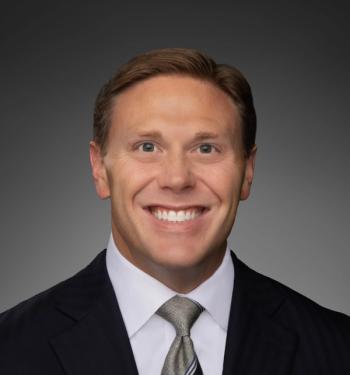
But he says the desire to cut costs also reflects health systems preparing to deal with cuts in Medicaid and the expectation that hospitals will see more uninsured patients in the near future.
“It still continues to be a challenge for folks to manage a sustainable margin,” he says. “And they're also anticipating what's coming, which is additional payment reform and structural differences, particularly in the government.”
For many leaders, he says the process is, “We're going to blink. It's going to be 2027.”
Two out of three healthcare financial leaders (66%) say that they’re worried about government funding, including cuts to Medicaid. Analysts project
The federal government is shifting more responsibility to states in financing their Medicaid programs, and healthcare leaders say
So health systems are making plans to deal with the changes now, Wasson says.
“They’ve got to start moving their organization towards some other operating normal, recognizing that there's some structural changes heading their way that they need to kind of get ready for,” he says. “So, yeah, I think that's on their mind.”
Nearly half (43%) of healthcare leaders surveyed said that they expect to see at least modest improvement in their operating margins this year. But it’s noteworthy that 22% said they expected margins to stay the same, while another 25% said that they expect their operating margins to decrease in the coming year. So that means nearly half (47%) expected to hold the line or due worse. Another 10% said they weren’t sure how their margins would perform in the year ahead.
Labor expenses ranked as the second leading concern among healthcare finance leaders, with 48% citing it as a top concern. Conversely, 25% cited concerns about non-labor costs, such as drugs and medical supplies. That may be a bit surprising, as Wasson notes that non-labor costs have been rising at a faster clip than labor expenses.
Still, he says, labor remains the leading expense item for health systems.
“So it's not unreasonable that they would worry about their number one expense line and have that point of view,” Wasson says.
And he adds, “Historically, it's been really volatile. If we go back just a few years, it was really a pain point. So I think that's still on people's minds as they're answering a survey like this.”
Looking at the bell curve of hospital performance, he says a small group of hospitals and health systems are doing well, a large group with thin margins, and some that are struggling to stay above water.
Noting the lower performing hospitals, Wasson says, “I truly worry about their sustainability and what will happen to them.”
With uncertainty in funding and more financial headwinds, Wasson says healthcare leaders have the right idea in placing cutting costs at the top of the agenda.
“They should definitely take their own advice of what their priority is, and manage their margins, manage their expenses,” he says. “And I think it really should be a strategic priority of organizations to make that a priority. It's easy to say, it's harder to actually do it …. The CEO, the CFO, the leadership, has to make it a strategic discipline of their organization, or else, I think it's just a lot of words.”
Wasson also expects to see elevated pressure on expenses, including supply chain challenges in the future.
And he urges health systems to prepare for changes in Medicaid, including understanding payer mixes.
“Make a plan for it,” he says. “Don't wait and just kind of let it happen to you.”