Sr. Mary Haddad talks with us about Medicaid cuts, more uninsured patients and the financial toll on hospitals.
Community health centers have practical knowledge about what works in prevention, chronic disease management, and care coordination for populations in greatest need.
Healthcare reform consistently strives to improve care quality, advance population health, and achieve cost efficiency. In hospital boardrooms, this “triple aim” is a business case for financially sound and evidence-based medical decisions.
In practice, medically complex populations require equal attention to clinical, social and satisfaction measures. Federally Qualified Health Centers (FQHCs) successfully manage complex care issues every day, and health systems benefit from engaging with them as more than a safety valve for acute cases.
Before they can even approach the triple aim, FQHCs must clear the high access hurdles facing uninsured and underinsured communities. Patients often have not been afforded preventive care and present advanced medical challenges. To achieve optimal outcomes in a cost-effective manner, FQHCs devote extensive, often uncompensated care coordination resources to address the multiple factors of whole-person care.
Our teams assist with insurance enrollment and do their due diligence to meet the requirements of specialty providers and charitable care plans. For patients, food, shelter, and childcare are understandably higher priorities than clearing an eligibility roadblock. Providers who match this attention to the patient experience are diverting non-emergent crises from the emergency room.
Expanding the lay workforce to improve health outcomes
Community health providers are uniquely positioned to address the intertwined social drivers of patients’ health.
Recently, Friend Health concluded a three-year program with City Colleges of Chicago to train 100 individuals to become certified community health workers, completing clinical hours and apprenticeships within our centers. A patient's asthma is better managed when a community health worker can make a home visit to assess environmental triggers like curtains or pets and provide coaching on using inhalers or nontoxic cleaners. By shifting enabling services to trained community members, physicians can operate at their highest clinical capacity.
Likewise, behavioral health and medical conditions are inextricably tied with population health. FQHC patients benefit from real-time consultations with onsite psychologists and licensed clinical social workers. When we establish care on the same day, patients have proven much more likely to pursue follow-up treatment.
Strategic partnership can yield actionable data to improve patient outcomes. For instance, the South Side Healthy Community Organization–one of the Illinois Healthcare Transformation Collaboratives of FQHCs, safety net hospitals, and academic centers–identified a high volume of high-risk pregnancies. As a result, the University of Chicago placed an ultrasound machine and maternal-fetal medicine providers directly on-site at Friend Health.
Hospitals participate in these collaborations to head off the complications of an emergency room delivery from a patient in crisis. This collaborative logic must also extend to healthcare governance. When community-based providers are excluded from policy development, the resulting gaps often cause implementation delays and unworkable constraints.
Just as clinical collaboration relieves demands on emergency resources, partnership averts systemic funding crises. For example, current proposals regarding the 340B prescription program—which allows us to provide heavily discounted medications to uninsured patients and reinvest savings into patient services—threaten vital funding because they were developed without sufficient provider input.
State models successful healthcare governance
Conversely, Illinois brought providers to the table to discuss the implementation of forthcoming Medicaid work requirements. The discussion provided greater clarity on the reporting requirements that would bring the state government its proper share of Medicaid funding.
Community providers had the opportunity to raise vital questions and ensure their operational flexibility. Policies should reflect reality, and public servants can assure proper healthcare governance by exchanging views directly with providers or through the advocacy of national and state primary care associations.
For healthcare executives and state policymakers, integrating FQHCs into strategic planning is ultimately a pay now or pay later decision. FQHC care coordination provides direct cost savings for larger hospital systems downstream. By collaborating on population health management, we can provide the preventive and maintenance care that people prefer. These efforts reduce the stress of uncompensated care on hospital systems, better manage wait times and focus emergency care resources where they’re truly needed.
Individual organizations and the healthcare system at large will produce optimal health outcomes by bringing community health leaders into boardroom conversations. A healthcare ecosystem that shares strategic planning can truly deliver on the promise of the triple aim.
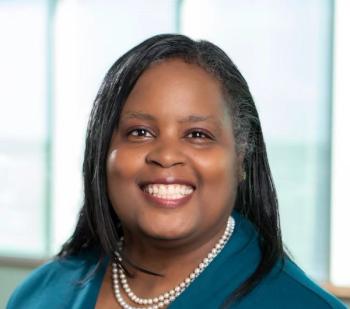
Wendy Thompson serves as CEO of Friend Health (formerly Friend Family Health Center), a federally qualified health center with six Chicago locations.