






Virtual Care
Latest News
Advertisement
Latest Videos



























Advertisement
More News

Researchers at the University of Texas, Austin, created a paper-thin device to collect key heart readings wirelessly and continuously.
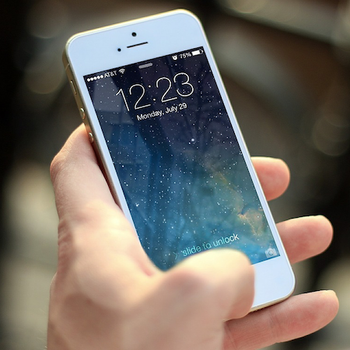
While some providers are worried about the technology, past studies have found mHealth apps to be effective.

Two experts believe health tech can speed up processes in a physician’s workflow.

Emailing images of surgical wounds could enhance the doctor-patient relationship.
Patients and providers can use the platform to learn about recovery and get educational information or emotional support.

Data Book discusses how leaders can ignore noise and embrace effective healthcare technology.
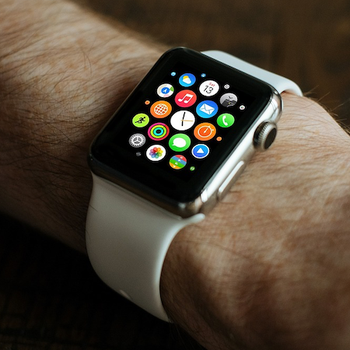
50% of participants see the tech as a great opportunity, while others see it as a danger.

David Harlow says the move could benefit providers, patients and more.

Health systems can use these 3 tools to increase patient engagement.

Electronic monitoring of a patient’s rescue inhaler could help avoid hospitalization.
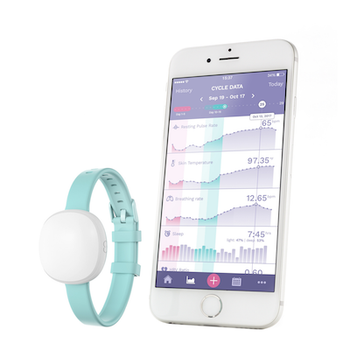
A new fertility tracking device aims to help women determine the most fertile days of their cycle.
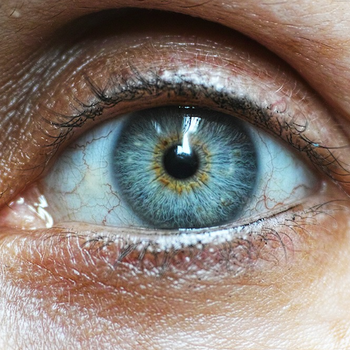
Ocular telehealth programs could help address the health and financial complications associated with diabetic retinopathy.

A new study suggests the model can benefit rehabilitation, fitness and labor health protections.

Virtual reality technology is no longer just for video games.

An analysis of the evidence for these increasingly popular mHealth apps.

Data Book details the demise of a dotcom startup and offers lessons for healthcare innovators.

Patients want telemedicine services. Is your health system answering the call?

In hospitals and health systems, priorities don’t always translate to implementation capabilities.

The device continuously records patient data to help reduce heart failure hospitalizations.

The chief innovation officer is looking for internal innovation and partners whose goals best align with CHLA’s.

The agency is looking for ways to relieve administrative burden and increase quality of care.

There is no encyclopedia that contains the metrics of what makes a digital health program usable or not.

Although adherence declined over the 90-day study, patients who used the app saw a reduction in headache days per month.

Healthcare might be ripe for change, but disruption isn’t so easy for outsiders.
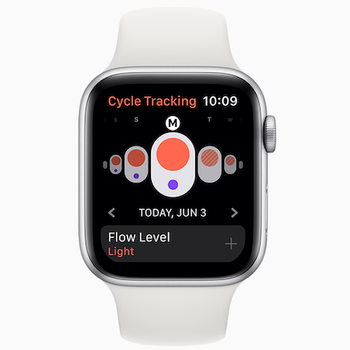
The app is a significant step into women’s health for Apple, whose healthcare and wellness portfolio continues to expand.
Advertisement
Advertisement