


























A police officer was killed and five other people were shot at UPMC Memorial Hospital. After other fatal shootings, hospitals are thinking about steps to protect staff.
A police officer was killed and five other people were shot at UPMC Memorial Hospital. After other fatal shootings, hospitals are thinking about steps to protect staff.

A police officer was killed and five others were shot at UPMC Memorial, including three UPMC staff members. The injured hospital staffers are recovering.
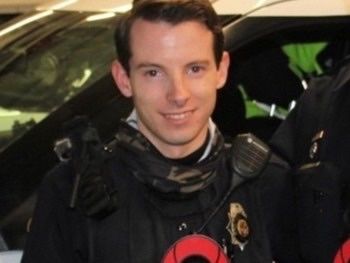
Andrew Duarte was killed in the horrific incident at UPMC Memorial, and five others were shot and wounded. The officer was praised as a hero.
The tragedy occurred at UPMC Memorial Hospital just outside York. The gunman wounded two other officers and three hospital staffers before being killed by police.
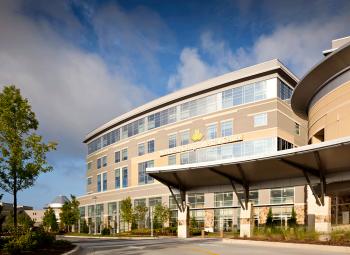
Chris Paravate of the Northeast Georgia Health System talks about the ways they are aiming to improve security, from technology to training.
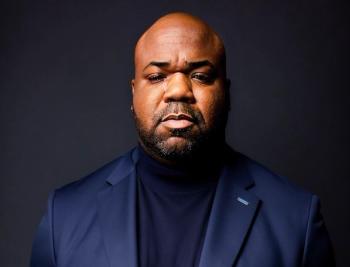
Hershaw Davis has spent 16 years in the emergency department of Johns Hopkins. He says he wants to show aspiring nurses that victims have a story.

Nathan White, an emergency nurse at Huntsville Hospital, shares his experience of caring for patients injured or killed by firearms.
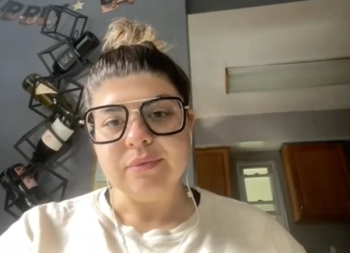
Angie West has treated patients with gunshot wounds in the emergency department for more than a decade. She says it’s always difficult to talk with the loved ones of victims.
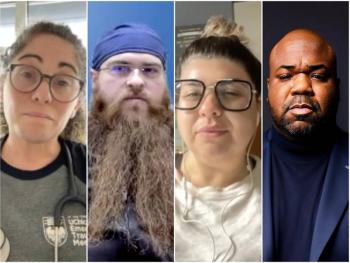
Emergency nurses share their experiences on treating the victims of shootings, the anguish of families and how they cope with what they see and experience.
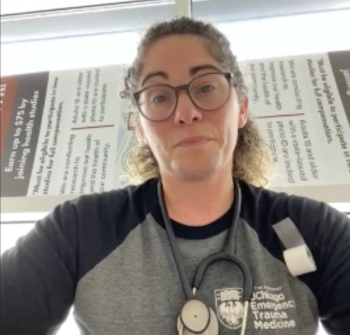
Nurses who treat patients with gunshot wounds on a daily basis endure heavy stress, and they need to know when to get assistance.
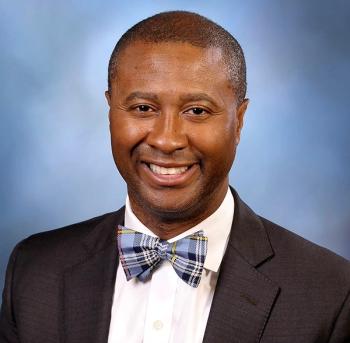
In health care, we take a pledge to first do no harm. We deserve the same consideration.

Kimberly Urbanek of Endeavor Health talks about ways to help reduce threats and protect workers.
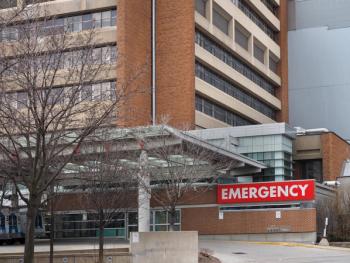
Patients are routinely stuck in emergency departments for days, or longer, which is hurting patients and staff. A recent study also says it’s adding costs to hospitals.
Health systems are hoping for a peaceful election, but they have made preparations in case there is violence stemming from the election.

A federal appeals court rules that California can’t widely ban firearms at all healthcare facilities. But the state's hospitals may soon be required to install weapon detection systems.

AI has emerged as the most comprehensive safety option available and as a solution offering the shortest implementation timeframe.

Nurses often feel like hospitals are faulting them for being attacked, rather than supporting them. Fear of blame may lead to underreporting of assaults, researchers say.

As part of our ongoing series of stories looking at safety in hospitals, Tony Jace of the Crisis Prevention Institute discusses ways to help protect staff and support workers.

Researchers found healthcare workers are facing a verbal or physical incident at least once for every 40 hours worked. Joanne DeSanto Iennaco of Yale University talks about protecting staff.

An inclusive organization is more likely to see gains in safety, says Tejal Gandhi of Press Ganey. Hospitals also must make sure their workers feel safe.
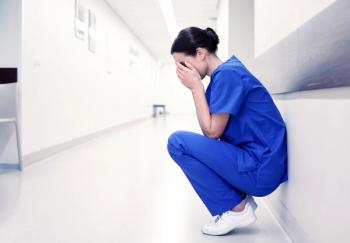
The Emergency Nurses Association released a survey that sheds more insight on the violent and volatile situations nurses routinely encounter.
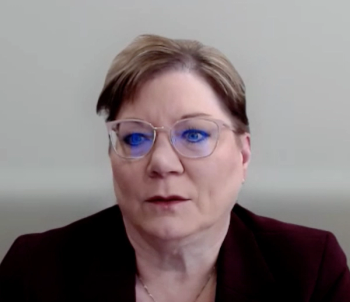
Hospitals have been struggling to retain nurses. Vicki Good, chief clinical officer of the American Association of Critical-Care Nurses, talks about improving the environment for nurses.
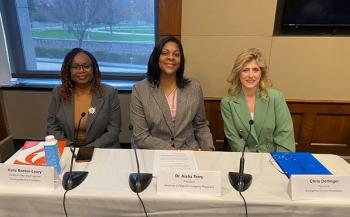
Leaders from groups representing physicians and nurses went to Capitol Hill to draw attention to the dangerous incidents in hospitals.
Lisa Kidder Hrobsky of the American Hospital Association talks about Medicare and Medicaid funding, extending telehealth, protecting workers, and more.

From a big merger to a fight over federal funds to the nation’s largest healthcare worker walkout, these stories on management issues drew the most attention.