


































The California-based system plans to acquire Geisinger and form a new organization called Risant Health. Here’s a guide to understanding the plans.
The California-based system plans to acquire Geisinger and form a new organization called Risant Health. Here’s a guide to understanding the plans.

Assuming regulatory approval, the two systems announced the plans to launch a new organization, Risant Health, which will add other regional health systems.

LCMC agreed to buy the facilities from HCA Healthcare last fall, and Louisiana officials approved the deal. The Federal Trade Commission has moved to stop LCMC from integrating the three hospitals.
The two Michigan systems have joined forces to form one organization. Here’s a closer look at the deal.
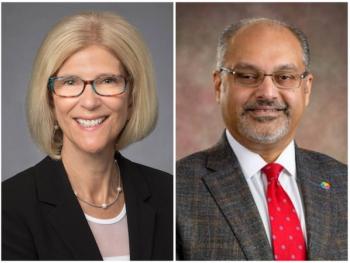
Froedtert Health and ThedaCare have signed a letter of intent to consolidate the two systems.

As health systems continue to struggle, more will be seeking to join with other systems, either in consolidating systems or working together in certain areas, says Ross Nelson of KPMG.
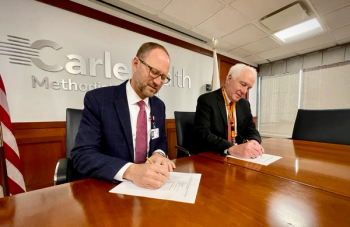
The organization welcomes hospitals and clinics formerly with UnityPoint-Central Illinois.

The two systems said they are exploring a partnership. If they come together, the merged organization would operate more than 40 hospitals.
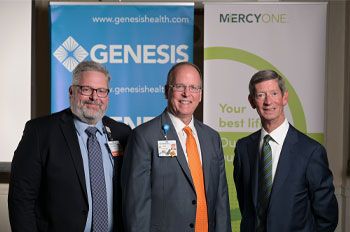
The two systems announced their plans to join forces in September. MercyOne is part of Trinity Health, one of the nation’s largest nonprofit systems.

The online retailer says annual subscriptions to the primary care organization will cost $144, or $12 per month. Regulators won’t sue to block the deal but say their investigation continues.
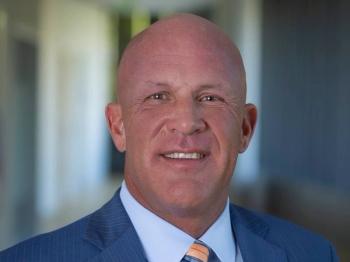
Allen, who took the post in December, talks with Chief Healthcare Executive about his hopes of sustaining the workforce, the greater need for partnerships, and value-based care.

The Federal Trade Commission was investigating the planned merger, saying it would raise prices and reduce services for patients.

CommonSpirit is ending its partnership with AdventHealth after nearly three decades, and purchasing Steward's hospitals in Utah.

CVS, Walgreen’s, Amazon and Walmart have all purchased primary care organizations. Hal Andrews of Trilliant Health talks about the changing landscape and what it means for health systems.

The step comes after CVS announced plans to buy Signify Health, a network of doctors delivering care to patients at home. And it’s another example of a retailer entering the primary care market.

The two companies are leaders in medical liability insurance. They hope to close the deal in the second half of 2023.
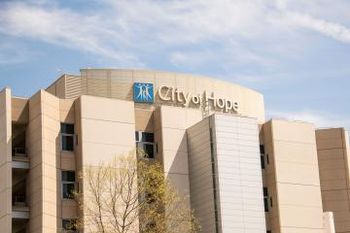
After acquiring Cancer Treatment Centers last year, the facilities will now all be under the City of Hope umbrella. CEO Robert Stone says the system is looking to serve patients nationwide as 'one City of Hope.'

After a spectacular 2021, funding dipped sharply in 2022, according to an analysis by CB Insights. The number of mergers and acquisitions also tumbled.

Healthcare organizations need to weigh many factors when deciding if it’s time to find partners, analysts say.

Some systems will seek partners out of opportunity or necessity. Anu Singh of Kaufman Hall talked with Chief Healthcare Executive about the outlook for deals in the year ahead.

With the deal, the combined company says it’s providing software solutions, from patient flow to automation, to more than 180 health systems.

Most investors said they see more dealmaking taking place in the coming year, according to a new KPMG report. Inflation and rising interest rates pose challenges, but the difficult environment could spur more M&A activity.

Cooper, based in Camden, N.J., is the much larger system, and Cape Regional said the market is becoming tougher for smaller systems. Analysts expect more smaller systems will be seeking partners.

In an interview with Chief Healthcare Executive, he discussed one of healthcare’s biggest deals, helping doctors, and solving problems for hospitals.

It’s being called the biggest acquisition in the healthcare sector of 2022. Amgen touted the chance to expand its portfolio to include more drugs treating rare diseases.