

































In other news, Akron Children's Hospital names new academic leader, UCLA's cancer center names new diversity chief, and others take new roles.

In other news, Akron Children's Hospital names new academic leader, UCLA's cancer center names new diversity chief, and others take new roles.

The American Medical Association issued a statement saying the opinion could lead to government interference in the doctor-patient relationship. Other healthcare organizations have denounced the draft.

A new federal report sheds more light on the challenges health systems have faced during the pandemic and the prospect of an even greater shortage of doctors and nurses.

Some have issues with access, while others aren’t sure they’ll get quality care, according to a report by McKinsey & Company.

The group is aiming to improve dermatology, since some doctors aren’t adept at treating conditions on patients with dark skin.

The latest Kaufman Hall report indicates health systems are rebounding somewhat after a very difficult start to the year, but they have a long way to go.

Researchers found that less than half of 61 cancer centers studied were complying with federal regulations on price disclosures. Some cancer centers also had substantial markups.

Healthcare executives must prioritize strategies that help overcome the resource challenges facing clinical research departments.

There are ways to improve collections without exhausting your workforce.

UW Medicine’s longtime CEO announces plans to retire, Boulder Medical Center hires its first female chief executive, and more leaders take new positions.

The president and CEO of the Bizzell Group talked about going directly to patients and the need for a more diverse workforce. He also talked about the importance of improving COVID-19 vaccination in minority communities.

Black women and women over the age of 45 are at particularly high risk, according to a new report. Hypertension can lead to serious complications.

Providers must engage patients outside of appointments, Linnert said in an interview with Chief Healthcare Executive. Health systems can use their data to connect with patients.

Hospitals are paying far more for labor and supplies compared to pre-pandemic times, according to a new report from the American Hospital Association.

The threat is real, says Heath Renfrow, chief information security officer at Conversant Group. Healthcare organizations generally aren’t where they need to be when it comes to cybersecurity.

The lawmakers said they’re concerned about the pace of the research and say the agency should be focusing more on treatments to help patients.

In other news, Baptist Health System chooses a new hospital president, Providence announces a new top digital officer, and more leaders enter new roles.

Six healthcare organizations have formed a partnership to tackle issues such as employee well-being, diversity and inclusion, and leadership development.

Hospitals are under more pressure to reduce emissions and make better choices in the supply chain. Gary Cohen, president of Health Care Without Harm, recently outlined ways health systems can make changes.
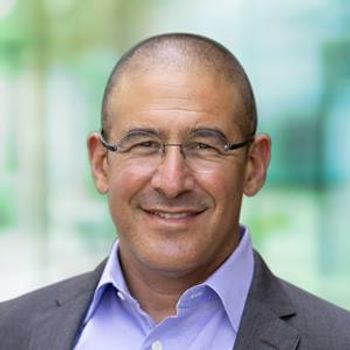
In an interview with Chief Healthcare Executive, Harrison discusses his goals with the merger and his hopes to transform healthcare.

Sen. Bob Casey and Sen. Chuck Grassley are pushing the bipartisan measure. Many rural hospitals are struggling financially.

The president of the medical center, Robinson has announced plans to retire. In an interview with Chief Healthcare Executive, he talks about the lessons he has learned and shares his advice for other leaders.

More nurses are reporting violent incidents, according to a poll by National Nurses United. Nurses also said staffing problems are getting worse.

As Earth Day approaches, health systems should reduce the impact of their goods and services. The hospital supply chain is filled with opportunities for improvement.

MD Anderson Cancer Center chooses a new diversity officer, WVU Health names a new hospital leader, and more leaders are announced.