

































Many say concerns about violence are affecting their ability to deliver care, and that they don’t see their organizations viewing their safety as a high priority.
Many say concerns about violence are affecting their ability to deliver care, and that they don’t see their organizations viewing their safety as a high priority.

Millions are expected to lose coverage in the coming years, and some hospitals are already making plans. Industry leaders say hospitals can’t afford to wait.

Erik Swanson of Kaufman Hall talks about the rising financial pressures health systems are facing, including more without insurance or underinsured, and rising expenses.
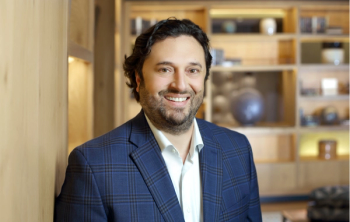
Executives expect to spend more on AI and are focused on funding for new markets or patient acquisition, according to a new report from Sage Growth Partners.

Work requirements and state policies could mean 5-10 million may no longer be covered, according to the Urban Institute and Robert Wood Johnson Foundation.
The American Hospital Association cited the billions spent on claims in its annual Costs of Caring report. Hospitals are also seeing more patients and sicker patients.

Health systems will need to find ways to be resilient in the face of mounting challenges, says Vince Vickers of KPMG. And he says AI will help, but it’s not a panacea.

Hackers are increasingly looking at the many vendors hospitals use, and organizations that are viewed as easier to penetrate.

The high court tossed most of President Trump’s tariffs, but health systems still don’t have clarity over ongoing policy or the potential for rebates, experts say.

In an interview with Chief Healthcare Executive, she says the healthcare industry isn’t financially sustainable, a tipping point is coming, and hospitals are at risk.

Dr. Peter Slavin will participate in a discussion on how hospitals can manage in a challenging environment during the digital health conference this month.

There is some optimism for more mergers and acquisitions in the year ahead. But the level of the rebound is unclear.

Steve Wasson of Strata Decision Technology talks with Chief Healthcare Executive about why some health systems are confident and some of the problems they will face.

Payers have shorter timelines on prior authorization. Hospitals and physicians say they’re hoping for improvement in a process that delays treatments.
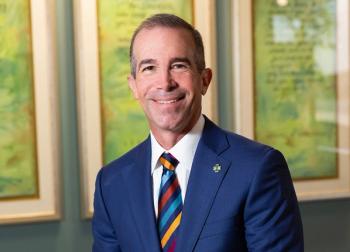
Erik Wexler, president and CEO of the Catholic health system, talks about the work to improve the system’s financial performance.

A judge issued an order temporarily blocking the Trump administration from moving ahead with the program. Hospitals said the rebate model would impose added costs.

An investment in improving or maintaining a top rating from the Society of Thoracic Surgeons can yield a significant return.

Rising costs make it harder for Americans to get care, and variance even in the same market may draw more scrutiny in the coming year.
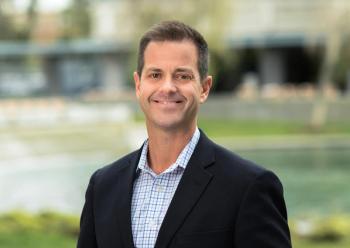
Providers must prepare now for the influx of self-pay patients, and additional administrative and documentation requirements.

The two Delaware Valley hospital systems say it’s a mutual decision to remain separate. They explored building a non-profit system serving four states.
Even with solid volume, hospitals are facing higher costs in supplies and labor. And there’s a wide gap between financially strong providers and those that are struggling.

Peyman Zand of CereCore outlines the importance of aligning IT initiatives with the goals of the organization.

Shifting the financial success metric from margin per patient to overall health system revenue margin represents a more sustainable strategy.

CIOs believe AI offers transformational benefits. Yet realization of that promise hinges on having a deliberate strategy.

With the launch of the new TEAM model in July, some health systems may be struggling to be ready. Here are some ideas that could help.