






























Memic Innovative Surgery, an Israeli-based company focused on robotic surgical technology, touts its new device for gynecological procedures. The Hominis Surgical System is now in use at three hospitals.
Memic Innovative Surgery, an Israeli-based company focused on robotic surgical technology, touts its new device for gynecological procedures. The Hominis Surgical System is now in use at three hospitals.

There are a few standouts, but most states have too many restrictions, according to a new report.

Therapists in the United Kingdom showed enthusiasm for video consultations, but they said instruction is lacking. They also said remote rehab may not be suited for some patients.

The company said nothing replaces human contact, but a novel health analytics platform could propel ConcertoCare’s growth.

As more care is shifted to the home, payers must support better reimbursements for providers, Greenstein said.

Telehealth has emerged as a significant component of the healthcare landscape during the COVID-19 pandemic. Regulators will need to take action to ensure access to telemedicine beyond the pandemic.

At the end of the day, it’s all about meeting the needs of patients. Take a look at our most-read stories on how healthcare systems are finding new ways to serve patients.

Take a look at these stories and features examining the technology that’s changing the healthcare industry.
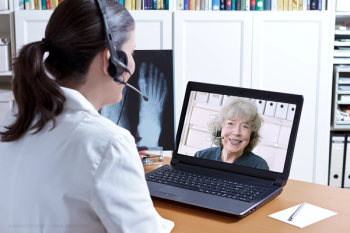
Over the past year, leaders are putting more focus on virtual care, home-based options and the increased use of data.

Look back at some compelling stories and interviews about emerging technologies and solutions in the healthcare industry.

These were CHE's most popular podcasts over the past year. Check out these fascinating conversations.

Over the past year, CHE examined the challenges of vaccine mandates, payments, staffing, and improving data and technology. Check out these stories from the past year.

Andy Colbert, senior managing director at Ziegler, looks at opportunities and areas to watch in the coming year.

Oracle bought Cerner in a $28 billion deal, giving the software giant a bigger presence in healthcare. It could inspire other tech companies to make moves.

Analysts say the deal could accelerate the move to the cloud. The companies say they will enable doctors to spend less time on records and more time with patients.

The company touts a new patient-centered token as a tool to produce better research and transform healthcare.

Gov. Larry Hogan ordered hospitals to postpone non-urgent procedures when COVID-19 hospitalizations exceeded 1,200. Maryland joins other states taking similar steps and struggling to contain the latest surge.

Two out of three consumers said they didn’t think large hospitals were as careful as they should be with their personal and payment information.

Telehealth use surged due to the COVID-19 pandemic and many patients welcomed the option. But a new survey shows some patients prefer in-person visits for some of their needs.

The surging market reached $23 billion in 2020. It’s expected to grow five times larger by 2025.

More than a dozen organizations are urging lawmakers to permanently protect access to telehealth services. The government has eased restrictions but the waivers are only in place during the COVID-19 public health emergency.

Financial leaders of healthcare systems outlined some of the challenges in reducing unexpected bills in a new survey.
Medicare reported 52.7 million telehealth visits in 2020, up from 840,000 in the previous year. But virtual visits varied among states and different groups of patients.

Essen teamed up with Verustat to monitor patients in their homes. Essen’s founder calls the partnership a “game changer.”

Officials said the new site, which went live Wednesday, should become a valuable resource for healthcare providers.