





























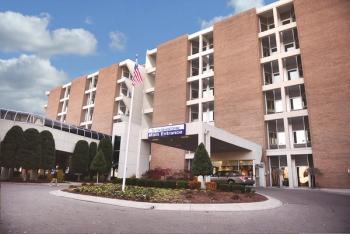
Med Center Health says it expects to add Logan Memorial Hospital to the system in July.
Med Center Health says it expects to add Logan Memorial Hospital to the system in July.

Oregon Health & Science University and Legacy Health have signed a deal to come together, under the banner of OHSU Health.
In an interview with Chief Healthcare Executive®, Roxanna Gapstur talks about keeping pace with the rapid changes in healthcare and planning for the future.

The Biden administration has established minimum staffing levels for long-term care facilities. Nursing homes have sued to block the rule, but the AARP is launching a campaign to defend the federal requirement.
Cedars-Sinai announces three appointments to its leadership team, and other executives tackle new challenges.
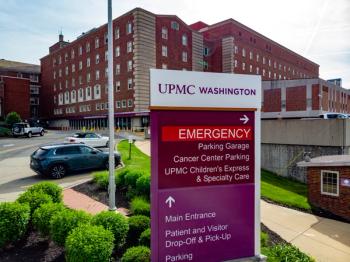
The state attorney general signed off on UPMC’s plans to acquire the Washington Health System, and officials say the deal is done. Washington says the deal is crucial to the system’s survival.
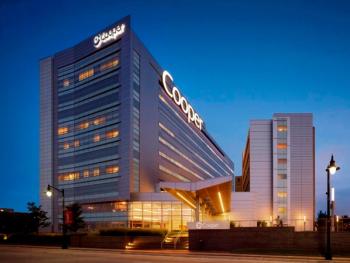
Cooper University Health Care and Cape Regional Health System are planning to come together. A state court has signed off on the deal.

Nicole Rogas, president of symplr, talks about the importance of hearing diverse opinions, helping employees feel supported, and unifying teams around a vision.
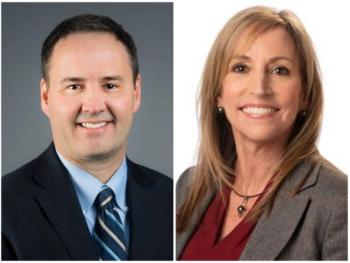
Samaritan Health Services and Santiam Hospital & Clinics say they are planning an affiliation.

A federal appeals court ruled in favor of two drug companies in a dispute over a federal program offering lower prices on outpatient drugs. Hospitals say drug companies are improperly curbing discounts.

Overlake Medical Center & Clinics and the MultiCare Health System have signed an affiliation agreement. When the deal is finalized, Overlake will become part of MultiCare.
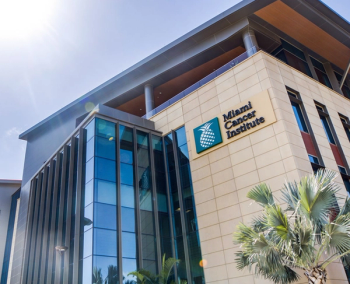
The institute, part of Baptist Health South Florida, has come a long way in a short time. Dr. Leonard Kalman, Miami Cancer Institute’s chief medical officer, talked with us about the journey.

Prime Healthcare says two facilities in the Philadelphia area are making the transition.

The Pennsylvania hospital systems have signed an agreement to come together. The merged organization would run 30 hospitals and become one of the nation’s 15 largest nonprofit health systems.

Some are reducing hours, or simply leaving jobs, because of the difficulties in managing work and caregiving, according to a survey by AARP and S&P Global. Employers can do more to help workers.

The health system continues to work to recover from a ransomware attack. Some hospitals continue to divert ambulances.

OSF HealthCare and Katherine Shaw Bethea Hospital are negotiating with plans to come together.

The Catholic health system says it’s continuing to work to restore systems, but there’s no timeline for full restoration.

The Catholic health system disclosed that the attack is affecting patient care, and some appointments are being postponed. Key systems are now offline.
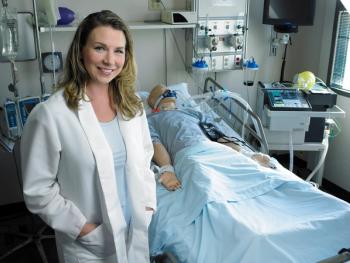
Facing overwhelming workloads and rising violence, some nurses are leaving hospitals. Jennifer Mensik Kennedy, president of the American Nurses Association, talks with us about the struggles of nurses.
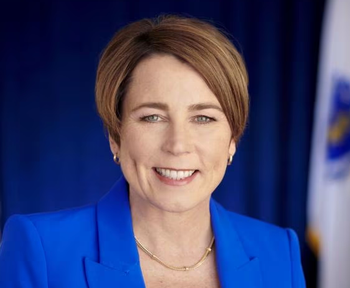
The Texas-based system operates 31 hospitals in eight states. Steward is placing all of the hospitals up for sale, attorneys said in court.

Alicia Jackson, founder and CEO of Evernow, discussed the importance of finding the right people to help young companies grow and succeed.

The potential elimination of non-compete agreements could add to labor costs, but it also could boost the pool of talent, Fitch says.
The Change Healthcare cyberattack shows how health systems are extremely vulnerable to breaches involving their vendors.
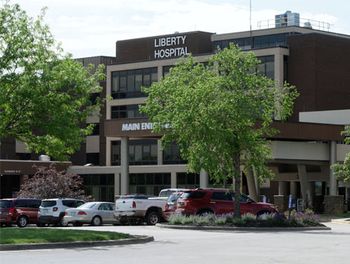
Liberty Hospital has agreed to join the University of Kansas Health System. Missouri officials had initially voiced concerns.