
































How technology can tackle lagging diversity and inclusion in healthcare.

How technology can tackle lagging diversity and inclusion in healthcare.

The tech can speed up the diagnosis process and lead to earlier treatment.

Patients and providers can use the platform to learn about recovery and get educational information or emotional support.

Catching lung cancer early could lead to better treatment and management of care.

The data could help researchers design real-world studies in patients with a range of different cancers.

Data Book discusses how leaders can ignore noise and embrace effective healthcare technology.

Your guide to cutting down the number of clicks in your EHR.

Healthcare information exchange could empower patients to participate in the development and evaluation of med tech.

The team hopes to create AI that has positive effects on real-world applications.

The new company will retain the Datica name in its quest to foster secure data exchange.

Automated data collection can help health systems in more ways than one.

50% of participants see the tech as a great opportunity, while others see it as a danger.

Shorter rotations also resulted in increased job fulfillment among critical care physicians.
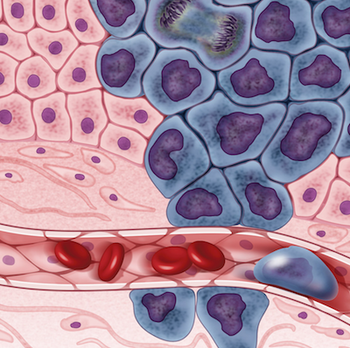
A new deal between Adventist Health and CancerIQ will make it easier for physicians to identify patients with increased genetic risk of cancer.

The frequency of genomic variants associated with specific diseases can differ from one population to another.

Physicians and healthcare executives need to take action independent of a bill to protect patients' health data.

The tech could help providers identify problem claims prior to denial.

The software could improve the confidence, quality and speed of pathology.

Electronic monitoring of a patient’s rescue inhaler could help avoid hospitalization.

The AI tool had a sensitivity of 97.24%.

The data were stored on an open and unsecured database that can be accessed by anyone.

An unauthorized individual gained access to two employees’ email accounts.
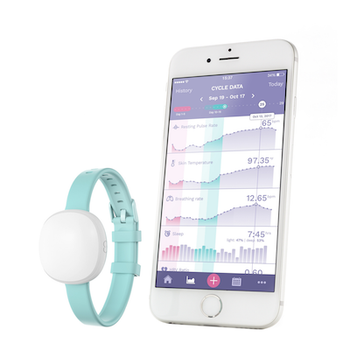
A new fertility tracking device aims to help women determine the most fertile days of their cycle.

The collaboration could give patients more control over their health and accelerate the discovery of new therapies.

Physicians changed their treatment decisions in 13.6% of cases thanks to Watson for Oncology.