
CEO Judy Faulkner rebuffed him almost instantly when he suggested that the two companies could work together.
CEO Judy Faulkner rebuffed him almost instantly when he suggested that the two companies could work together.
In addition, participation in a bundled payment program will be limited. The CMS acknowledges that it will save $106 million less than it could have because of the decision.
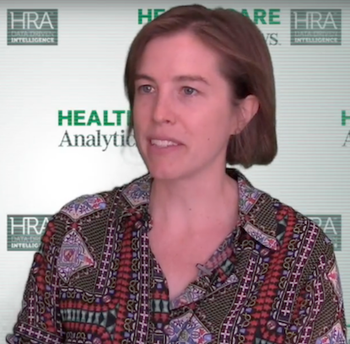
“There's a wonderful opportunity for computational biologists and people with computer science backgrounds to have an impact on experimental immunology."
The research produced impressive results, but the company acknowledged certain limitations.
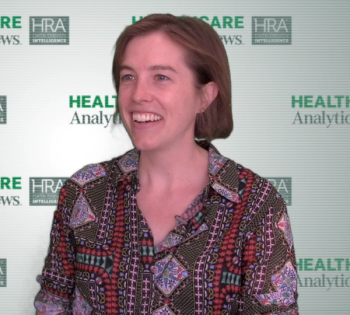
Genomic research, according to Miraldi, is a big data problem, and one that can continually offer insight and inspiration.

The health IT company won its second and third federal contracts of the year.
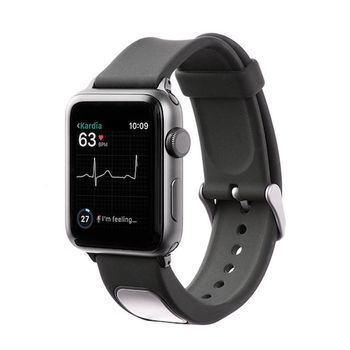
The Watch could tell you if your heart rate was irregular, but the KardiaBand can deliver an approved EKG in 30 seconds.
DNA tests may be selling well in advance of the holidays. This week Senator Chuck Schumer cautioned about how they may use consumer genetic info.
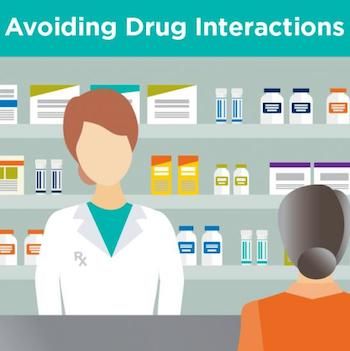
Only a third of Americans over the age of 50 reported speaking to anyone about possible prescription interactions in the past 2 years.

Dozens of Indiana hospitals implicated in new class action suit alleging CMS reimbursement fraud.
To increase value, doctors need to de-adopt procedures that provide little of it. A new study found that they have ample room for improvement.

Several studies have used AI to detect mental health conditions from social media activity. Now, Facebook has announced it is implementing interventions.
Doctors from New York Presbyterian make the case for the “medical virtualist.”

As the importance of big data in healthcare grows, so too will the market for cloud computing services.
Some companies court the comparison, while some have it foisted upon them.

The tech can help with liability issues, but it is rife with patient privacy landmines.

As 2017 winds to a close, here’s a look back at a half-dozen particularly illuminating discussions about analytics, AI, the opioid crisis, and more.

Several developments from 2017 promise to change, and hopefully improve, healthcare for veterans. Here are the top 4.

“We’re looking at it with a lot of excitement, not a lot of fear and dread."

Researchers from the University of North Texas found that a game may work better than waiting around for healthcare to get less confusing.

The move will also benefit the technology, since Constant Therapy is dependent on user data to continually shape its therapies.
Users consider digital patient portals very useful for helping family members manage their care. A new study argues that access sharing should be encouraged.
Understanding how patients use opioids could be key to understanding the opioid crisis. Researchers have a new tool for tracking the pills.
Nobody wants "cookbook medicine." Via Oncology CEO Kathleen Lokay explained why treatment pathways aren't that.

The program, DrugPredict, searches through hundreds of thousands of chemical combinations and pairs them with diseases they might be able to fight.
Licensed audiologists can now remotely adjust the devices, reducing the need for in-person adjustments.
The ambitious precision medicine initiative looks to sequence 1 million Americans to inform public health.

“It’s so frustrating when members of Congress who know nothing about medicine try to pass a law like this."

Michael Kolodziej, MD, is an oncological analytics veteran. He painted oncology’s approach to value as fundamentally broken, and offered ways to improve it.

“We are at an inflection point when it comes to the reductionist design process."