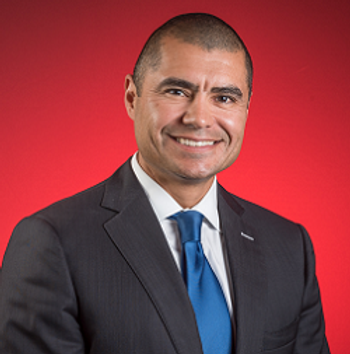
Lucio Fragoso, the CEO, says the system is working to improve the health of children and is creating a ‘well care model.’
Lucio Fragoso, the CEO, says the system is working to improve the health of children and is creating a ‘well care model.’

Emory Healthcare and Houston Healthcare have signed a letter of intent to come together. Houston would become part of Emory.

Tim Walz, Barack Obama and others talked about reproductive health rights, lowering costs, and prescription drugs throughout the Democratic National Convention.
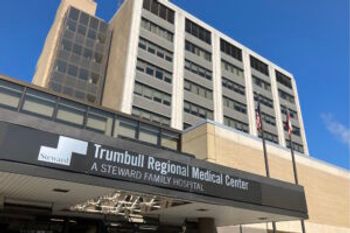
Steward Health Care announced the planned closure of Trumbull Regional Medical Center and Hillside Rehabilitation Hospital.

The Federal Trade Commission rule would have prohibited such pacts, but a federal judge says the FTC lacks the authority. Doctors backed the rule and expressed disappointment.

Iredell Health System has reached a deal to buy Davis Regional Medical Center from Community Health Systems. CHS had planned to sell the facility to Novant Health, but the plans were dropped.

Orlando Health has put in a bid to purchase three facilities owned by Steward Health Care. The landlord for the facilities has filed an objection in bankruptcy court.

Prime Healthcare is buying Ascension’s hospitals in Illinois, but the system has notified state officials it plans to shut down one facility.
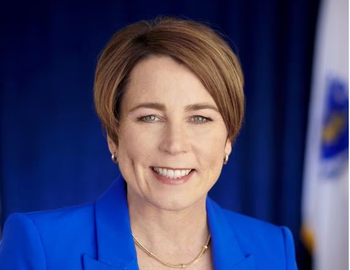
Gov. Maura Healey has announced steps to preserve five facilities run by Steward Health Care. But the plans don’t include two hospitals slated to shut down.

The Delaware hospital system announced a partnership to develop a host of outpatient facilities across the mid-Atlantic. Atlas has formed similar pacts with other health systems.

They are invaluable institutions in their communities, and many could disappear, analysts say.

Penn Medicine has signed a definitive agreement to acquire Doylestown Health, a provider in the Philadelphia suburbs.

Hospitals are seeing better margins and are getting labor costs under control, but labor expenses remain high and some providers are struggling mightily.

Pediatric facilities still face a challenging environment, according to Fitch Ratings.
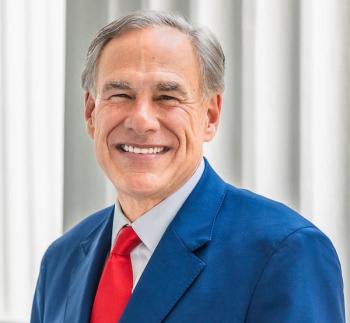
Gov. Greg Abbott is directing hospitals to collect information regarding the cost of providing care for those who aren’t legally in the U.S. Critics say it could result in people avoiding medical care.

Republican and Democrats are sponsoring the measure to avert reductions in a key program to support safety-net hospitals.
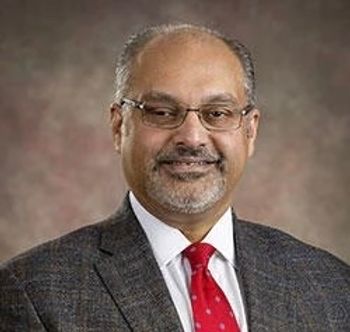
Imran Andrabi, MD, president and CEO of Froedtert ThedaCare Health, talks about the integration of the systems, expanding access to care and the desire to innovate.

UCSF Health has now acquired two San Francisco facilities from Dignity Health. The completion of the deal follows an agreement with the California attorney general’s office.
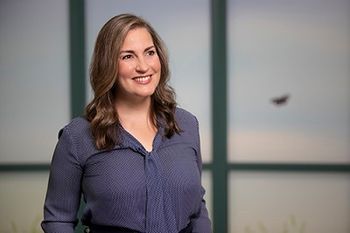
The hospital received recognition from the Joint Commission for its efforts. Danielle Barry of Valley Children’s talks about the key ingredients.
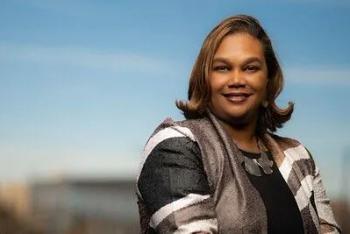
The MetroHealth System’s board announced it was terminating Dr. Airica Steed while on a leave of absence. Her lawyer says she was ‘blindsided’ by the system’s action and is weighing all options.
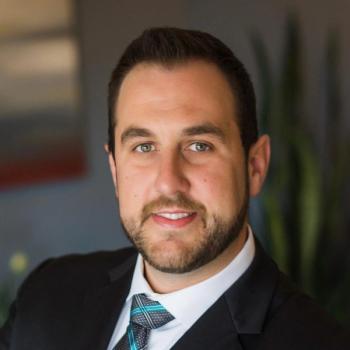
Travis Moore of Indeed shares insights on top priorities for workers, and what employers should be doing to attract and keep talent.

Michael Bloomberg announced the gift to four historically Black medical colleges. School leaders called it a transformative gift that could close disparities in care.

The pediatric health system unveiled its newest hospital this week, and construction continues on another new acute care facility.

The McLaren Health Care system says disruptions to computer systems are the result of a cyberattack. The system also suffered an attack last fall.
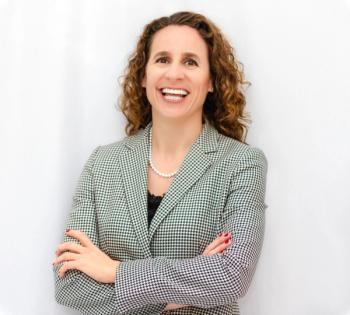
The healthcare technology company has released new offerings in urgent care and women’s health. Nele Jessel of athenahealth talks about how the company wants to meet the needs of specialists.

Community Health Services is selling the facilities to WoodBridge Healthcare in a $120 million deal. Pennsylvania officials expressed optimism about the sale.
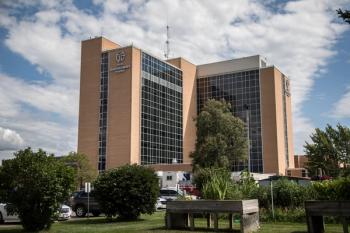
A new report sheds more light on the growing risks to small hospitals that are vital to their communities.

A ransomware attack disrupted systems at a blood center serving the southeast. The weather impacts have compounded problems.
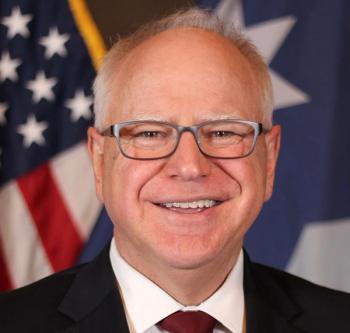
Vice President Kamala Harris selected the Minnesota governor to be her running mate on the Democratic ticket. Here’s how he has tackled key health issues.

MyMichigan Health has purchased the facilities, along with a surgery center and associated physician practices, from Ascension Michigan.