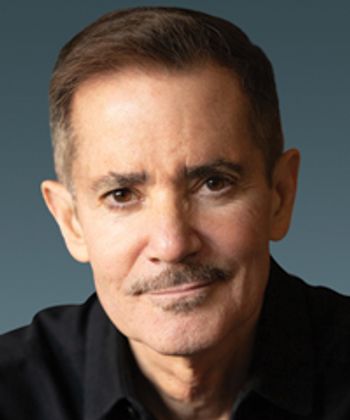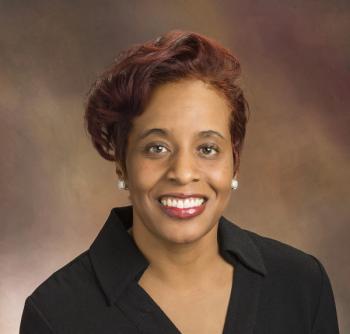
Dr. Angela Ellison of Children’s Hospital of Philadelphia talks about the journey, how doctors can thrive, and how hospitals can help.
No shiny object can distract from the fact that a happy workforce is every exec’s best asset.
, health information technology (IT) executives have plenty to worry about. But perhaps no elephant in the room is as large or looming as the toll that all these new phenomena can take on their human workforce.
By many estimates,
Physician burnout, stress and suicide are front of mind for doctors, so they should be for executives too, according to Janae Sharp, consultant at
“There are multiple factors involved in physician suicide,” Sharp said during a March 8 presentation at
Few would disagree that EMRs have been problematic and have changed the game for doctors (many docs report spending considerable chunks of their personal time feeding EMRs with data), but they are mostly a scapegoat for a larger issue, according to Melissa McCool, founder and CEO of
In part because of EMRs, most docs are “only doing actual medical care 32% of the time, so they’re certainly more prone to burnout because of them,” McCool said on the stage alongside Sharp at HIMSS. “But in my mind, they’re a proxy measure for physician dissatisfaction. [Doctors] expected something, and actually practicing medicine is not what they expected.”
The root of those unmet expectations? For Sharp, it’s layers upon layers of regulation. From
“All the healthcare administrators and physicians shout with joy that they get to implement new quality measures and new metrics,” Sharp joked. The measures “may, or may not—and mostly do not—have anything to do with their actual job, the actual care of patients. No matter how well intended, these increasingly irrational laws will continue to drive burnout.”
These “well intended” regulations often reach physicians through EMRs, hence why EMRs draw ire from so many physicians. But “it’s not the EMRs’ fault, it’s the government’s,” Sharp argued.
To stay compliant, physicians are forced to work longer hours and spend less time with patients. In a roughly 12 hour workday, research cited by Sharp and McCool showed physicians are spending about 52% of their time managing EMRs, and just 32% on medical care. It can result in a disengaged workforce, disengaged patients, poorer patient outcomes, and lost capital and opportunities.
Even in light of evidence that maps the pathways to suicidal ideation among physicians, it’d be unwise to suggest that executives turn back the clock and rid hospitals of EMRs or the regulations that steer them. Instead, decision makers should find ways to destigmatize burnout and empower their workforce personnel to build support networks.
“Physicians are humans. They have regular lives and stuff going on outside of their work settings. They don’t want to think that there’s something fundamentally wrong with them,” McCool said. “And now, they’re penalized for seeking help.”
The American Medical Association wised up to this fact in 2016, when they asked state medical boards to stop inquiring about past psychiatric treatments on license applications. Some hospitals plan to reduce physician burden by hiring scribes to handle EMRs, and implementing voice recognition tech to facilitate data input. Others are building self-awareness education programs, discussion groups, and taking the time to recognize the emotional impact inherent in holding another human’s life in your hands.
For executives, there’s simply no surer way to increase quality of care and reduce expenditure than investing in the wellbeing of their staff, Sharp and McCool concluded.
“When physicians are stressed out, they can’t be there for people who need them. They perform less care and they’re more likely to quit their jobs,” Sharp said. “That affects the entire population.”
Get the best insights in healthcare analytics
Related Coverage >>>