He talks about a new consortium of hospitals working to use AI to improve imaging and how health systems should be looking at AI.
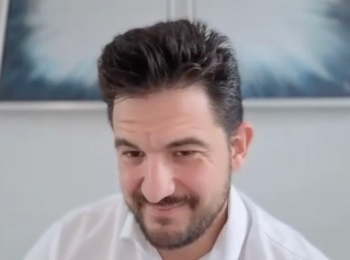
Dr. Vanessa Diaz of MUSC Health talks about digital transformation in the latest episode of Data Book, a podcast from Chief Healthcare Executive.
There’s no denying that patients are expecting more convenience from their health systems.
Dr. Vanessa Diaz, a physician leader at the
She talks about the digital transformation needed to provide more access in the latest episde of Data Book, a podcast from Chief Healthcare Executive.
“If we can have self-serve kiosks at the grocery store, at the airport, one-click shopping at our internet sites,” she says, “why in healthcare can't we have that same level of convenience? Why do I have to be on the phone, call somebody, wait 15 minutes, and go through a lot of steps to be able to book my appointment? Why can't I just figure out who I want to see and then be given those options, right?
“So I think it's great that they're holding us accountable, because I do think that the more convenient our care is for our patients and the more access they have to us, the better we are at forming that collaborative relationship that is going to improve their care,” Diaz says.
A family physician, Diaz says patients seeking primary care appointments want scheduling to be easier. MUSC Health has undertaken a host of initiatives to improve online scheduling and make it easier for patients to find what they need.
As health systems undertake digital transformation efforts, Diaz stresses the importance of getting input from physicians in designing those tools.
"It's getting that level of trust where people can tell you, ‘I think this is a really bad idea, and this is why,’ and you can have that conversation,” Diaz says. “And sometimes they're right, and sometimes they're not. But at least that way you can talk about it, and so then at the end it comes down to really having clear values and principles for what you're doing.
“And I think that's one thing that I've really tried to engender in our folks,” she adds.
“They know at the end of the day, my first thing is always patient care. Is this going to be better for the patient? After that, what about our providers and staff?”
Diaz highly endorses implementing new digital solutions gradually, an approach MUSC Health utilizes.
“No matter how much you planned and how many contingencies you thought of, there's always a glitch you did not consider or something that is unexpected,” she says. “So we always phase it out, we figure out what the glitches are.”
MUSC Health has developed a digital transformation team that tackles the technology needs while balancing clinician input, and she says that’s an approach other health systems should utilize.
“This is definitely something that I would recommend to any health system, any leader, because you need to have a team that is interacting both with the technology and with the providers … I can go to them and say, these are my pain points,” Diaz says.
Check out the podcast for more insights on how MUSC Health is improving access for patients and also supporting its clinicians, and other tips on making digital transformation work for patients and staff.
Reminder: You can subscribe to Data Book wherever you get your podcasts.