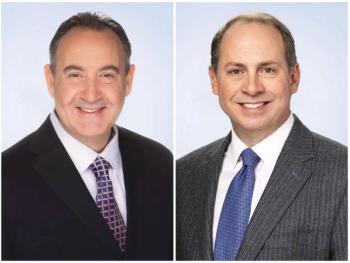
Dr. James Merlino, who takes over as CEO next year, talks about working in partnership to help hospitals improve.
A federal judge sided with five Florida hospitals who challenged the methodology. The Leapfrog Group has appealed the decision and said the ruling has implications for free speech.
The Leapfrog Group’s hospital safety grades have gained increased recognition in recent years, but the organization is now engaged in a legal battle over its report cards.
Five Florida hospitals owned by Tenet Healthcare Corp. filed a lawsuit arguing that the Leapfrog Group report cards unfairly penalize those facilities who don’t complete its surveys. A federal judge in Florida sided with the hospitals in
The judge ordered the Leapfrog Group to remove grades for the five hospitals over the previous three report cards (Fall 2024, Spring 2025 and Fall 2025). The hospitals received grades ranging from “D” to “F” in those Leapfrog reports.
The Leapfrog Group now says it will no longer assign any grades to hospitals that don’t participate in Leapfrog surveys.
“It's certainly about speech,” she says. “I mean, it certainly has to do with whether ratings organizations can go forward, and whether they can be just subject to scrutiny from a judge for any aspect of their methodology, how they rate.”
“I think what we are hearing is that that's of great concern to a whole wide variety of ratings organizations, whether in healthcare or not. So we certainly do see that as having some impact on the First Amendment,” Binder says.
About the ruling
The five hospitals who filed the legal challenge are in Tenet’s Palm Beach Health Network: Good Samaritan Medical Center, Delray Medical Center, Palm Beach Gardens Medical Center St. Mary’s Medical Center, and West Boca Medical Center. The hospitals filed the suit last year.
In his ruling, U.S. District Judge Donald M. Middlebrooks noted the Leapfrog Group was founded with a laudable mission of improving healthcare and protecting patients, but he said the group “has strayed from these founding principles.”
The judge found that the Leapfrog Group improperly gave lower scores to the hospitals for refusing to participate in the survey.
“Leapfrog does not have a right to the benefit of Plaintiffs’ participation; conversely, it does not have the right to punish them when they have not received that benefit,” Middlebrooks wrote.
Maggie Gill, eastern group president of the Palm Beach Health Network, said in a statement to the media that the safety grades are unfair and confusing to patients.
“We are confident the court’s decisive ruling will be upheld, and Leapfrog will not escape accountability for harming our patients and our community hospitals,” Gill said in a statement. “Our focus remains on advancing transparency, accuracy, and fairness for the benefit of patients and the broader healthcare system. We encourage Leapfrog to put patients first and focus on reforming its methodology to be fair and responsible.”
The hospitals said they didn’t seek monetary damages in the lawsuit but sought to change the Leapfrog Group’s actions.
The judge noted in the suit that each of the five Florida hospitals saw declines in walk-in traffic after receiving lower grades in the Leapfrog Group’s recent report cards.
Middlebrooks also wrote that the Leapfrog Group’s reports could harm patients by delaying care or traveling farther to other hospitals, and could sway doctors and nurses in choosing where they want to work.
“Leapfrog’s practices harm the hospitals, insurers, employees, and patients; the only beneficiary of this methodology is the Leapfrog itself,” Middlebrooks wrote.
‘It certainly is frustrating’
The Leapfrog Group said its Spring 2026 hospital report card offers grades for 2,400 hospitals who did participate in its survey, and the organization says that indicates their value to many hospitals and health systems.
Founded in 2000 by employers and large healthcare purchasers, The Leapfrog Group is a nonprofit organization that has said it strives to be a watchdog for patients. The group issues its hospital report cards twice a year, in the spring and fall.
Many hospitals tout their performance in the group’s safety grades in advertising and marketing to demonstrate their quality.
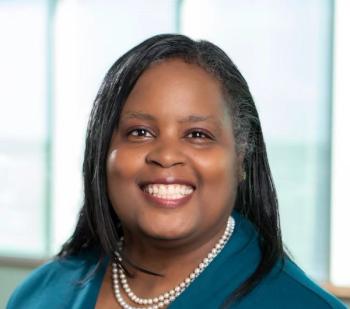
Binder says she was surprised by the judge’s decision in the case.
“It certainly is frustrating, but I think it's mostly frustrating for the public that's served by these hospitals,” Binder says.
“Our strong belief is in transparency and the importance that all Americans have access to information about how their hospitals are doing,” she says. “But that said, we have a lot of support for that view, within the provider community, too, among hospitals. Some of them actually have really stepped forward to say, they really want to be graded. They really want to be accountable directly in the public eye to the public they serve. And so, you know, that's been heartening to us.”
In its new report card, the Leapfrog Group notes that hospitals have made progress in reducing infections and preventing accidents that could harm patients.
Binder also says she’s been disappointed by misinformation surrounding the legal battle. She says that the group doesn’t sell consulting services to hospitals, and has never sold such services.
“We don't know how to run hospitals,” she says. “We don't pretend to. It's a hard job. We admire the people who do it, especially those who do it well, but our focus is on ratings and measurement and trying to create more transparency in the American healthcare system.”
Binder says she thinks the Leapfrog Group has made an important contribution in raising support for more transparency in hospital performance when it comes to safety.
“Everyone in the healthcare provider community now realizes that being transparent is just part of the job when you are delivering such an important service to people, which is their healthcare,” Binder says.
While Binder says the court ruling was disappointing, she adds, “It's also been heartening to see the level of true commitment to transparency that's out there, from a whole, wide variety of partners that have stepped forward to support the Leapfrog agenda for transparency.”