The question isn't whether to let AI into the patient journey. It's whether health systems will earn a seat in that conversation.
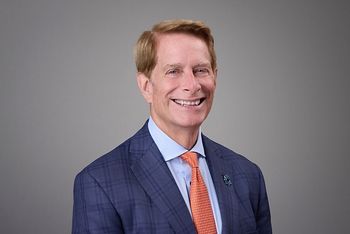
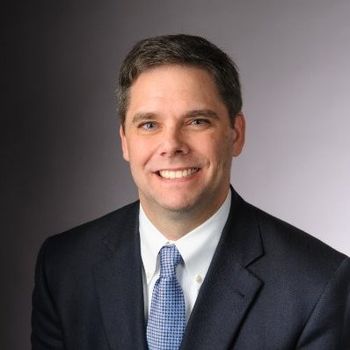
Dr. Jonathan Perlin will step down at the end of 2026, and Dr. James Merlino, the COO, will succeed him. They spoke with us about the transition.
During his tenure as president and chief executive officer of The Joint Commission, Dr. Jonathan Perlin led scores of important initiatives, but he’s being credited with one singular accomplishment.
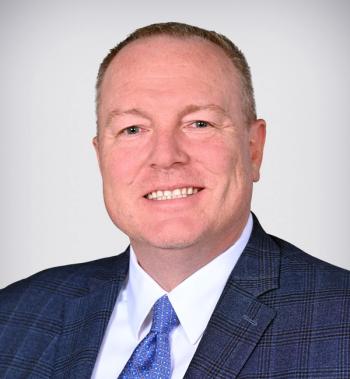
Perlin restored the commission’s relevancy, according to Dr. James Merlino, who has been chosen as his successor.
“He has transformed the Joint Commission, absolutely transformed this organization,” Merlino says. “He's made it relevant again.”
The Joint Commission announced Wednesday that Perlin, who has led the commission since March 2022, will be retiring at the end of the year.
Merlino, the commission’s chief operating officer, will take over as CEO on Jan. 1, 2027.
Both Merlino and Perlin spoke with Chief Healthcare Executive® about the leadership transition, the agency’s focus and some of the goals ahead.
A nonprofit organization, The Joint Commission is celebrating its 75th anniversary this year.
The commission accredits thousands of hospitals, health systems and healthcare organizations in terms of quality and safety. Hospitals that have secured accreditation from the commission qualify for Medicare and Medicaid participation.
In recent years, the commission has advised hospitals and other providers in areas including
Although he is stepping down at the end of the year, Perlin isn’t exactly disappearing. He will remain as a strategic advisor and hold the title of president emeritus.
During their conversation with Chief Healthcare Executive, Merlino says that he’s not going to let Perlin go away.
Before becoming COO of the commission, Merlino served as chief clinical transformation officer of The Cleveland Clinic. He also held the title of chief experience officer at Cleveland Clinic. He also previously served as chief transformation officer of Press Ganey.
As he prepares to become CEO, Merlino says the commission will look to build out a new three-year strategy. But he says there won’t be any “right turns” for The Joint Commission.
“We are on a solid footing and a very good path, and we're going to continue that path,” Merlino says. “You know, we're going to put more investment into some things because we're now ready to do that. So we have been on a technology journey. We're going to continue to invest in technology. We're going to invest in more digital tools to help our organizations.”
The Joint Commission will also invest more in patient safety initiatives.
“We've done a lot for safety,” Merlino says. “It's been part of our history for 75 years. There's a lot more that needs to be done, particularly when you look at the statistics. Safety is something that impacts not only the people we serve, our organizations; it impacts us as well.”
The commission will also spend time looking at ways to address the workforce crisis in the healthcare workforce.
But Merlino says as the commission moves forward, the focus will remain on patients, and that’s an area where he credits Perlin for his leadership.
“Bringing the patient back to the center of all that we do is going to define our work,” Merlino says.
When Perlin steps down, he’ll have led The Joint Commission for nearly five years.
He formerly served as president of clinical operations and chief medical officer for HCA Healthcare. He also held the title of undersecretary for health in the U.S. Department of Veterans Affairs.
During his tenure, Perlin oversaw the development of the Patient Safety Pathways Program, which is designed to address safety issues in 30 countries, including some with lower incomes.
When asked about how he views his contributions to the commission, Perlin says that he feels the organization has become a greater partner to health systems.
“I'm really proud of the fact that I think we've become more relevant as an organization,” Perlin says. “I'm proud of the team we've built, I'm proud of the relationships with the healthcare organizations around the country and around the world, and I'm proud of the data that we can show that we are making a difference in terms of improving quality and safety by keeping the patient at the very center.”
Perlin credits his soon-to-be successor as an innovative and important leader, and he says they share a similar trait.
“We first start by seeking to understand and by listening, and so Jim and I have been out and about,” Perlin says. “We love interacting with healthcare organizations. We learn a lot. We value greatly our relationship with the federal government.”
“We all hold a public trust, and so really listening, understanding, and supporting to help a mutual goal of improved healthcare for all is really not only advice, but it's honestly, it's a trait that I believe we share,” he says.
Similarly, Merlino lavished praise for Perlin’s work leading the commission.
“There are few people that I know on this planet that are more concerned about the human condition than Jonathan Perlin,” Merlino says. “And it's that humanism that he brings to everything that he does, and his sense of service that he brings to everything that he does, his history, that will be carried forward, because it is a beacon for what this organization represents and what our responsibility is.”
“We have an incredible opportunity to continue to help the industry, and that's how we see our role is to help the industry, help improve safe, high-quality care for people,” Merlino says.