Consumers have been fueling the rise of wearable technology, such as fitness trackers and mobile apps, to track their health as smart technology becomes more widely available. This trend has also given rise to medical wearables, or connected devices, that are able to track and enable the management of diseases, such as diabetes, remotely. In fact, research shows the number of adults in the U.S. who own a wearable device has grown from 39.5 million in 2015 to more than 178 million in 2018. Despite their wide acceptance, however, the healthcare sector has been slow to embrace the next step, remote patient monitoring (RPM), as part of regular practice.
Originally, much of the early hesitancy around implementing RPM centered on limited reimbursement opportunities and hospital requirements for offering such services. Providers seemed to question whether remotely monitoring patients would actually improve adherence and outcomes. There is a growing body of data that it does.
Another concern that created a resistance to adopting these technologies was how to make the data received actionable. In other words, providers wanted to be able to view and evaluate the data in a way that does not interrupt their workflow. Lastly, providers were concerned with the patient’s user experience with the devices.
Despite early resistance, better technologies that improve user experience and platforms that combine the remote patient-generated data into the normal clinical workflow largely ameliorate these concerns, and help the practice take on remote monitoring with little to no additional resources.
Today’s use of connected devices has shown the benefits that could stem from RPM, especially as the concept becomes a necessity to address skyrocketing healthcare costs, increased patient demand for better access to care and an aging population that is developing chronic conditions which require round the clock care.
RPM Builds the Bridge to Value-Based Care
Recently, the Centers for Medicare & Medicaid Services (CMS) has taken important steps to clarify the questions about reimbursements and requirements, enabling providers to evolve from the traditional fee-for-service model to a value-based approach. These reimbursements for RPM not only provide a financial incentive for investing in mobile and remote health monitoring technologies and delivering new revenue-producing services, but more importantly drive a stronger focus on delivering better outcomes.
An estimated 60% of the nation’s adults have at least one chronic condition, and 42% have more than one. On top of that, nearly 70% of healthcare costs can be attributed to these chronic diseases. This demands a different approach for clinical care — episodic care is not well suited to effectively manage chronic conditions. Innovative approaches to RPM can help patients by bringing healthcare to where they live and work, extending care beyond the doctor’s office into the home to get a better sense of the patient’s health through regular collection of biometric data, such as heart rate, blood glucose, blood pressure, oxygen levels, temperature and weight. RPM can also support sending reminders to patients to ensure they adhere to treatment plans, which increases engagement and improves outcomes.
Data provided by continuous monitoring can help providers maximize diagnostic code accuracy and identify and close gaps in care. Additionally, physicians can use the information to take steps to prevent additional expensive medical events, like emergency room visits and hospital readmissions. This is particularly important for high-risk patients and those with chronic conditions. For example, a recent study revealed reduced mortality rates for patients on wireless home monitoring, compared to those who were unmonitored.
Questions to Ask When Implementing RPM
With a better understanding of the benefits RPM can provide and reimbursement support from CMS, about two-thirds of the nation’s healthcare systems are taking steps to implement these solutions. But as they proceed, there are several important factors to consider.
Ideally, providers should be looking for an RPM solution that is flexible so it can meet current needs and adapt to future changes. Key features to consider include:
- Support for multiple diseases: Because providers can receive additional reimbursements for chronic care management, an RPM solution should enable practices to support multiple chronic diseases for individual patients.
- Continuous feedback loop: A platform that can provide data in real or near-real time to the clinical staff, since CMS considers passive platforms or devices — those that cannot transmit data to the care team or clinical feedback to the patient — ineligible for reimbursement.
- EHR integration: Perhaps more important than being able to transmit data in near-real time to the care team and patient is being able to do it within an existing electronic health record (EHR) workflow. Consider third-party apps that are already integrated with the EHR through SMART on FHIR to minimize logins to multiple platforms and ease the burden of frequent product updates.
- Embedded clinical decision-making support: A new term in healthcare tech, clinical decision support (CDS) hooks are programmed within a practice’s EHR workflow and can share information with third-party apps. Based on the transmitted patient-generated data and the existing clinical data in the EHR, the technology will prompt the clinician with the information they need to make more timely, personalized care decisions based on the latest guidelines.
Implementing RPM is more than a way to increase reimbursements and improve a practice's bottom line. Integrating these technologies into practice workflows can streamline workloads while giving clinicians more information to improve patient outcomes, reduce emergency department visits and hospital admissions, engage patients and establish a strong foundation for delivering value-based care.
About the Author
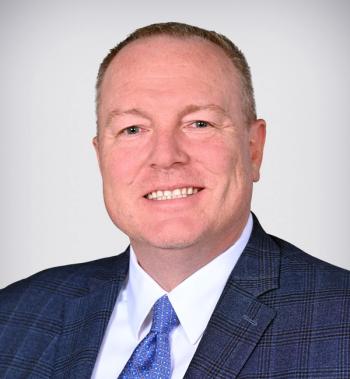
Joshua Claman is the CEO of Rimidi, a cloud-based software platform that enables personalized management of chronic cardiometabolic conditions across populations. He has over 25 years leading technology businesses in Asia, Europe and the Americas. His industry experiences span his time in Dell in several senior executive positions, including the founding and development of Dell’s European Healthcare business, to his role as president of ReachLocal, one of the largest advertising technology companies in the U.S., and serving as the chief business officer of Stratasys, a leader in 3D printing in the medical field. Josh is a strong advocate for the promise of technology.
Get the best insights in digital health directly to your inbox.
Dig Deeper
Sensors Can Adequately Monitor Low-Risk Hospital Patients at Night
Healthcare Providers Actually Want More Wearables Data
FDA Clears Current Health's AI RPM Wearable for Post-Acute Care