
A new report says nearly 700 are in danger, with 260 rural hospitals at immediate risk of closure.
Health systems are seeing shortages of chemotherapy and other drugs that could impact treatment. Dr. Michael Ganio of ASHP talks about what hospitals should know.
Health systems and hospitals are seeing shortages of cancer drugs and agents used in chemotherapy.
ASHP, the American Society of Health-System Pharmacists, tracks drug shortages and has warned about the increase in shortages of cancer medications. The increase comes even as the overall number of drugs in short supply in the third quarter of 2026 (225) remains consistent with the previous quarter.
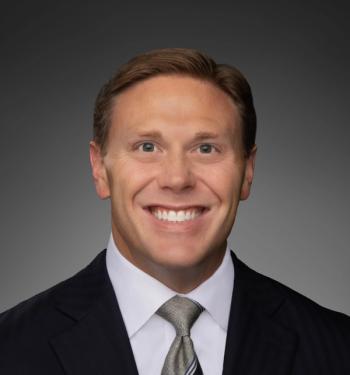
Dr. Michael Ganio, senior director of pharmacy practice and quality at ASHP, tells Chief Healthcare Executive® that a number of factors are contributing to shortages of cancer drugs. He also points to the recent flooding of a Pfizer facility in India that produces chemotherapy agents.
“There are several factors that play into shortages in general, and unfortunately, the chemotherapy drugs check a lot of the boxes,” Ganio says. “So we tend to find that sterile injectable drugs are more subject to shortages, and almost all of our chemotherapy products are sterile injectables. At least the ones we're tracking shortage of right now.”
The July flooding of the Pfizer facility in India could add to those shortages. The plant produces generic chemotherapy agents used for patients with leukemia, Hodgkin lymphoma, and colorectal, pancreatic and testicular cancer, among others, according to the ASHP. Pfizer expects disruptions with the closure of the facility to last into 2028.
“We do know for some of these oncology drugs that there is flooding at a facility in India that has the potential to exacerbate some of these shortages over the coming weeks or months,” Ganio says. “But currently, any of the shortages we're reporting should not be directly because of the flooding.”
Health systems aren’t seeing many significant disruptions to treatment, Ganio says. But he adds that there could be shortages in the coming months.
“The flooding in the facility in India, along with some other issues that are triggering other shortages do have the potential to lead to disruptions in care,” Ganio says. “The good news is there's a lot of lead time for agencies like the Food and Drug Administration to intervene, and they are in communication with other suppliers of these products, and they seem reasonably confident at this point that there won't be a significant impact to patient care.”
Hospitals and health systems should take a closer look at their supplies and plan ahead.
By necessity,
“I think the big thing for managing the shortages is to have a team in place, and I think over probably the past 10 years, especially during the pandemic, we've experienced enough shortages that I think most hospitals have a strategy,” Ganio says.
Hospitals should be cognizant of how they’re using cancer medications, and Ganio suggests health systems should be thoughtful about how they schedule patients.
“If there are patients that are receiving the same therapy on the same day, that can help reduce the amount of waste,” Ganio says. “Those types of steps, where no patient is directly affected as far as their treatment, can help ensure that we have enough supply to get through the shortage.”
Health systems don’t need to start buying excess supplies to guard against running out of cancer drugs, Ganio says. Health systems can look to add to their supplies, such as moving from a few weeks of supplies of certain drugs to incrementally building up a supply that could last a few months.
“If that's done responsibly and over a longer period of time, that sort of buffer doesn't shock the supply chain as far as demand,” Ganio says.
Supply disruptions can occur if too many organizations engage in “panic buying,” he says.
Ganio also says health systems should look at suppliers who have multiple options to obtain medications and agents needed to produce them.
“The lowest price isn't always the best option,” Ganio says. “Really know your suppliers, and whether that's conversations with the group purchasing organizations, distributors, or the suppliers, make sure you're investing your purchasing when there are options into the suppliers that are making their investments in resiliency and redundancy.”
While the group is calling attention to shortages of cancer drugs, ASHP also wants health systems to be aware of shortages more broadly.
ASHP notes that 16% of the current drug shortages involve controlled substances, and that affects some patients with chronic pain or ADHD.
“This has been a consistent problem for years,” Ganio says.
The group is also calling for greater supply chain resiliency, including more production domestically and from countries near America, to help bolster supplies.
“We don't want to see any drug shortage, specifically essential medicines, things that are life sustaining or life saving. And of course, chemotherapy in many cases, it can really be both.”
“Particularly in younger patients that have blood cancers, lymphomas, leukemias, we can actually cure their cancers if we have access to the treatment,” he adds. “In some cases, it's palliative. It's meant to prolong survival and hopefully improve quality of life for patients, even though we may not cure their cancer. So, it's really important that we have access to these drugs, so that patients can live out their lives to the best possible outcomes that we can achieve.”