
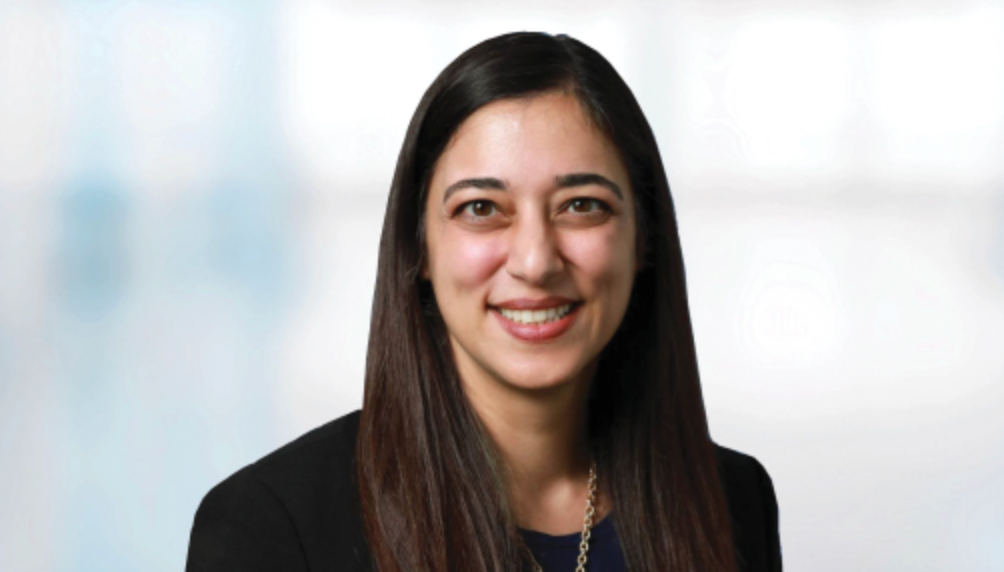






























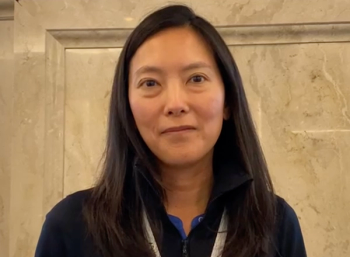
The chief medical officer of Notable spoke with us about the company, and why hospitals and healthcare companies are going to have to move some tasks away from people.
The chief medical officer of Notable spoke with us about the company, and why hospitals and healthcare companies are going to have to move some tasks away from people.

Ian Manners, chief strategy officer of TailorMed, talked with us about the company’s work with health systems and lessons for hospitals in helping patients manage big medical bills.
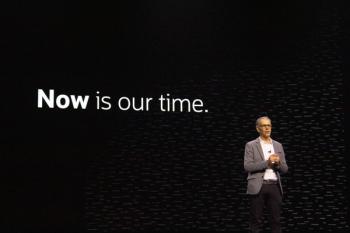
At a health conference, executives unveiled new solutions and sent a message that healthcare is the company’s focus.
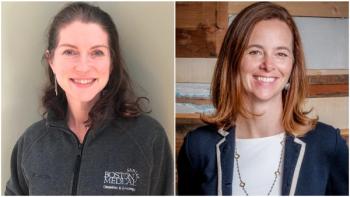
The medical center teamed with Rimidi, an Atlanta firm, to track postpartum patients and identify those at higher risk for stroke or other complications.
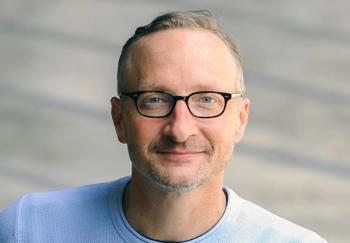
The company’s technology helps patients navigate sprawling hospitals, along with scheduling and billing. CEO Joshua Titus says Gozio’s platform helps hospitals see higher patient engagement.
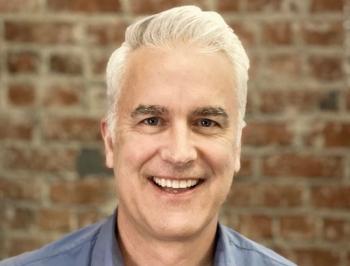
The company employs chatbots with natural language to connect with patients on mobile phones. CEO Greg Johnsen touts the ease of the technology for consumers.

Sossong, who leads the company’s behavioral health efforts, spoke with us about the stress of the pandemic, expanding services to rural areas and integrating mental health with primary care.
Physicians use the software the way consumers use voice assistants in their homes. The California-based startup is banking on its AI-powered software to appeal to doctors and health systems battling burnout.

They will allow you to see if your current digital health ecosystem is up to the challenge of building next-generation relationships with your patients.

America’s largest electronic health record company will be a part of the Trusted Exchange Framework and Common Agreement. Epic’s Matt Doyle says the company will encourage its thousands of partners to follow suit.
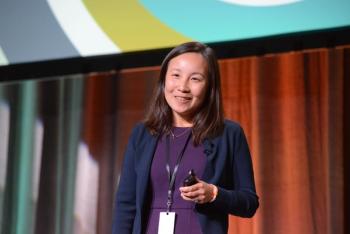
In an interview with Chief Healthcare Executive, Hu discusses the challenges for hospitals and post-acute providers, the potential of data and how health systems need to collaborate.

The Kentucky-based system is partnering with Biofourmis, a digital health company, to serve patients and participate in a study of acute care at home in rural areas.
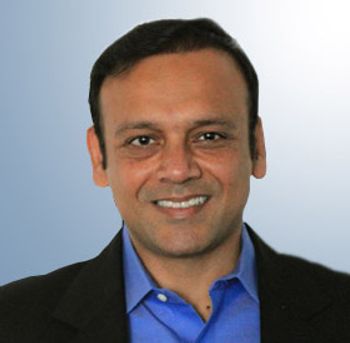
The California company, which provides software to hospitals to improve scheduling procedures, said the deal will allow LeanTaas “to accelerate its rapid growth.”

Healthcare providers should look at it as a way to save money and reduce their environmental impact, says Daniel Vukelich, president of the Association of Medical Device Reprocessors.

The digital health company offers culturally intentional care. Kevin Dedner, founder and CEO, says it’s needed because the mental healthcare system wasn’t designed for everyone.
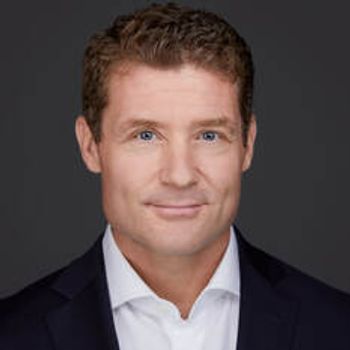
In an interview with Chief Healthcare Executive, CEO Thom Herrmann talks about the company and his ambition to take the hybrid concept nationwide.

Outsourced partnerships can stabilize and improve operations, leading to a greater likelihood of achieving objectives due to their focus on driving better outcomes.

Third-party patient financing has a vital role to play in providing patients with more options, and in ensuring that cash-strapped hospitals recoup revenue.
People want more convenience, and healthcare organizations have to respond if they want to avoid losing patients.
The Cleveland Clinic and Amwell have teamed up to offer patients, employers and health plans the chance to check a diagnosis remotely. Frank McGillin, CEO, says there’s a clear need and a substantial market.

Reducing patient leakage is a top concern for healthcare leaders. Angie Franks, CEO of ABOUT Healthcare, talks about what hospitals should be doing.
Most healthcare executives say they’re worried inaccurate patient data is hurting outcomes and costing them money. The CEO of Verato says it’s something leaders must address.

The New York technology company’s software allows people to fill out paperwork and pay before appointments. Yosi Health offers convenience for providers and patients, CEO Hari Prasad says.
The tech start-up has developed machine learning algorithms to identify sepsis and other health issues. CEO Andrew Pucher is excited for the future but knows it’s a long road.

Many are facing staffing shortages and greater competition for workers. Senior care organizations must adapt to retain their best employees.