



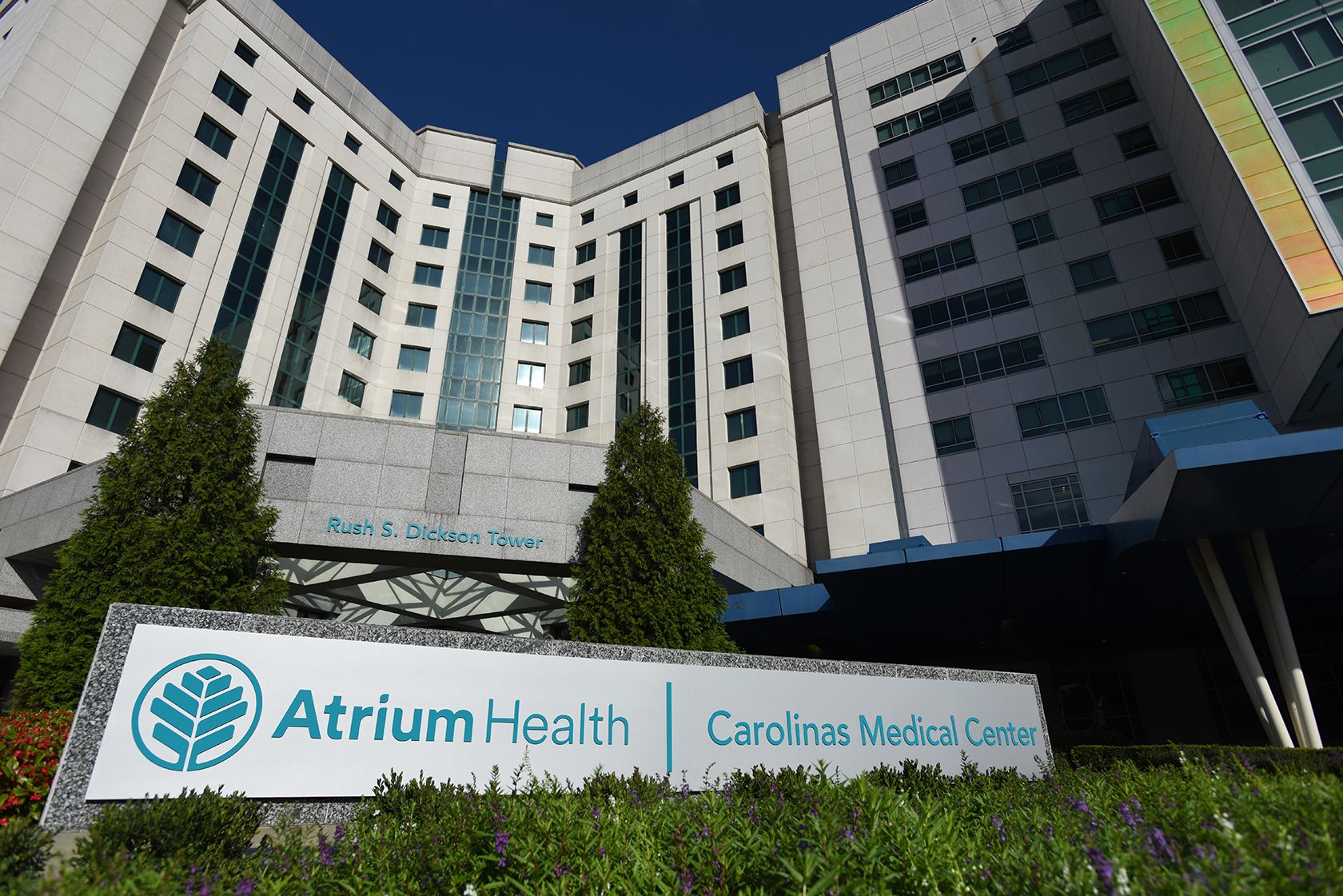





























Assuming the deal is approved by regulators, the new organization will operate 67 hospitals in six states. The new system would be known as Advocate Health.
Assuming the deal is approved by regulators, the new organization will operate 67 hospitals in six states. The new system would be known as Advocate Health.

Borrowing costs are rising after the Federal Reserve raised its benchmark rate for the second time in two months. Hospitals are facing financial headwinds on a number of fronts.

Analysts talked with Chief Healthcare Executive about the areas of high interest to investors.

Ash Shehata of KPMG talked to Chief Healthcare Executive about why he expects to see more deals in the health sector in the months ahead.

The U.S. Department of Health and Human Services issued a report examining changes in ownership. HHS also unveiled a new public database, touting it as a way to improve transparency and quality.

There were only 12 announced transactions in the first quarter, according to a report by Kaufman Hall. But some analysts expect more activity as the year progresses.

Tower Health closed two hospitals and another suitor dropped its bid to purchase the facilities in the Philadelphia suburbs. Local officials hope to find a new organization to reopen the hospitals.

The Delaware-based system announced its intent to buy Crozer last month. While ChristianaCare enjoys a strong reputation, the deal carries some risks.

The organization now operates 19 hospitals, more than any other system in Georgia.

The Federal Reserve has all but assured interest rates will rise. Healthcare leaders should be thinking now about upcoming projects and their financial plans.
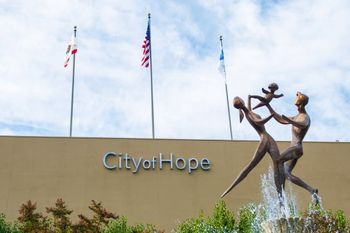
With the conclusion of the deal, City of Hope will convert the Cancer Treatment Centers into a non-profit organization.

It represents a 79% increase over the previous year, CB Insights reports. The COVID-19 pandemic is fueling the appetite for digital health technologies.

The company continues its strategy of expanding in fast-growing areas of the country.

Investors project more deals to be done due to the transformation of healthcare and a host of other factors.

Mergers and acquisitions fell to the lowest point in a decade. There should be more discussions in the months ahead.

Oracle bought Cerner in a $28 billion deal, giving the software giant a bigger presence in healthcare. It could inspire other tech companies to make moves.

Analysts say the deal could accelerate the move to the cloud. The companies say they will enable doctors to spend less time on records and more time with patients.

The $390 million deal is expected to close in early 2022. Cancer Treatment Centers will be converted to a non-profit organization.

Rural hospitals that merged reported reduced mortality and improved quality of care for six conditions.

The merge can make mental health treatment more accessible to patients.

AHA wants to meet with federal departments and agencies to discuss the benefits of healthcare mergers.

Hospitals with a higher share of Medicare patients performed worse financially and were more likely to face closure or acquisition.

A new CVS Health initiative uses a localized approach to increase mental health care accessibility and affordability, particularly for vulnerable populations like young adults and people of color.

The technology acquired could help ease the burden of physician burnout.