






































Leaders of Catholic health systems say cuts to Medicaid would leave many without coverage, and also deliver a blow to hospitals.
Leaders of Catholic health systems say cuts to Medicaid would leave many without coverage, and also deliver a blow to hospitals.
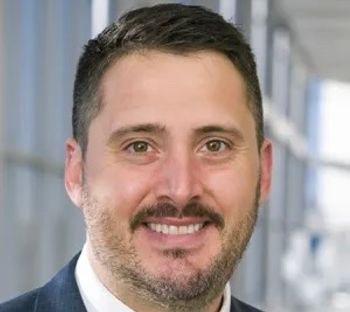
Bradley Goettl takes the key role for the American Nurses Enterprise, which represents more than 5 million nurses. Other leaders also have been tapped for new posts.

Better decisions await the organizations who have complete and accurate claims data. It’s difficult to close a care gap when you don’t know the gap exists in the first place.

Prospect Medical Holdings is shutting down Crozer Health, which includes the medical center and Taylor Hospital. Taylor shut down last week, and Crozer-Chester closed Friday.

The health secretary is moving forward with a new policy, but some say it could delay vaccine trials and hurt confidence in vaccines.

Health systems are doing better in protecting patients, and Leapfrog is offering new recognition for those performing well over time. But the group finds variance in performance and still sees room for hospitals to improve.
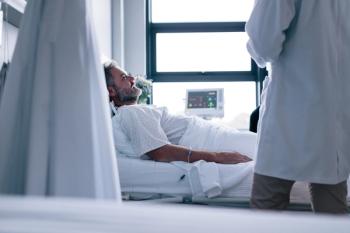
For health systems that are succeeding in safety, the C-suite drives the culture. And leaders empower all employees to raise concerns of patient safety.

The Leapfrog Group has released its Spring 2025 Safety Grades, and it spotlights a select group of hospitals earning the highest marks for over a decade.
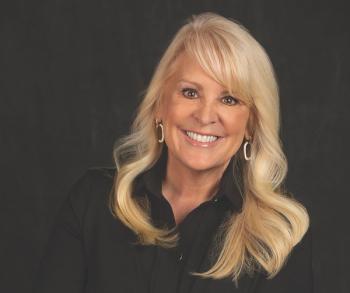
Brenda Snow, founder and CEO of Snow Companies, has written a new book about her patient journey. She offers advice for patients and their loved ones.

A new American Hospital Association report shows cost increases outpacing inflation, and growing burdens from Medicare Advantage plans. The report comes as Congress weighs cuts to Medicaid and other federal programs.

President Trump has issued an executive order calling for health systems to make it easier for consumers to compare prices. Some also want to address wide variances in prices.

The president has eliminated some health programs and laid off thousands. Advocacy groups are looking to preserve funding for Medicaid and the Affordable Care Act.
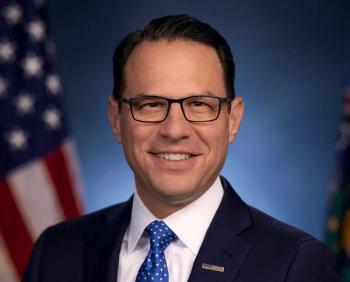
Prospect Medical Holdings is shutting down Crozer and its two hospitals in the Philadelphia area. Officials say they are seeking legislation to prevent it from happening again.
Even organizations with limited staff and resources can take steps to generate less waste and reduce their impact on the environment.

Lillian Montoya has been named the senior vice president for CHRISTUS Health’s New Mexico region, and other leaders take new roles.

Healthcare is complex and essential, yet unforeseen injury or illness can easily overwhelm a family both emotionally and financially.
The number of cases is far higher than last year and continues to climb, the CDC says. Officials say it's critical to get more people vaccinated.

The company reported solid earnings in the first quarter, but like many hospital systems, HCA is anxious to get a better sense of federal policies and their impact.

The Tennessee-based system has been acquiring more urgent care facilities, and is focusing on mid-size urban markets with room to grow.
A new study finds reduced levels of burnout since the arrival of COVID-19, but burnout continues to surpass pre-pandemic levels.

Baptist Memorial Health Care in Memphis and Arkansas Methodist Medical Center have signed a letter of intent for a merger. Baptist Memorial has acquired other hospitals in recent years.
Prospect Medical Holdings is shutting down Crozer Health and its two hospitals in the Philadelphia suburbs. Staff fear the impact on residents needing care.
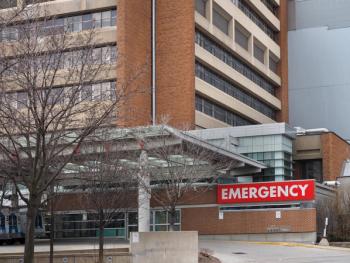
While hospitals have focused more on social factors affecting health, less than 1 in 3 emergency departments ask patients about those challenges. Researchers call it a ‘missed opportunity.’
Prospect Medical Holdings announced plans to close Crozer, which operates two hospitals in Delaware County. County officials worry about the loss of services and jobs.

Other providers in the Philadelphia suburbs are planning for an influx of patients seeking emergency care and looking to deliver their babies.